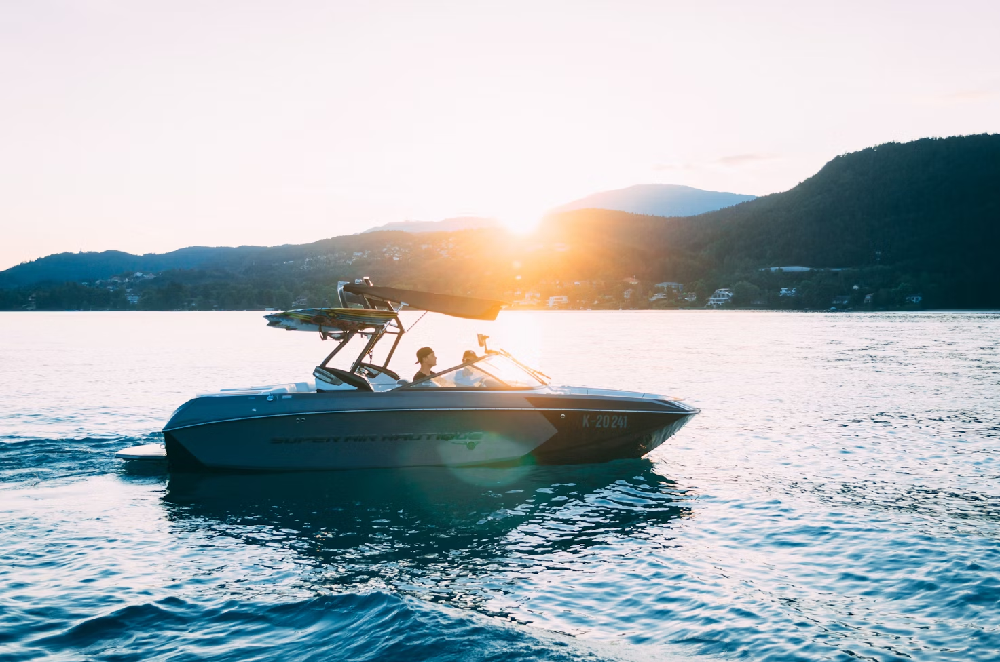
- Mud motors are a fascinating tool for navigating shallow waters, opening up vast regions that standard boat engines cannot reach. They are ideal for hunters, anglers, and outdoor enthusiasts who need to traverse soggy terrains. Assembling your own mud motor kit offers several advantages:
- Cost Savings: Building your own kit is generally cheaper than buying a pre-assembled one.
- Customization: Tailor the motor to fit specific needs and preferences.
- Skill Development: Enhance your mechanical skills and gain a deeper understanding of your equipment.
In this article, we’ll explore the world of mud motor kits, discuss different types, and provide insights on assembling them at home.
Understanding Mud Motor Kits
Mud motor kits are packages that contain all the parts needed to build a mud motor. These motors are designed to operate in shallow, murky waters where conventional motors might struggle. Here’s a basic rundown of the available types:
- Long Tail Mud Motor Kits: These feature a lengthy drive shaft that extends the propeller beyond the stern, perfect for maneuvering through thick vegetation and shallow water.
- Surface Drive Mud Motor Kits: These offer better speed and handling, ideal for areas that require quick navigation through open water or mild obstructions.
- Outboard Motor Kits: While not traditionally classed as mud motors, these kits provide a comparable solution for specific shallow water applications.
Each type has its own set of benefits and ideal conditions for use. You might also be interested in some of the best boat cleaning products.
As you consider assembling your own mud motor kit, keep these aspects in mind for a successful and enjoyable build.
Choosing the Right Kit for Your Needs
When diving into assembling your own mud motor kit, the first crucial step is selecting the right kit tailored to your needs. Here’s a simple guide to help you make an informed decision:
Factors to Consider:
- Boat Type: The size and type of your boat play a big role in determining the right mud motor kit. Small boats might benefit from a long tail mud motor kit, while larger vessels might require the power of an outboard motor kit or a surface drive mud motor kit.
- Water Conditions: Think about where you’ll be using your motor. For muddy or densely vegetated waters, a long tail mud motor is ideal because of its ability to handle tough terrains.
- Skill Level: Assess your technical skill. If you’re new to DIY projects, you might opt for a kit known for ease of assembly, such as the beaver dam mud motor kit.
Resources for Research:
- Read reviews and expert opinions to guide your decision, such as those available on Practical Boat Owner.
- Visit forums or engage with communities that focus on DIY mud motors for real user experiences.
Considering these factors ensures you choose a kit that not only meets your needs but also enhances your boating experience.
Essential Tools and Materials for Assembly
Before you start assembling, having the right tools and materials is essential. This prep work saves time and makes the assembly process smoother.
Key Tools:
- Wrenches and Sockets: A full set of wrenches and sockets will accommodate various bolt and nut sizes.
- Screwdrivers: Both Phillips and flathead types are necessary for different fasteners.
- Torque Wrench: Ensures bolts are tightened to the manufacturer’s specifications, preventing over- or under-tightening.
- Allen Keys: Useful for specific fittings that require hexagonal screwdrivers.
- Power Drill: Eases the process by speeding up bolts and nuts installation.
Essential Materials:
- Lubricants and Grease: Helps reduce friction and wear on moving parts, essential in mud motor environments.
- Sealants: Prevents water from entering unwanted areas, crucial in all watercraft assemblies.
- Protective Gear: Safety glasses and gloves to protect against debris and sharp surfaces.
Further Resources:
- For comprehensive guides on necessary tools, explore resources like DIY Network.
- Consider watching instructional videos for visual guidance on specific assemblies or tricky parts.
Remember, preparation is key. Ensuring you have all tools and materials at your disposal not only speeds up the process but also enhances the quality of your assembly, giving you a reliable mud motor ready for adventure.
Step-by-Step Assembly Guide
Assembling a mud motor kit can feel like a daunting task, but with the right guidance, it becomes a manageable and rewarding project. Here’s a comprehensive, step-by-step guide to help you through the process.
Step-by-Step Assembly Instructions
- Prepare the Engine:
- Unbox and inspect the engine for any damages.
- Attach the mounting bracket to the engine using appropriate bolts.
- Install the Shaft Kit:
- Connect the mud motor shaft kit to the engine output. Make sure the alignment is perfect to avoid any operational issues.
- Secure the shaft with set screws, ensuring tight and firm placement.
- Attach the Propeller:
- Slide the propeller onto the shaft and secure it with a cotter pin.
- Ensure the propeller is balanced properly to prevent vibrations during operation.
- Mount the Assembly on Your Boat:
- Using the mounting bracket, attach the assembled unit to the boat’s transom.
- Adjust the tilt and angle of the mud motor for optimal performance in the water.
- Check All Connections:
- Make sure all bolts and nuts are tightened securely.
- Lubricate moving parts as necessary.
- Test the Motor:
- Start the engine and test the mud motor in a controlled environment.
- Inspect for any unusual noises or vibrations, adjusting as necessary for optimal performance.
You can also check out this YouTube video for detailed guidance.
Maintenance and Troubleshooting Tips
Regular maintenance of your mud motor is key to ensuring its longevity and optimal performance. Here’s how you can keep it in top shape and troubleshoot common issues.
Routine Maintenance Tips
- Regular Inspection: Frequently check for wear and tear, specifically on the propeller and shaft.
- Change the Oil: Replace engine oil as per the manufacturer’s recommendations to keep the engine running efficiently.
- Keep It Clean: After each use, clean the motor to remove mud and debris, which can cause damage if left unchecked.
Common Troubleshooting Issues
- Overheating:
- Ensure proper ventilation around the engine.
- Check the oil level and top up if needed.
- Vibration:
- Inspect the propeller for balance and alignment.
- Tighten loose components to reduce rattling.
- Power Loss:
- Examine the fuel lines for clogs.
- Clean or replace spark plugs if necessary.
Ensuring your mud motor kit is maintained properly not only prolongs its life but also enhances its efficiency on water. Remember, a well-maintained motor is a reliable motor!
Legal and Safety Considerations
When using mud motor kits, understanding the legal and safety requirements is crucial for an enjoyable and responsible experience. Here are the key points to consider:
- Regulations and Laws: Always check local boating regulations that might affect your use of a mud motor. Regulations can vary by state or region, and it’s important to comply to avoid fines or penalties. For detailed information, you can refer to resources like the U.S. Coast Guard Boating Safety.
- Safety Gear: Investing in appropriate safety gear is essential. This includes life jackets, emergency signaling devices, and fire extinguishers. Ensure that all gear is appropriately sized and functional.
- Operator Qualifications: Some areas might require you to have a boating safety course or license. Check your local requirements to ensure compliance.
- Environmental Considerations: Be mindful of local environmental laws, which might restrict motorized boats in certain areas to protect wildlife or sensitive habitats.
- Maintenance Checks: Regular maintenance checks before setting out can prevent mishaps on the water. Make a habit of checking oil levels, fuel lines, and throttle controls each time you use your mud motor.
By adhering to these guidelines, you can enjoy your mud motor kit responsibly and safely.
Summary and Getting Your Hands on a Kit
To recap, assembling your mud motor kit offers several benefits including cost savings and the chance to customize your motor according to your boating needs. Here’s what you should keep in mind:
- Consider the type of water conditions and your skill level when choosing between a long tail mud motor kit, surface drive mud motor kit, or outboard motor kit.
- Make sure you have all the necessary tools and follow step-by-step guides closely to ensure a smooth assembly.
- Regular maintenance and understanding legal requirements are key to a successful and safe boating experience.