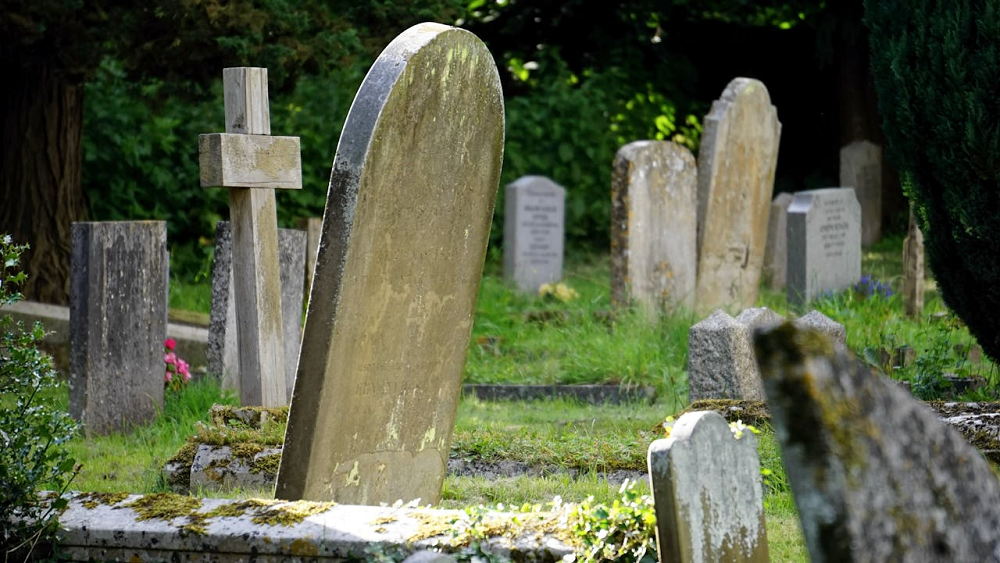
Every detail surrounding remembrance has meaning. A little stone, carefully and precisely carved, can retain the memory of a whole life in its design. It’s not enough to just follow tradition when you want to memorialize someone who has passed away. You need to be intentional, attentive, and aware of how long it will last. Choosing a headstone after cremation is one of the most important decisions you will make during this deeply personal time. It’s not just about marking a spot; it’s about making a space that conveys a story with clarity, dignity, and elegance.
Understanding Material and Durability for Long-Term Significance
The material you choose for a monument that is meant to last for generations is quite important. Different stones hold up to weather, erosion, and time in different ways. For example, granite is a great choice for long-lasting since it doesn’t break, crack, or fade, even in harsh conditions. The marble looks great, but it wears down more quickly, which makes carvings less clear over time. Bronze is another alternative, especially for plaques or installations that are put together. It acquires a natural patina that makes it seem better without making the writing harder to read. This durability is what makes the headstone important for keeping memories alive. What you put on it now needs to be clear and firm, even as years go by and visitors come and go.
Tailoring the Design to Reflect Personality and Legacy
Everyone leaves behind memories, values, and effects that are different. A meaningful headstone reflects these characteristics through thoughtful design. The font, engravings, and arrangement should all fit the person’s personality, not just what looks good. Some people choose symbols that represent their values, profession, or passion, while others like elegant simplicity or a gentle script to convey a quiet strength. The shape of the monument is very essential here. Headstones that stand up, markers that lean, or flat tablets all seem different. The tone of the memory you’re making should be reflected in your choice. Cremation headstones provide flexibility in this regard, allowing for designs that incorporate urn space, sculpture, or custom etchings to personalize the site further while maintaining structural integrity.
Balancing Cemetery Regulations with Personal Expression
You need to follow the cemetery’s standards while making a memorial, but it should also be a good representation of the person it honors. There are rules on size, material, workmanship, and even inscriptions at each place. These rules are intended to maintain a consistent appearance and support ongoing maintenance, but they can limit options if not reviewed early in the process. Some cemeteries don’t allow specific shapes or integrated urns, while others have spacing rules that influence family or multi-urn arrangements. Before making cremation headstone design choices, it’s a good idea to read these rules to avoid expensive changes later. It’s still feasible to make something really personal within these constraints, though, by focusing on deliberate customization, such as a unique epitaph or beautiful artwork that says a lot without violating site standards.
Considering Placement and Environmental Context for Maximum Impact
A headstone is not a stand-alone object; it is part of a larger landscape. How it interacts with the world around it affects how easy it is to see and how it makes you feel. In the shade, softer stone tones make the writing show out more, especially in low light. Darker stones make a stunning silhouette and look great in photos when visitors come to open plots that get direct sunlight all day. You should also think about the slope of the ground, the trees around it, and the monuments adjacent to it before making your choice. Putting a well-made headstone in a place that doesn’t fit or is blocked makes it less noticeable. A spot where people may sit and think or that has a beautiful view makes the experience better for those who come to remember. It gives the design a deeper meaning than merely stone; it becomes a place of connection.
Choosing a Vendor That Combines Craftsmanship With Compassion
It takes more than technical expertise to create a lasting tribute. You also need to collaborate with someone who understands the emotional importance of the work. A trustworthy vendor will be clear about deadlines, show you examples of their past work, and help you with both design and cemetery standards. Look for those who care more about quality than speed, are open about their prices, and are willing to guide without pushing for upsells. Strong suppliers will also explain all of the services they offer, from engraving and polishing to delivery and placement. People who specialize in cremation headstones typically know how to make unique niches, integrated urns, or companion settings.
Conclusion
A good headstone has more than just a name and date; it has a message for future generations about a life that was lived and remembered. When you honor someone’s memory, you shape the environment in which stories are told, tears are shed, and legacies are quietly preserved. Taking the time to choose properly makes sure that what stands is more than simply stone; it’s a memorial that carries the weight of love, history, and identity across time.