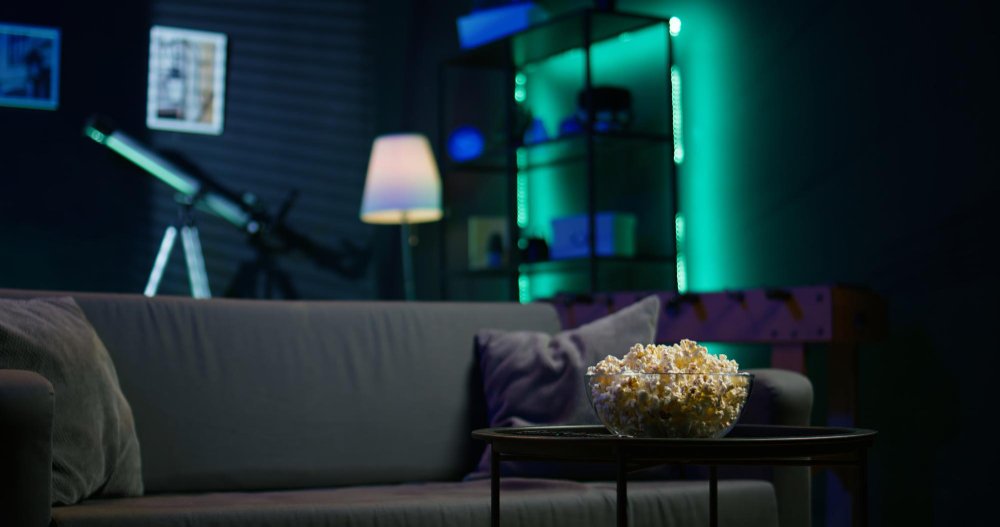
LED strip lighting has revolutionized the way we light up our homes and workplaces. Known for its flexibility, energy efficiency, and aesthetic appeal, LED strip lighting is a fantastic choice for anyone looking to enhance the atmosphere of their space. In this guide, we will explore the benefits, uses, installation tips, and best practices for integrating LED strip lighting into your environment, all tailored to meet the needs of a New Zealand audience.
What is LED Strip Lighting?
LED strip lighting, sometimes referred to as LED tape, is a flexible circuit board populated with LEDs (Light Emitting Diodes). These strips come with an adhesive backing, making them easy to install on various surfaces, including walls, ceilings, and under cabinets. Due to their versatility, LED strips are a popular lighting solution for both residential and commercial applications.
Key Benefits of LED Strip Lighting
1. Energy Efficiency
One of the main reasons LED strip lights have gained popularity is their energy efficiency. Unlike traditional incandescent bulbs, LED strips consume far less energy, making them a cost-effective lighting solution in the long run. They provide the same amount of brightness while using a fraction of the energy.
2. Customization and Flexibility
LED strip lighting offers unparalleled flexibility in terms of both installation and customization. Available in various colors, lengths, and brightness levels, LED strips can be tailored to suit any design or functional need. Whether you’re looking for subtle ambient lighting or vibrant accent illumination, LED strips have got you covered.
3. Durability and Longevity
LED strips are known for their impressive lifespan, often lasting tens of thousands of hours. This makes them a great investment for spaces that require long-lasting illumination. Additionally, they are resistant to shock and vibrations, ensuring reliable performance in various environments.
How to Use LED Strip Lighting in Your Home
LED strip lighting is versatile enough to be used in virtually every room of your home. Here are a few ideas on how to incorporate these lights into your living space:
1. Under-Cabinet Lighting
LED strips are perfect for illuminating the dark corners under kitchen cabinets. This not only provides functional lighting for food preparation but also adds a modern touch to your kitchen.
2. Accent Lighting for Walls and Ceilings
Transform your living room or bedroom by placing LED strips around the perimeter of the ceiling or behind furniture to create an ambient lighting effect. This soft, indirect lighting adds warmth and depth to your space.
3. Bathroom Mirrors
Adding LED strips around bathroom mirrors enhances visibility while also offering a touch of luxury. Whether you’re doing your makeup or shaving, the right lighting can make a world of difference.
4. Outdoor Spaces
LED strips are also suitable for outdoor use, such as along pathways or around deck railings. These lights are weather-resistant, ensuring that they will perform well even in New Zealand’s varying climate conditions.
How to Install LED Strip Lighting
Installing LED strip lighting is relatively simple, and you don’t need to be an expert to get it right. Here’s a basic guide to help you install your LED strips with ease:
1. Choose the Right LED Strips
Before installation, ensure you choose LED strips that are appropriate for your intended use. For example, if you’re installing them in a kitchen or bathroom, select strips that are water-resistant. Consider factors like the length of the strip, color temperature (warm, neutral, or cool), and brightness level.
2. Clean the Surface
For optimal adhesion, clean the surface where you’ll be applying the LED strips. Use a lint-free cloth and mild cleaning solution to remove any dirt or grease. This ensures the adhesive backing sticks properly and stays in place over time.
3. Cut and Place the Strips
Many LED strips come with cut marks, allowing you to trim them to the exact length you need. After cutting, peel off the adhesive backing and apply the strip to the desired surface. Be sure to follow any instructions provided by the manufacturer regarding installation.
4. Connect the Power Source
LED strips typically require a power supply, which can either be plugged into a standard outlet or wired directly into your home’s electrical system. Ensure that the power supply matches the voltage and wattage requirements of the LED strips.
5. Test the Lights
Before finalizing the installation, test your lights to make sure everything is working correctly. Check the brightness levels and ensure the strips are securely attached.
Best Practices for Maintaining LED Strip Lighting
While LED strip lights are incredibly durable, proper maintenance can help extend their lifespan even further. Here are some maintenance tips to ensure your LED strips continue to shine bright:
1. Keep the Strips Clean
Dust and dirt can accumulate on your LED strips, potentially affecting their brightness and performance. Periodically clean the strips with a soft cloth to remove debris. Be gentle to avoid damaging the LEDs.
2. Avoid Overloading the Strips
If you are using multiple LED strips connected together, make sure you don’t overload the system. Each strip has a specific power requirement, and exceeding this limit can result in damage to the lights or power supply.
3. Use Dimmers for Flexibility
Consider installing a dimmer switch for greater control over the lighting levels. This is particularly useful if you want to change the mood or functionality of the space at different times of the day.
Conclusion
LED strip lighting is a powerful tool for transforming any space in your home or workplace. Whether you’re looking to create a cozy ambiance or add a touch of modernity to your decor, LED strips provide an energy-efficient and stylish solution. With proper installation and care, your LED lighting can provide years of enjoyment.