Recruitment Process Outsourcing: A Quick Overview
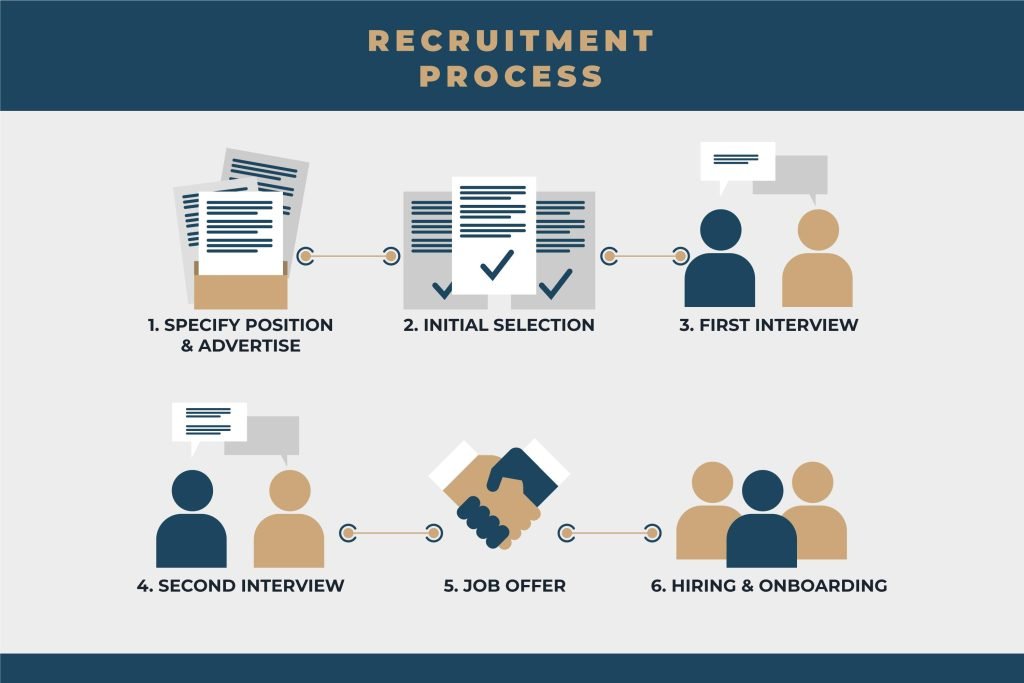
As the talent market grows more competitive, Recruitment Process Outsourcing (RPO) has become vital for growing organizations eager to find, attract, and secure exceptional talent. RPO specializes in optimizing every layer of recruitment, spanning strategy development, talent sourcing, screening, interviewing, onboarding, and employer branding. By engaging companies like TekStream Solutions, organizations gain access to advanced technologies and recruitment experts with industry-specific insights. This partnership leads to faster, more effective hiring, relieving the internal human resources team of administrative burdens and allowing them to focus more on employee engagement and retention initiatives.
Unlike standard outsourcing, modern RPO relationships are built on collaboration and integration. Rather than working separately, RPO professionals are an extension of the existing HR department. This allows for alignment with corporate culture, employer brand, and long-term business ambitions. With an RPO partner, companies can quickly pivot hiring strategies in response to changes in the market, making talent acquisition more agile and resilient.
Shifts in the Modern Workforce
The composition of the workforce is evolving at a pace never seen before. The way professionals engage with employers has fundamentally changed thanks to remote work trends. As a result of economic uncertainty and shifting generational values, the way professionals engage with employers has changed. According to SHRM, studies show that remote and hybrid roles are now typical. Flexible work arrangements are often the deciding factor for job seekers. Younger professionals, especially Millennials and Gen Z, seek work that aligns with their values and offers competitive pay, continuous learning opportunities, and well-being support.
- Remote and hybrid jobs continue to increase, blurring traditional boundaries for talent acquisition.
- Short-term contract work and the gig economy thrive, meeting professionals’ desires for autonomy and variety.
- Corporate values and transparency around diversity or sustainability increasingly affect candidates’ employment decisions.
These shifts challenge organizations to rethink talent attraction and retention. RPO firms are well-equipped to guide businesses through these changes, offering data-backed insights and market knowledge that help reframe recruitment messaging, benefits, and sourcing channels for emerging workforce preferences.
Technology’s Role in Streamlining Recruitment
Technology is rapidly transforming recruitment from an administrative process into a strategic function. Artificial intelligence, automated outreach, and cloud software have become standard features of successful hiring teams. A Forbes article on artificial intelligence in hiring found that 67% of recruiters use at least one AI-enabled tool for sourcing, screening, and communicating with talent. For organizations, this means processes are faster, more accurate, and more personalized than ever.
- Chatbots now handle candidate FAQs, initial screenings, and interview scheduling with 24/7 speed and consistency.
- AI algorithms scan resumes, match applicants to roles, and spot hidden gems in the talent pool that may not fit traditional job profiles.
- Cloud-based platforms allow HR teams and RPO partners to collaborate in real-time across global locations, supporting flexible work environments.
Leveraging these advances, RPO specialists introduce the latest tools rapidly and cost-effectively, sparing businesses the pain of testing each solution in isolation. The upshot? Reduced time-to-hire, lower recruitment costs, and better candidate engagement—critical performance indicators for any hiring initiative.
Data-Driven Decision Making in Hiring
Today’s RPO partners ground their strategies in deep analytics, moving far beyond intuition or outdated assumptions about talent. Continuous collection and examination of recruitment metrics—like applicant conversion rates, time-to-fill, candidate source effectiveness, and diversity ratios—allow for course correction and strategic planning. Accessible dashboards and predictive modeling help forecast labor needs, spot skill shortages, or assess risk, all before they disrupt operations.
It’s not just about monitoring numbers but also about acting on findings. When hiring drops or spikes or specific groups remain underrepresented, RPO teams swiftly adjust campaigns, retool job descriptions, or target new recruitment channels. This reliance on verifiable data can be important in important sectors where optimal personnel levels directly translate to service quality and regulatory compliance. For example, data analytics can provide essential foresight for managing the highly cyclical and specialized demands of Healthcare Staffing, ensuring facilities maintain adequate levels of clinical and support staff to meet patient needs consistently. With evidence-based action, employers reduce risk, foster inclusion, and continually improve the quality of hire.
Diversity and Inclusion Initiatives in RPO
Forward-thinking organizations know that diverse teams drive innovation and growth. Current research shows that companies prioritizing diversity, equity, and inclusion (DEI) outperform less-inclusive peers regarding employee satisfaction and financial results. RPO providers are uniquely qualified to support this transformation, employing tools and best practices that minimize unconscious bias and broaden the range of qualified applicants.
- Anonymous resume reviews and structured interviews help ensure fair, standardized evaluation of all candidates.
- Metrics and reporting track diversity progress and highlight where outreach or process adjustments are needed.
- Continuous education and training for recruiters and hiring managers sharpen inclusivity across every touchpoint.
The future of talent acquisition lies in leveraging the full range of human potential. RPO partners help companies attract, develop, and retain talent that knows no boundaries, strengthening competitiveness in a changing global market.
Candidate Experience as a Competitive Advantage
As transparency increases and employer reputations are built online, the candidate’s journey has never been more critical. Extraordinary talent often disappears from the funnel due to lengthy or impersonal processes. By contrast, experiences marked by clear communication, timely responses, and personalized engagement generate loyalty, sometimes turning past applicants into future hires or brand advocates.
Leading RPO firms create people-first processes with frequent feedback, automated status updates, and streamlined onboarding. Candidate surveys and analytics help teams fine-tune their approach and address pain points. At the same time, mobile-friendly tools ensure every applicant receives a consistent, professional experience, regardless of where they are.
Flexibility and Scalability: Meeting Changing Business Needs
Businesses must adapt quickly to seize new opportunities or manage unexpected downturns. RPO’s modular, scalable approach uniquely suits this need for agility. Organizations can ramp recruiting up or down in days rather than months, relying on external experts who understand the intricacies of changing labor markets.
- Project-based and end-to-end options can support hiring for a single expansion, a seasonal push, or ongoing operations.
- On-demand recruiters can be hired for specialized roles or high-volume campaigns without long-term commitments.
- Real-time reporting keeps every leader informed, enabling fast shifts in resource allocation or hiring goals.
As the pace of change accelerates, this flexibility ensures talent strategies always align with business priorities—no matter what the future brings.