Have you ever bothered to ponder upon the time when water cleansed its way down into drainages? In simple language, cleaning involves gallons and gallons of water- right from mopping the floors to scrubbing dishes! Imagine the water we could save if only we paid attention to our use. The good news is that you do not need to compromise between your sparkling-clean home and saving water. What if you could do it all?
Water-efficient tools for cleaning, reusing water where appropriate, and eco-friendly cleaning methods can minimize wastage of water wastage to a large extent without compromising hygiene. Do you want to discover how this can be done? From cleaning a light dusting to deep scrubbing, we’ve got some great functional ideas suggested by Bond Cleaning Perth to help you clean smart while saving water. So, let’s get started on how to build an environmentally friendly cleaning routine!
1. Rational Watering of the Garden and Lawn
Watering is essential for keeping plants and gardens healthy and clean. However, watering from a hose non-stop wastes water. Allowing such wastage is not right, so homeowners and tenants must use rain barrels to collect rainwater for watering the gardens.
They must mulch the soil for better moisture conservation and reduced evaporation. Homeowners must select low water-use plants and plants that are drought-tolerant. They may also install drip irrigation for lawns for water conservation.
2. Hard Floors Outside the House Must Be Swept
To mop and splash water buckets over the driveway, paths in the garden, and back into the house is use of water. The common practice of cleaning pathways involves using a hosepipe for cleaning dirt, leaves and other debris off the surface of the pathway.
But this easy method wastes huge amounts of water in cleaning. This is why the best professionals, such as Bond Cleaning Sunshine Coast, rely on the traditional way of sweeping hard floors. They do the sweeping of patios, garages, and sidewalks to get rid of dirt and for its cleaning.
3. Switch to Water-Efficient Machines
Buying water-efficient appliances saves water, money, and time. Washing machines and dishwashers can be bought with star ratings like 5 or above. Such machines can conserve thousands of litres of water in a given year, compared to machines on 3-star ratings. Other than appliances, low-flow taps, toilets, and showers should also be installed in all households for savings in water.
4. Don’t Allow the Water to Keep Running While Cleaning
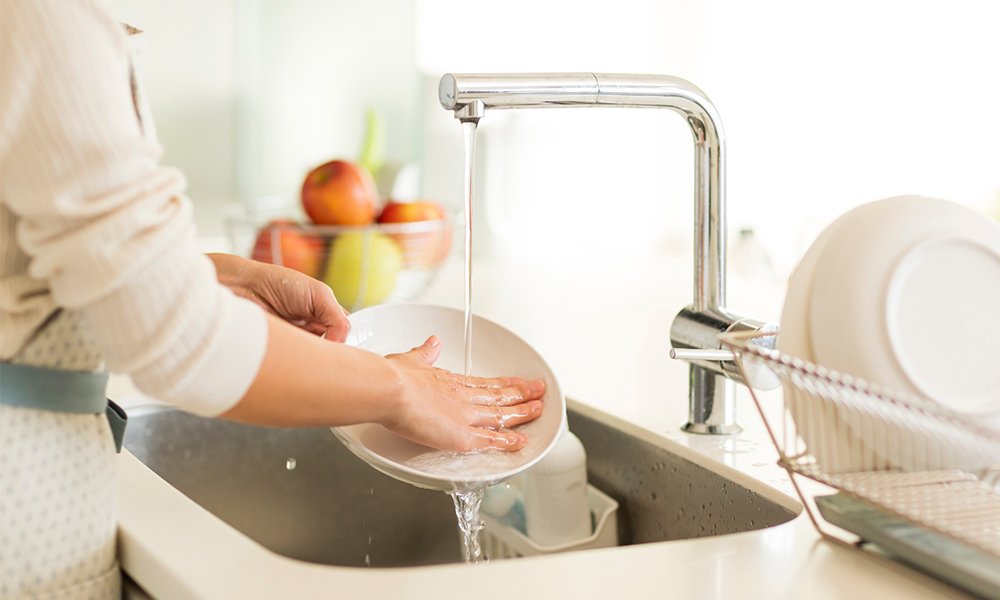
On any given day, Most of the population permits water to run continuously while manually doing the dishes, brushing teeth, washing faces, or shaving. Turning off running water is a must whenever not in use. The same applies while cleaning the house using the tap for rinsing the microfiber cloth, mop, or cleaning sponge.
Preferably, they would learn from the expert companies like Bond Cleaning Sunshine Coast that use green cleaning techniques instead. A bucket is full of water with a few drops of soap to rinse the cloth while cleaning.
5. Save Water During Car Washing
Too much water gets wasted during washing vehicles at home, which is completely needless. Water can be recycled, sequestering gray water for different other uses. Plants can be watered with gray water. Toilets can be flushed with gray water. Driveways can be cleaned with gray water. Very advanced filtration systems for gray water reclaim had better produce clean water for washing windows, laundry, bathrooms, and cars.
6. Fit A Cistern Displacement Device
Cistern water displacement devices for toilets are essential for lessening the amount of water used each time water is flushed. Since toilets need to be flushed so often to clean them, the use of cistern displacement devices can save another two litres per flush. With a cistern displacement device, the user can now adjust the amount of flush water used. Waterless toilets are alternatives that homeowners may consider, such as composting toilets that break down the waste in a manner that is compliant with laws put forth by the government. Furthermore, it is important to be alert to water leaks in the house and to have them remedied at once to save water.
7. Clean Toilets after Bathing
Most experts such as Bond Cleaning Perth, suggest cleaning bathrooms right after bathing to cut water use. Since tiles, mirrors, and floors remain wet after a shower, it is indeed the best time to take a squeegee and clean all surfaces.
Excess water and dirt off floors can be mopped out by using a Swiffer, and bathtubs can be cleaned immediately after bathing to remove soap scum and hard water stains. Surfaces must finally be dried with a spray bottle of natural homemade disinfectant to ensure the surfaces are free of all microbial dirt and hygienically clean for living.
Wrapping Up
Cleaning with concern for water conservation is, in essence, a benefit to Mother Nature, an economical factor for lowering utility bills, and a sustainability approach altogether. Intervention strategies such as using a spray bottle for cleaning instead of running water, reusing the rinse water, or using water-efficient appliances can greatly reduce waste without compromising cleanliness. Every drop counts!
Home is where sustainability begins; the cleaning operations are a great place to start. Curbing all excessive rinsing, cleaning with microfiber cloths, or simply optional ways of dry cleaning will ensure water-efficient cleaning. So, why not start today? The next time you are mopping or washing a dish, you should take a moment to think of the water that you are using-and saving while doing so. Small changes add up, and collectively, we can make a large difference!