Health is not just about living longer—it’s about living better. But in the race for results, the deeper essence of wellness often gets lost. Sustainable health isn’t built on extremes or quick fixes—it’s crafted over time, with awareness, discipline, and self-respect. It is a quiet commitment to yourself, not just for now, but for the years to come. It means creating a life where your habits, thoughts, and choices serve not just your survival—but your vitality.
Building Foundations Instead of Chasing Outcomes
The problem with modern health culture is that it celebrates the end result without honoring the process. Sustainable health flips the script. It’s not about sudden weight loss, perfect diets, or rigid regimes—it’s about creating foundations that are strong enough to carry you through changing seasons. When you prioritize sleep, hydration, movement, and balance every day, you build a system that doesn’t collapse under pressure—it adapts and endures.
Mindful Eating for Body and Earth
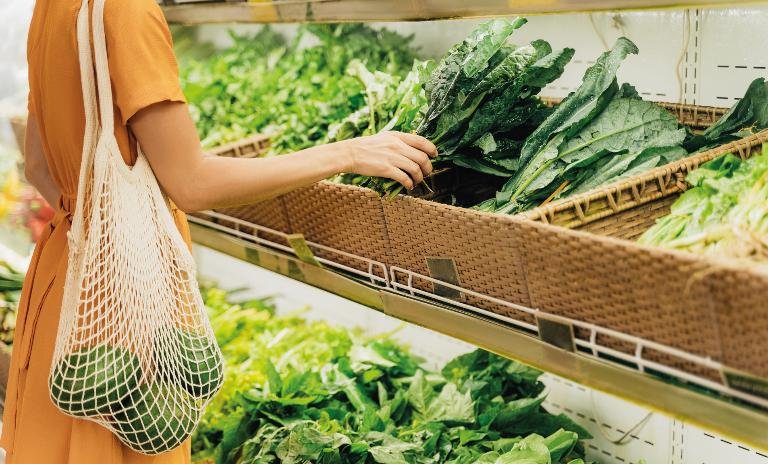
Food is a sacred exchange—it sustains your body and reflects your connection to the planet. Sustainable health calls for mindful eating: being present with your meals, choosing foods that are whole, seasonal, and close to the Earth, and avoiding excess and waste. It’s not about being perfect. It’s about learning to ask, “Does this nourish me? Does this honor the source it came from?” That question alone transforms health into a conscious practice.
Stress Management as a Health Essential
Chronic stress is one of the most overlooked threats to long-term health. It wears down the immune system, disturbs sleep, and clouds mental clarity. Sustainable health requires making space for recovery—daily moments of pause, breath, and grounding. Whether it’s deep breathing, walking in silence, or journaling your thoughts, managing stress is not a luxury—it’s a responsibility you owe your body and mind.
Movement That Evolves With You
As we move through life, our bodies change—and so should the way we move. Sustainable health celebrates movement as something fluid, not fixed. It might be strength training in your thirties, yoga in your forties, and long, reflective walks in your fifties and beyond. What matters is not intensity, but continuity. You don’t need to move hard—you need to move regularly, with joy and respect.
The Role of Rest and Recovery
In a culture obsessed with productivity, rest is seen as weakness. But in sustainable health, rest is medicine. Sleep restores your systems, protects your heart, heals your brain, and keeps your hormones balanced. True wellness isn’t found in how much you can do—it’s found in how deeply you can recover. When you give your body the space to repair, it gives you energy that feels clean, calm, and clear.
A Lifestyle That Reflects Your Deeper Values
Health doesn’t happen in isolation—it’s affected by your habits, your relationships, and the choices you make for the world around you. Sustainable health includes aligning your lifestyle with your values. This may mean choosing non-toxic products, reducing consumption, supporting clean food systems, or surrounding yourself with uplifting environments. When your inner life matches your outer actions, health becomes something you live—not something you chase.
Conclusion
Sustainable health isn’t a phase—it’s a quiet revolution in how you live. It’s the strength to go slow, the wisdom to choose what matters, and the grace to care for yourself as something sacred. It grows over time, with patience and presence, and becomes a form of freedom—freedom from extremes, from burnout, and from disconnection. This is not health that fades after the program ends. This is health that stays. This is health that sustains.