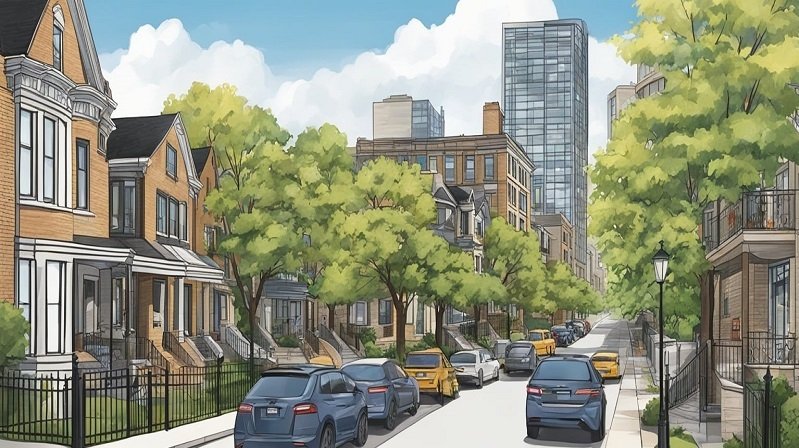
Navigating the home buying process can be overwhelming, especially in competitive markets like Chicago and Park Ridge, IL. Experienced real estate agents from these areas have accumulated valuable insights to help prospective buyers make informed decisions and secure their dream homes.
Working with knowledgeable local real estate agents provides buyers with access to critical market information and negotiation expertise that can save thousands of dollars and prevent costly mistakes. These professionals understand neighborhood trends, property valuations, and have connections to other industry experts that prove invaluable during the home buying journey.
Chicago and Park Ridge real estate agents emphasize the importance of getting pre-approved before house hunting, conducting thorough inspections, and understanding the total cost of ownership beyond the purchase price. They recommend buyers clarify their non-negotiable features versus wish-list items to streamline the search process and make decisive offers when the right property becomes available.
Understanding the Chicago and Park Ridge Real Estate Markets
The Illinois real estate landscape presents distinct opportunities in both urban Chicago and suburban Park Ridge markets. These neighboring yet different environments offer varying home values, property types, and investment potential based on location-specific factors and current market conditions.
Evaluating the Illinois Real Estate Landscape
Illinois real estate continues to show resilience despite economic fluctuations. The state maintains a diverse housing market with significant regional variations in affordability and property values.
Chicago represents the urban core with its mix of luxury high-rises, historic brownstones, and neighborhood-specific housing stock. The city’s real estate remains competitive with varying price points across its 77 neighborhoods.
Park Ridge exemplifies the premium suburban market within the Illinois landscape. Located just 15 miles northwest of downtown Chicago, Park Ridge offers a small-town atmosphere with convenient access to urban amenities.
The Illinois market’s strength lies in its diversity, with options for first-time buyers, luxury seekers, and investors alike. Property taxes remain a significant consideration, with Illinois maintaining some of the highest rates nationwide.
Comparing City and Suburb: Chicago vs. Park Ridge
Chicago offers incredible diversity in housing options, from luxury downtown condos to single-family homes in residential neighborhoods. The median home price in Chicago currently stands at approximately $325,000, though this varies dramatically by neighborhood.
Park Ridge presents a more uniform housing stock dominated by single-family homes on larger lots. The median home price in Park Ridge is approximately $485,000, reflecting its status as a premium suburb.
Density represents a key difference, with Chicago offering urban living and Park Ridge providing more space between properties. Chicago residents typically get less square footage for their money but gain walkability and proximity to amenities.
Property taxes in Park Ridge average about 2.2% of home value compared to Chicago’s 1.8%, an important consideration for buyers comparing locations. Schools often drive suburban demand, with Park Ridge’s districts consistently ranking higher than many Chicago public schools.
Analyzing Home Values and the Current Market Trends
Chicago’s market currently shows neighborhood-specific trends, with some areas experiencing appreciation rates of 7-9% while others remain stable. Condos in desirable areas like River North and Lincoln Park maintain strong demand despite increased inventory.
Area | Median Price | YOY Change | Avg. Days on Market |
Chicago | $325,000 | +5.2% | 43 |
Park Ridge | $485,000 | +6.8% | 29 |
Park Ridge properties tend to move faster, spending an average of 29 days on market compared to Chicago’s 43 days. This reflects the strong demand for suburban living post-pandemic.
Inventory levels remain tight in both markets, with approximately 2.3 months of supply in Chicago and just 1.8 months in Park Ridge. Experts consider a balanced market to have 4-6 months of inventory.
Interest rates have significant impact on both markets, with recent increases moderating but not halting price growth. Buyers in both locations face competitive conditions requiring preparation and quick decision-making.
The Home Buying Process in Chicago and Park Ridge
Purchasing a home in Chicago or Park Ridge involves several key steps that buyers should understand before beginning their journey in these distinctive Illinois real estate markets.
Finding the Right Real Estate Agent
Selecting an experienced real estate agent familiar with Chicago or Park Ridge is crucial for a successful home purchase. Agents with local expertise can provide valuable insights about market trends, pricing strategies, and neighborhood characteristics that aren’t readily available online.
Chicago buyers often benefit from agents who specialize in specific areas like Lincoln Park, Lakeview, or Logan Square. In Park Ridge, agents with knowledge of the distinct housing styles and community features prove invaluable.
Professional credentials matter when selecting representation. Buyers should look for agents with designations such as Accredited Buyer’s Representative (ABR) or Certified Residential Specialist (CRS) who demonstrate additional training.
Most effective agents maintain strong networks with other professionals including lenders, inspectors, and attorneys who can assist throughout the transaction process.
Getting to Know Neighborhoods and Communities
Chicago offers diverse neighborhoods with unique characteristics. North Side areas like Lincoln Park and Lakeview provide vibrant urban environments with abundant amenities. West Loop attracts residents with its restaurant scene and converted loft spaces. South Loop offers lakefront access and cultural attractions.
Park Ridge presents a suburban alternative with a small-town atmosphere despite its proximity to Chicago. The community features tree-lined streets, historic homes, and a charming downtown area centered around Uptown Park Ridge.
Safety statistics vary significantly between neighborhoods. Prospective buyers should research crime data through local police departments or online resources for areas they’re considering.
Commute times represent another crucial factor. Chicago buyers often prioritize proximity to public transportation, while Park Ridge residents typically rely more on automobile access to highways like I-90 and I-294.
Community engagement opportunities differ as well. Both locations offer various civic organizations, seasonal festivals, and volunteer opportunities that help establish connections within the area.
Exploring Schools, Parks, and Local Amenities
School quality significantly impacts home values in both locations. Chicago Public Schools operate on a tier-based system with selective enrollment options, while Park Ridge is served primarily by District 64 for elementary education and Maine Township High School District 207.
Park Ridge features exceptional recreational facilities including Centennial Park, Hinkley Park, and the Wilderness Park Nature Center. Chicago’s park system spans 8,800 acres with signature spaces like Lincoln Park, Millennium Park, and the 18-mile lakefront trail.
Dining options abound in both areas. Chicago’s renowned restaurant scene includes Michelin-starred establishments alongside diverse neighborhood eateries. Park Ridge offers charming local spots like Holt’s, Pennyville Station, and Shakou.
Entertainment choices vary based on location preferences. Chicago provides world-class museums, theaters, and professional sports teams. Park Ridge offers the historic Pickwick Theatre, summer concert series, and easy access to O’Hare International Airport.
Healthcare facilities represent another important consideration. Both locations provide access to top-rated medical centers including Northwestern Memorial Hospital and Advocate Lutheran General Hospital.
Navigating Open Houses and Private Showings
Open houses provide important opportunities to evaluate properties without pressure. Buyers should bring notebooks to record observations about floor plans, property condition, and neighborhood features during these visits.
Private showings allow for more thorough inspections and questions. Savvy buyers examine critical elements like electrical panels, water pressure, basement conditions, and foundation integrity during these appointments.
Efficient viewing strategies help prevent decision fatigue. Experienced agents recommend seeing no more than 5-7 properties in a single day to maintain clear judgment.
Seasonal considerations affect property perspectives. Viewing homes during different weather conditions helps buyers understand potential issues with drainage, natural lighting, and HVAC effectiveness.
Documentation of property features helps when comparing multiple options. Taking photos (with permission) and maintaining systematic notes about each property creates valuable reference materials for later decision-making.
Understanding Financing and Credit Considerations
Mortgage pre-approval represents a critical first step in the buying process. This assessment provides a clear budget framework and strengthens negotiating position with sellers in competitive markets.
Credit scores significantly impact loan terms. Buyers with scores above 740 typically secure the most favorable interest rates, while those with lower scores may face higher costs or limited options.
Down payment requirements vary by loan type. Conventional mortgages typically require 3-20% down, while FHA loans may accept as little as 3.5% for qualified buyers.
Property tax considerations differ substantially between locations. Chicago’s property tax rates average around 2.10% of assessed value, while Park Ridge properties face slightly higher rates averaging about 2.25%.
Closing costs add significant expenses beyond the down payment. Buyers should budget 2-5% of the purchase price for these fees, which include lender charges, title insurance, and government recording fees.