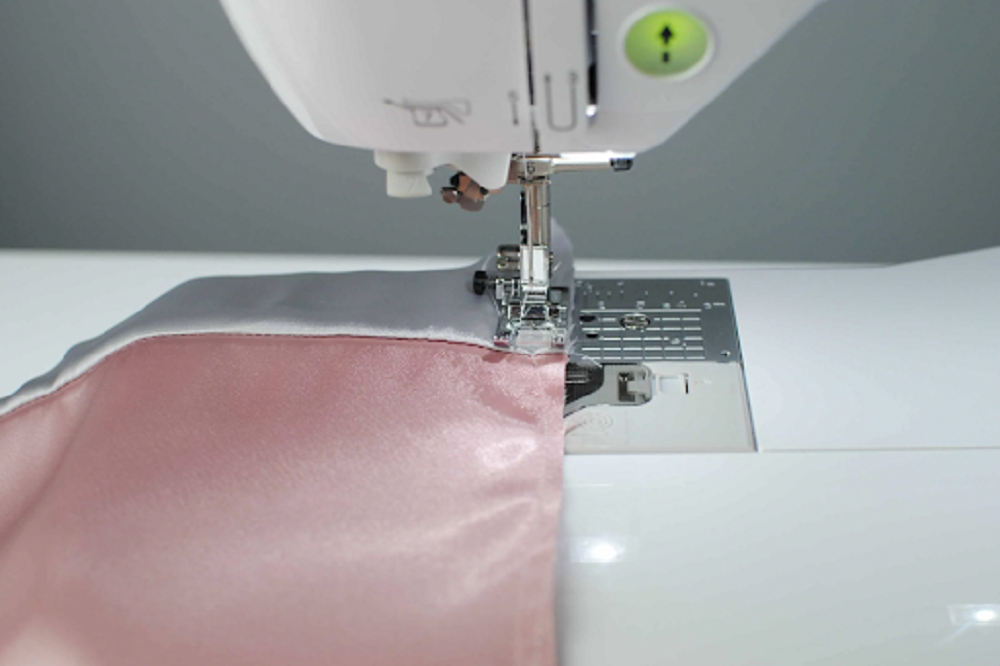
In the sewing world, one thing is true: material choice can have a significant impact on the look and feel of the finished piece. However, sometimes, we buy online fabric patterns we love only to find out later that they aren’t the right option for our sewing project.
The thing is, some fabrics are versatile enough to work for a variety of designs, but others can be quite tricky to sew with. When it comes to what fabrics are hard to work with, these often include very stretchy materials like spandex, lycra or knits and very slippery materials like suede, velvet and satin. This, however, doesn’t mean you have to avoid working with these fabrics altogether.
Sewing With Slippery Fabrics
As you gain experience with your sewing machine, you’ll be better able to deal with how these fabrics behave under the needle. Of course, a quality machine can make the sewing experience a lot less complicated, leading to stunning results. But there are also some tips that can make your sewing experience with these materials a more joyful one.
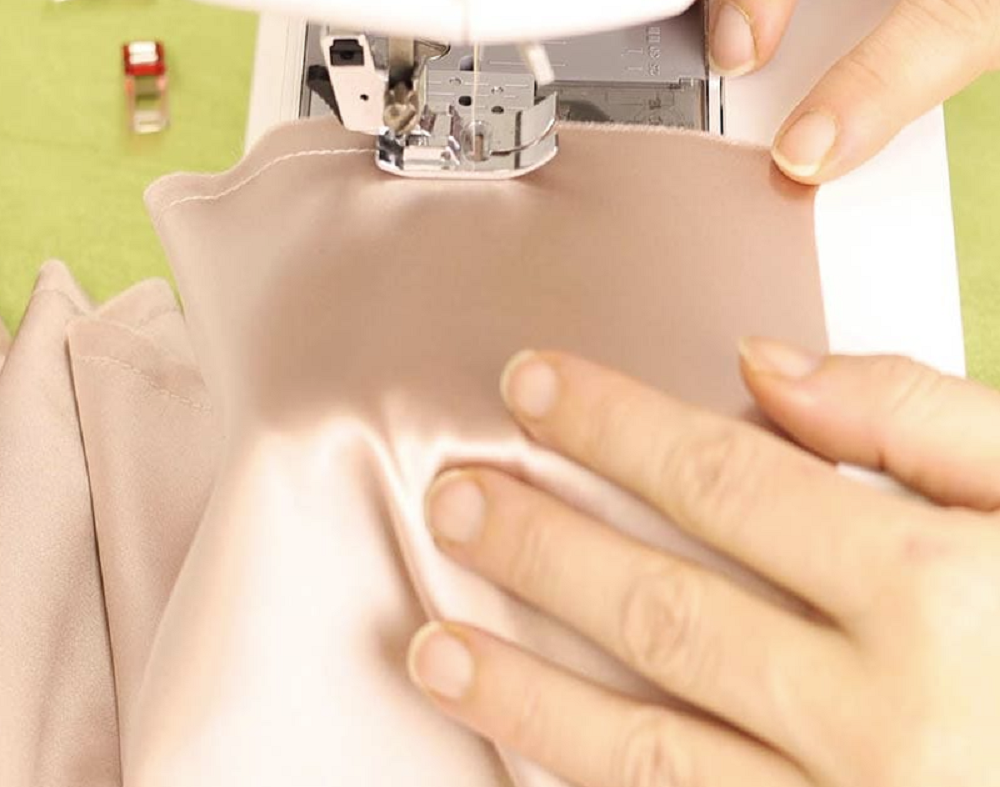
The first step to sewing with slippery fabrics, such as silk and chiffon, is to pre-wash them. When you buy online fabric, if you read the product’s description, you’ll find out that most of them can be machine-washed. Slippery fabrics are often gentle fabrics, so preferably, they need to be washed on a gentle cycle. Washing the material will remove the chemical finishes or coatings from manufacturing, allowing the fabric to drape more naturally. Pre-washing also helps tighten the weave of the material slightly, making it less prone to unravelling during cutting and sewing.
Once the material is dry, you’ll want to give it a little spritz with some spray starch to make it a little more stable and a little less drape. Then to cut the material, you’ll want to use a rotary cutter instead of fabric scissors. No matter how slick and sharp your scissors are, the simple process of slipping the bottom blade under the fabric to cut it may distort it.
To sew slippery fabrics you’ll need a fine needle, like a 70/10 universal. Sew slowly and if necessary, readjust the fabric with the needle down to avoid shifting or puckering. Keep in mind that pins may leave holes or damage in extremely fine fabrics, so consider using extra-fine pins or opt for clips instead when sewing with these materials.
Sewing With Stretch Fabrics
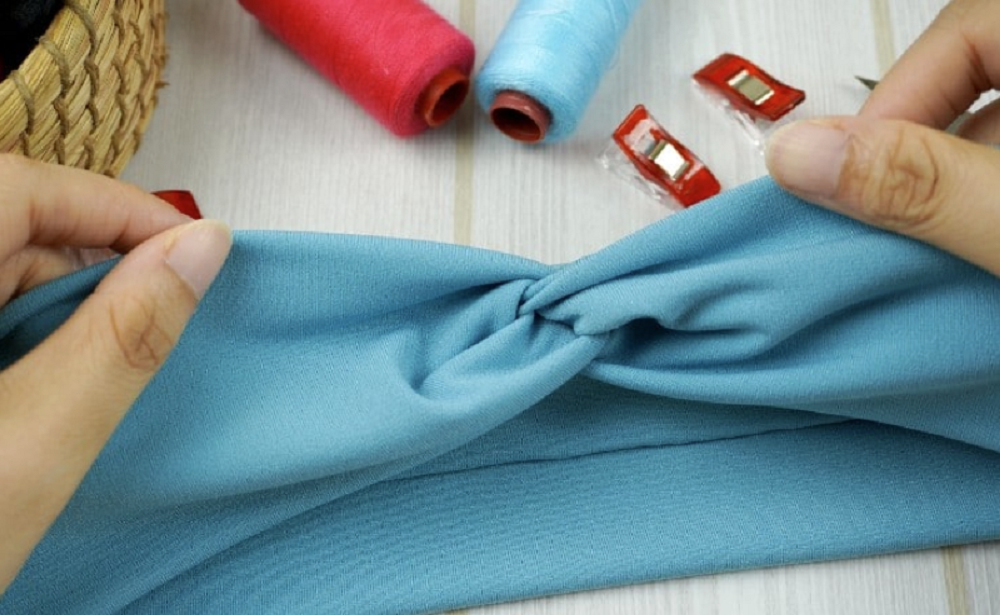
Popular clothes are made with stretch fabrics, including t-shirts, leggings, dresses, pyjamas and underwear. While stretch fabrics like jersey and spandex aren’t necessarily difficult to sew with, they can present some challenges.
One of the greatest tips you can use for sewing stretch fabrics is choosing a ballpoint needle. Unlike regular sharp needles, which can pierce and damage the fibres, a ballpoint needle has a rounded tip that slides between the fabric’s fibres instead of cutting through them. This in return, helps prevent snags and runs. By gently pushing fibres apart rather than piercing them, a ballpoint needs also to help preserve the fabric’s elasticity, preventing skipped stitches or distortion.
If you tend to use cotton thread for your sewing projects, you will want to switch it out for polyester thread. This type of thread features a bit of stretch, meaning it is more resilient for sewing stretch fabrics. Polyester thread needs to be used in the bobbin as well.
Still, a polyester thread will not stretch enough to accommodate the stretch of the fabric, the reason why it needs to be combined with a serged seam, or on a regular sewing machine, to a narrow zigzag stitch. Zigzag stitches stretch a bit and work fine for all kinds of knit fabric sewing.
Using a walking foot can also be helpful. The extra set of feed dogs featured on the walking footwork with the machine’s feed dog on the bottom, helping keep the fabric in place. Even feeding both layers through the machine helps avoid pulling and stretching.
Sewing With Thick Fabrics
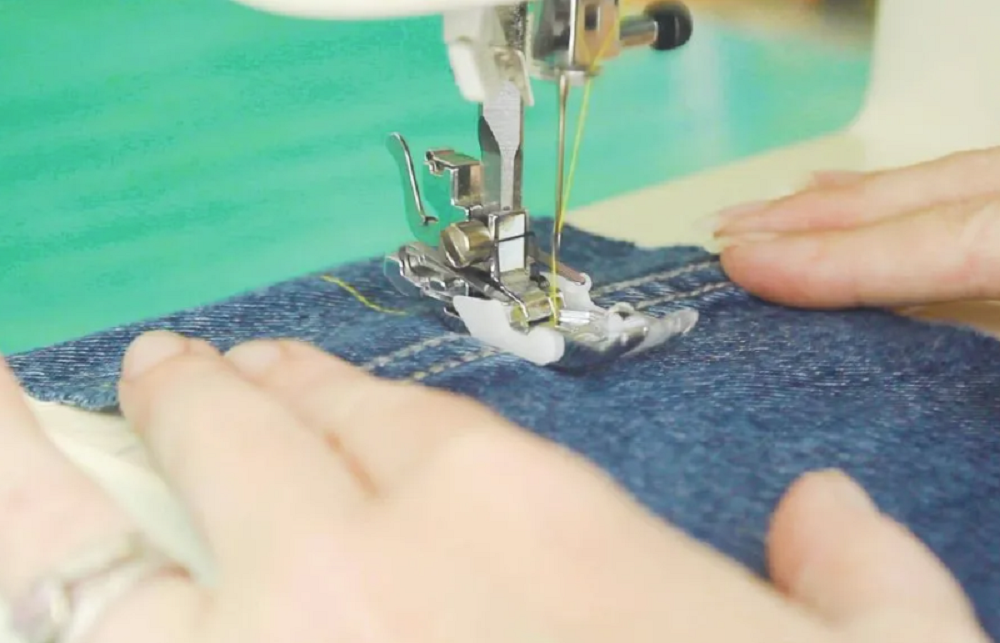
Denim, leather and canvas are examples of materials that can be difficult to sew with. To ensure that the stitches are secure, sturdy procedures are required. For example, to cut through dense materials, you’ll need a heavy needle such as a needle size 16/100 for denim and canvas, and a needle size 14/90 for leather and suede.
To achieve balanced stitches on thick fabrics, you may have to adjust the tension and stitch length on your sewing machine. Take a piece of fabric and experiment with sewing it in different settings to discover the best combination that results in even stitches without gathering or puckering.
For pinning, you’ll need longer pins with larger diameters to hold layers together securely. If you prefer, you can use fabric weight or clips to hold the fabric in place during sewing. For improved stability, you can bast the fabric layers together before seeing the final seams. Don’t worry because these can be removed easily later without leaving lasting marks.
You’ll also need a durable thread to sew heavier fabrics. You could use any kind of thread that is stronger and heavier than all-purpose threads. If multiple layers of the fabric do not fit easily under the presser foot, even if it’s in the up position, use a presser foot lever to elevate the presser foot to its highest position.
General Sewing Tips
Regardless of which type of material you use to sew, make sure you press the finished seams and hems with a steam iron. This will help a lot with hiding waves, distortions and unwanted growth in the garment. The steams help the fabric and stitches to bounce back into shape.
It’s also a good idea to hang your garment overnight. While slippery, stretch and thick fabrics may not settle and shift in the same way as cotton and linen fabrics, they still settle. The most common thing experienced sewers do to fix their projects is hang them overnight to allow them to stretch. Gravity causes the fabric to stretch and drape more naturally, which can impact the final fit and shape of the garment.