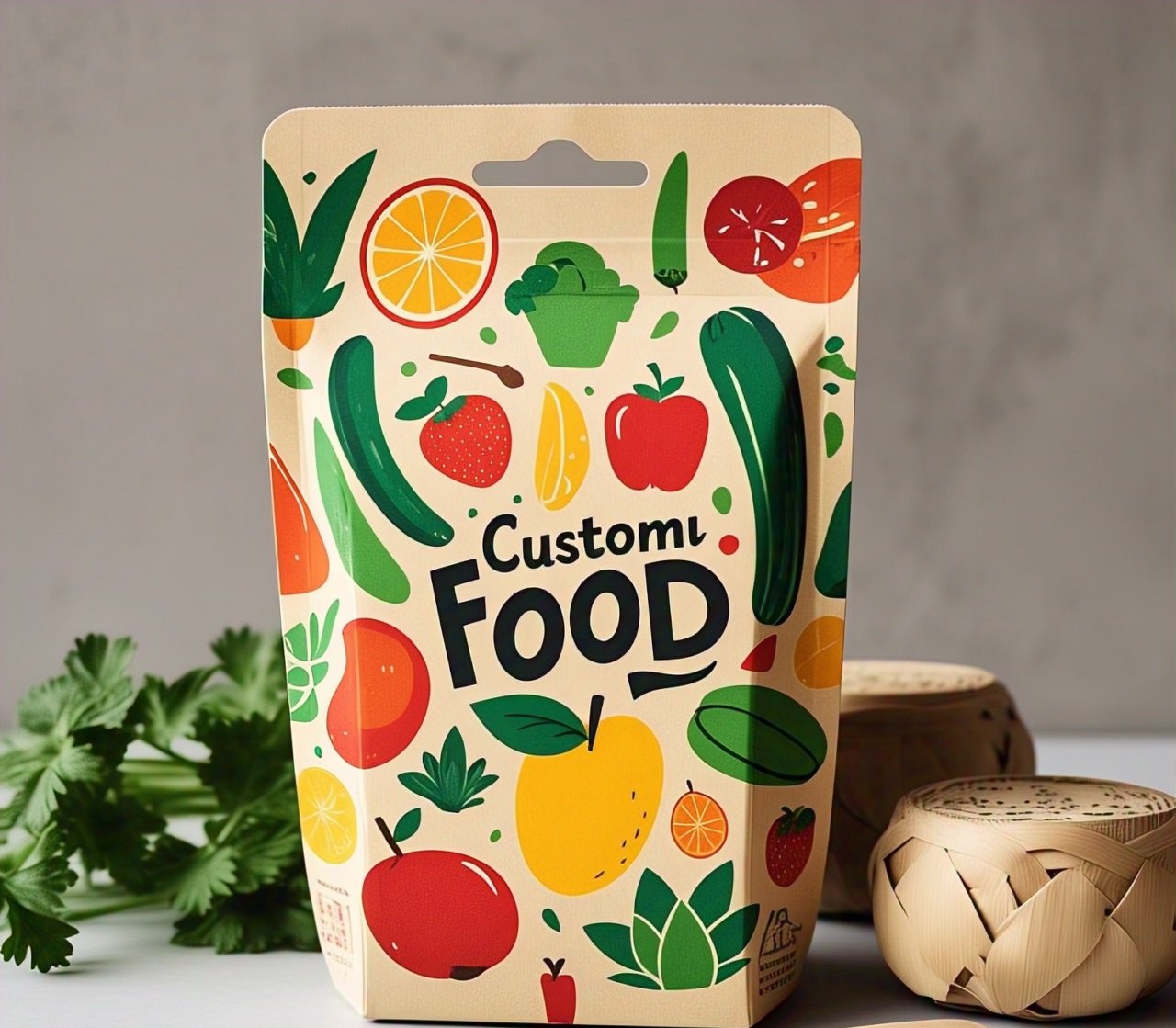
In other to for the food industry, supermarkets and bakeries to make their products appealing to their customer while ensuring safety standard and freshness of their products have given rise to a quest for different ways to distinguish themselves. To achieve the objectives highlighted earlier, several methods have been experimented, but it has become obvious that one of the most effective methods to achieve this is through custom food packaging. It is now a well-established fact that well-designed packaging does more than just serving aesthetic purposes but also offers practical benefits, which include but not limited to enhanced product protection, improved customer convenience, and sustainability. Eco-friendly packaging solutions are having more recognition because of their ability to minimize environmental impact.
Why Custom Food Packaging is Important
Some of the reasons why custom food packaging is essential for these businesses are highlighted below:
1. Brand Identity
One of the major if not the most important tool used for branding in supermarkets and bakeries is custom food packaging of their products. Custom food packaging helps businesses the opportunity to pass across their brand identity. Companies try as much as they can to leave a lasting impression on their customers and look for ways to promote brand loyalty through their personalized packaging. Beyond branding, well-designed packaging enhances the overall customer experience.
2. Making Sure that Products are Safe and Protected
Ensing the safety, freshness and quality in the food processing industry requires the use of adequate packaging. For goods that are perishable, for example, baked items, the custom packaging are usually designed to take of possible contamination and ensuring that they stay fresh at all times.
3. Unique Marketing and Competitive Advantage.
Maintain a product’s uniqueness is very important to stay competitive in today’s saturated marketplace with different arrays of products seeking the attention of shoppers. In doing this, manufacturers make use of custom packaging as a tool to make sure that their products stand out in supermarkets and bakeries by leveraging innovative packaging designs to showcase their products and capture consumer attention.
The Increasing attention to Custom Eco-Friendly Packaging
The world is currently grappling with different environmental issues which ranges from climate change leading to the occurrence erratic climatic changes which have impacted negatively on man and the environment. This has led to the growing demand for sustainable packaging solutions by shoppers as an effort to prioritize environmental responsibility. Supermarkets and bakeries that adopt eco-friendly packaging options not only contribute to a healthier planet but also enhance their brand reputation and appeal to eco-conscious consumers.
1. Reducing Environmental Impact
Traditional plastic packaging has been a significant contributor to global pollution, particularly with single-use plastics that take hundreds of years to decompose. By switching to sustainable materials, such as biodegradable paper, compostable bioplastics, and recycled cardboard, businesses can reduce their ecological footprint.
Eco-friendly packaging options minimize waste and lower carbon emissions, aligning businesses with global sustainability efforts. By embracing responsible packaging practices, supermarkets and bakeries can play a role in reducing plastic pollution while responding to growing consumer demand for greener alternatives.
2. Meeting Consumer Expectations
Sustainability is becoming an essential factor in purchasing decisions. Consumers are increasingly inclined to support brands that demonstrate a commitment to eco-friendly practices. Surveys show that customers are willing to pay a premium for sustainable packaging, reflecting a growing shift in consumer preferences.
By using biodegradable or recyclable packaging, supermarkets and bakeries can strengthen customer trust and loyalty. In addition, environmentally conscious packaging aligns with broader corporate social responsibility (CSR) initiatives, further enhancing a company’s reputation and industry standing.
3. Regulatory Compliance and Future-Proofing
Government regulations around packaging waste and sustainability are becoming stricter worldwide. Many regions are implementing policies that restrict the use of non-recyclable plastics and encourage businesses to adopt environmentally responsible packaging solutions.
By proactively transitioning to sustainable packaging, supermarkets and bakeries can stay ahead of compliance requirements and avoid potential penalties. Investing in eco-friendly packaging solutions now ensures long-term business sustainability and positions brands as forward-thinking industry leaders.
4. Cost Savings in the Long Run
While sustainable packaging options may involve higher initial costs, they often lead to long-term financial benefits. Businesses can save on waste disposal expenses, improve brand loyalty, and even qualify for government incentives promoting sustainable practices.
Lightweight and biodegradable materials often reduce transportation costs, contributing to overall savings. Additionally, as demand for sustainable packaging grows, economies of scale are likely to drive down costs, making eco-friendly solutions more financially viable in the future.
Practical Steps to Implement Sustainable Custom Packaging
For supermarkets and bakeries looking to transition to sustainable custom packaging, several practical steps can be taken:
- Assess Current Packaging Needs: Identify which packaging materials and designs are most suitable for various products.
- Choose Sustainable Materials: Opt for biodegradable, compostable, or recyclable packaging solutions that align with environmental goals.
- Partner with Ethical Suppliers: Work with packaging suppliers that prioritize sustainable and eco-conscious production methods.
- Educate Customers: Use packaging to inform customers about sustainable practices and how they can dispose of packaging responsibly.
- Monitor and Adapt: Continuously evaluate packaging effectiveness and explore new sustainable innovations as they emerge.
Conclusion
Custom food packaging is far more than a branding tool—it is a critical aspect of product protection, customer experience, and business sustainability. For supermarkets and bakeries, investing in custom packaging solutions can lead to increased brand recognition, customer loyalty, and competitive differentiation.
As the food industry moves toward greater environmental responsibility, adopting sustainable packaging is no longer just an option—it is a necessity. Businesses that prioritize eco-friendly packaging will not only reduce their environmental impact but also strengthen their reputation and long-term success.
By making responsible packaging choices today, supermarkets and bakeries can ensure a thriving, sustainable future while meeting the evolving expectations of eco-conscious consumers.