Introduction
The Adiponectin ELISA (Enzyme-Linked Immunosorbent Assay) Test is a diagnostic tool used to measure adiponectin levels in the blood. Adiponectin is a hormone primarily secreted by adipose tissue (fat cells) and plays a significant role in regulating metabolism, insulin sensitivity, and inflammation. This Test provides valuable insights into various health conditions. It can aid in diagnosing and managing metabolic disorders, cardiovascular diseases, and obesity-related complications. This article will explore the Adiponectin ELISA Test, its significance, and its role in healthcare.
Understanding the Adiponectin ELISA Test
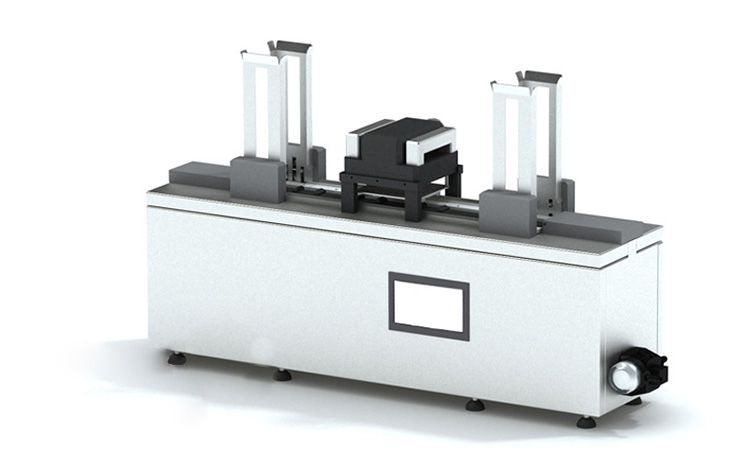
The Adiponectin ELISA washer Test is a laboratory-based immunoassay that utilizes specific antibodies to detect and quantify adiponectin levels in a blood sample. It follows a well-established ELISA protocol, which involves several steps:
- Sample Collection: A blood sample is collected from the patient using standard venipuncture techniques. The sample is typically collected in a vacutainer tube containing an anticoagulant to prevent clotting.
- Preparation: The blood sample is centrifuged to separate the plasma or serum containing adiponectin from the cellular components.
- Incubation: The plasma or serum sample is incubated with antibodies that specifically bind to adiponectin. This step allows the formation of antibody-antigen complexes.
- Washing: The sample is then washed to remove any unbound components and contaminants, ensuring the accuracy and specificity of the Test.
- Detection: A secondary antibody labeled with an enzyme, such as horseradish peroxidase (HRP), is added to the sample. This enzyme catalyzes a reaction that produces a measurable signal, usually a color change.
- Quantification: The intensity of the signal is measured using a spectrophotometer, and it correlates with the concentration of adiponectin in the sample. The results are reported in ng/mL (nanograms per milliliter) or µg/L (micrograms per liter).
Significance and Clinical Applications
The Adiponectin ELISA Test provides valuable information about adiponectin levels in the body and its potential health implications. Adiponectin is involved in several physiological processes, and abnormalities in its ranks have been associated with various conditions:
- Metabolic Disorders: Low adiponectin levels are often observed in individuals with metabolic syndrome, type 2 diabetes, and obesity. Adiponectin plays a role in insulin sensitivity, lipid metabolism, and glucose regulation. Measuring adiponectin levels can help assess the risk and progression of these conditions.
- Cardiovascular Diseases: Adiponectin has cardioprotective properties, including anti-inflammatory and vasodilatory effects. Reduced adiponectin levels have been linked to an increased risk of developing cardiovascular diseases, such as coronary artery disease and atherosclerosis. Monitoring adiponectin levels can aid in assessing cardiovascular health and guiding treatment strategies.
- Obesity-related Complications: Adiponectin regulates appetite, energy expenditure, and adipose tissue inflammation. Low levels of adiponectin are commonly observed in obesity. They are associated with an increased risk of developing complications such as insulin resistance, fatty liver disease, and chronic inflammation.
FAQ about the Adiponectin ELISA Test
How is the Adiponectin ELISA Test performed?
The Adiponectin ELISA Test is performed in a laboratory using specialized kits containing the necessary reagents and antibodies. Trained laboratory personnel perform the Test following established protocols and quality control measures.
Is fasting required for the Adiponectin ELISA Test?
Fasting is not typically required for the Adiponectin ELISA Test. However, following specific instructions from the healthcare provider or laboratory conducting the Test is essential.
Are there any risks or side effects associated with the Test?
The Adiponectin ELISA Test is a relatively safe procedure, and adverse reactions are rare. There may be slight discomfort during the blood collection, such as a small needle prick, but serious complications are extremely uncommon.
Can the Adiponectin ELISA Test be used for monitoring treatment progress?
Yes, the Adiponectin ELISA Test can be useful for monitoring treatment progress. Changes in adiponectin levels over time can provide insights into the effectiveness of interventions, such as lifestyle modifications, medications, or therapeutic interventions aimed at improving metabolic health.
Conclusion
The Adiponectin ELISA Test is a valuable diagnostic tool that measures adiponectin levels in the blood. It is crucial in assessing metabolic health, cardiovascular risk, and obesity-related complications. Healthcare providers can make informed decisions regarding patient care, treatment strategies, and interventions by providing insights into the body’s adiponectin status. The Adiponectin ELISA Test contributes to personalized medicine and understanding various diseases influenced by adiponectin levels.