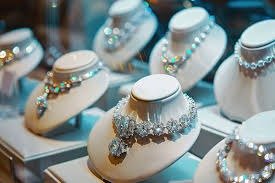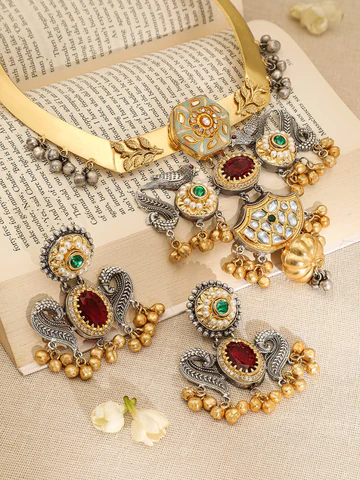
Indian jewellery styles often feature exquisite craftsmanship inspired by royal artisans and patronized by the Rajput and Mughal courts. The unique designs and timeless beauty of these pieces inspire beautiful earrings, bangles with intricate details, and elegant Indian long necklaces.
Vintage Indian jewellery is a piece of history and often a prized possession of collectors across the globe. Those inspired by the royals reflect the grandeur of India’s history, becoming a beautiful piece that can not only be bridal jewellery but also a statement piece in upscale events.
From a Kundan-style Indian long necklace to Victorian Indian jewellery, let’s take a look at key pieces that have their roots in royalty.
Jewellery Styles that Define Vintage Royalty
Characterized by intricate craftsmanship and opulent precious stones, Indian vintage royal jewellery tells a tale of timeless grandeur. Seven vintage jewellery styles from the Indian royalty that have left a lasting impression and continue to inspire modern jewellery styles are as follows:
1. Polki Jewellery: Uncut Diamonds
Defined by uncut diamonds and raw gemstones set in pure gold, these exquisite pieces have a raw, natural look. The use of unfaceted diamonds gives polki jewellery a softer, ethereal sparkle. Craftsmen hand-set every diamond in gold foil, making the piece look organic, regal, and undeniably one-of-a-kind.
The roots of Polki jewellery lie in Rajasthan and were popularized by the Mughals and Rajputs. Master craftsmen made elaborate polki sets for the royal brides, each piece becoming a part of the royal heirloom. Today, Polki jewellery is passed down as heirlooms in aristocratic Indian households.
2. Kundan Jewellery: Mughal Elegance
Offering a similar aesthetic to Polki, Kundan Jewellery uses glass stones and other gemstones. These glass stones are cut to resemble unfaceted diamonds and set in a gold frame to create a stunning piece of art. Indian long necklaces made in the Kundan style are known for their elaborate and elegant design.
Kundan jewellery was originally patronized by the royal courts of Gujarat and Rajasthan. These were not only a part of ceremonial and festive attire but also found a place in the bridal trousseau. Today, these are the inspirations behind trendy yet antique bridal pieces.
3. Jadau Jewellery: Embedded Jewels
Jadau, an art form of ancient jewellery making, was perfected by craftsmen (Ghaarias) over the centuries. This form of jewellery features enamelling work done on the reverse of the pieces, embedded with precious stones, and outlined by intricate gold work. The result is a three-dimensional effect that makes the embedded jewels seem like they are floating.
Jadau jewellery was originally introduced by the Mughals and worn in the royal courts of Rajasthan and Gujarat. Regal and ornate Jadau jewellery often serves as the inspiration behind Indian long necklaces, which are an important part of bridal accessories.
4. Satlada Haar: Nizami Tradition
Historically made with 465 pearls set in seven cascading strands and a central pendant, the Satlada Haar was introduced by the Nizams of Hyderabad. These layered Indian long necklaces are embellished with polished glass (kundan), diamonds, and other precious stones, and serve as ideal pieces for weddings and similar high-profile events.
Some Satlada haars feature s traditional Kundan work in the central pendants, while the more modern pieces use minimalist, lightweight designs that offer a bright contrast to the traditional pearls.
5. Meenakari Jewellery: Intricate Enameling
Popular in Rajasthan, Meenakari jewellery features vibrant colours and intricate enamel work. Traditionally trained artisans hand-paint unique designs using enamel, making each piece one-of-a-kind. These are complemented by precious and semi-precious stones as well as small beads.
Originating as a Persian art form, Meenakari jewellery reached India when Raja Man Singh of Amber brought skilled artisans to the country. Meenakari is also popular as a Mughal art form. Today, Meenakari is used both as a standalone jewellery design and as a key element in other forms of jewellery.
6. Thewa/Theva Jewellery: Rajputana Artistry
Traditionally made from 23 karat gold and colored glass, Thewa jewellery from Rajasthan features intricate gold filigree work. This fusion of glass and gold is renowned for its delicate craftsmanship that portrays scenes of nature, royal courts, and even mythology.
Thewa jewellery was introduced as an art form by Raj son Nathu Ji Soni and patronized by Rajasthan’s royal families due to its artistic value. In fact, it was worn by the nobility in the royal courts of Rajasthan, symbolizing both wealth and status. Today, Thewa jewellery is prized for its cultural heritage.
7. Victorian Indian Jewellery: The Colonial Inspirations
A blend of European motifs and Indian artistry, Victorian Indian jewellery is a prime example of how India’s colonial history inspired artforms. Made popular during the British Raj, these pieces feature intricate filigree work and bold gemstones like diamonds, rubies, and sapphires. The motifs draw inspiration from both nature and mythology and are renowned for their elegance and sophistication.
Victorian Indian jewellery was popular among the British royals and nobles as well as the rulers of the Indian Princely states. They were also popular as gifts offered as a cultural exchange. To date, these Victorian-era pieces are admired for their timeless beauty, and they continue to inspire jewellery designers everywhere.
Wrapping Up
Indian jewellery styles inspired by the Royals, i.e., Mughals, Rajputs, Nizams, and the British, feature intricate craftsmanship, bold motifs, precious stones, and timeless beauty. Thus, these are a prized possession for many, often popular among brides who want a vintage piece to complete their wedding look, as well as in popular upscale events.
Add to Your Vintage Jewellery Collection With Elegant Pieces
Are you looking for vintage jewellery that lends a royal and elegant aesthetic? Look for one of the above jewellery styles inspired by the Indian royals to add to your collection.