Caring for a pet with special needs can feel heavy. You watch every step, every breath, and every small change. You want clear answers and real support. Animal hospitals give that support every day. You get a team that sees your pet as family and treats you as a partner. You receive help with pain, movement, feeding, and daily comfort. You also gain a plan for emergencies, hard choices, and long nights. If you work with a veterinarian in Port Arthur, TX, you can expect careful exams, simple guidance, and steady follow up. You do not have to guess what your pet needs next. You do not have to face each setback alone. This blog walks through five direct ways animal hospitals stand beside you and your pet, so you can focus on love, safety, and small moments that still bring calm.
1. Care plans that match your pet’s limits
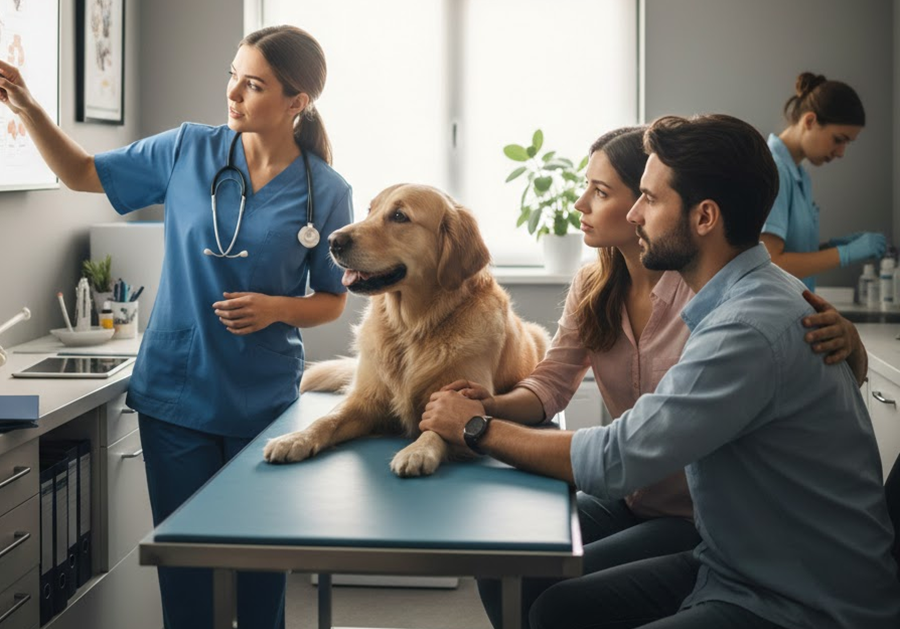
First, animal hospitals create a clear care plan. Your pet does not get a copy of a chart. Your pet gets a plan built around age, diagnosis, and home life.
During visits, the team usually:
- Reviews your pet’s medical history and current limits
- Asks how your home is set up and what you can handle each day
- Explains what to watch for and what can wait
The American Veterinary Medical Association explains that older and fragile pets need more frequent checks and simple changes in home care. Animal hospitals use this kind of guidance to set visit schedules, lab work, and home routines that you can follow without fear.
You leave with written steps. You know which medicines to give, how often to return, and when to call right away.
2. Pain control and comfort support
Next, animal hospitals focus on pain and comfort. Many special needs pets live with joint disease, nerve damage, or organ disease. Pain often hides under quiet behavior or small changes.
Your veterinary team may:
- Use pain scoring charts during exams
- Adjust medicine doses as your pet’s condition shifts
- Recommend simple home changes, such as rugs for grip or raised bowls
They may also suggest non drug options like gentle stretching, weight control, or special bedding. The goal is not only longer life. The goal is a life your pet can enjoy.
3. Help with feeding, weight, and special diets
Third, animal hospitals guide you through feeding. Special needs pets often struggle with weight, swallowing, or digestion. Guessing with food can cause more harm.
Your veterinarian may:
- Set a target weight and daily calorie range
- Recommend prescription diets for kidney, heart, or stomach disease
- Teach you how to use feeding tubes or special bowls if needed
This support protects energy, healing, and comfort. It also lowers the risk of sudden crashes from low blood sugar or dehydration.
Common Nutrition Needs for Special Needs Pets
| Condition | Feeding Goal | Typical Veterinary Support |
|---|---|---|
| Kidney disease | Protect kidney function | Low phosphorus diet and close lab checks |
| Diabetes | Stable blood sugar | Timed meals with insulin guide |
| Severe arthritis | Healthy body weight | Weight loss plan and joint support foods |
| Food allergies | Limit flare ups | Allergy diet and strict treat list |
This kind of structure gives you clear choices at the store and at the food bowl. You do not need to test random diets on your own.
4. Rehab, movement support, and home safety
Fourth, many animal hospitals now offer rehab and movement support. If your pet has spinal injury, limb loss, or muscle loss, careful movement can protect joints and keep strength.
Hospitals may provide:
- Gentle exercises to do at home
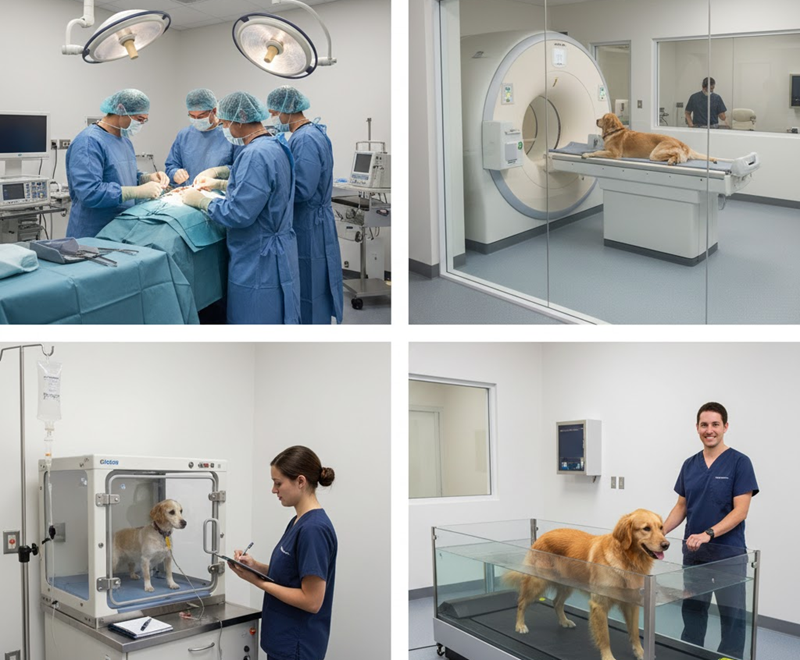
- Access to rehab tools like underwater treadmills or balance boards
- Advice on harnesses, carts, and ramps
This support turns daily walks and play into low risk movement. It lowers falls and helps your pet keep some independence.
Your team can also walk through home safety. They might suggest baby gates, non slip mats, or moving your pet’s bed to one level. Each change cuts the chance of fractures or panic when your pet tries to move alone.
5. Emergency planning and emotional support for you
Finally, animal hospitals help you plan for hard days. Special needs pets face a higher risk of sudden trouble. Breathing changes, seizures, or sudden pain can strike at night or on weekends.
Your hospital can help you:
- Create an emergency plan with clear “go now” signs
- Keep an emergency kit with medicine, records, and supplies
- Understand when home care is safe and when it is not
Many teams also talk with you about quality of life. They do not rush you. They walk through what comfort looks like and which signs show that your pet is suffering. These talks are hard. They are also an act of care for you and your pet.
The hospital staff see families in grief every day. They know how to explain choices in plain words. They can offer resources for children and other family members so everyone feels heard.
Moving forward with steady support
Living with a special needs pet often feels like walking a thin wire. Every decision carries weight. Animal hospitals give you a net. You gain medical skill, home care tips, and a team that watches trends over time.
You bring love, patience, and daily care. The hospital brings clear plans, close checks, and honest talk. Together, you give your pet comfort, safety, and as many good days as possible.