Vehicle ownership comes with inevitable expenses, but here’s the thing, many costly repairs can be avoided through proactive maintenance and smart protection strategies. You don’t need advanced mechanical knowledge to safeguard your investment, just a commitment to proven preventive practices. When you implement strategic protection measures, you’re doing more than just maintaining a car. You’re extending your vehicle’s lifespan, protecting its resale value, and avoiding the financial headache of unexpected breakdowns.
Regular Maintenance Schedule Adherence
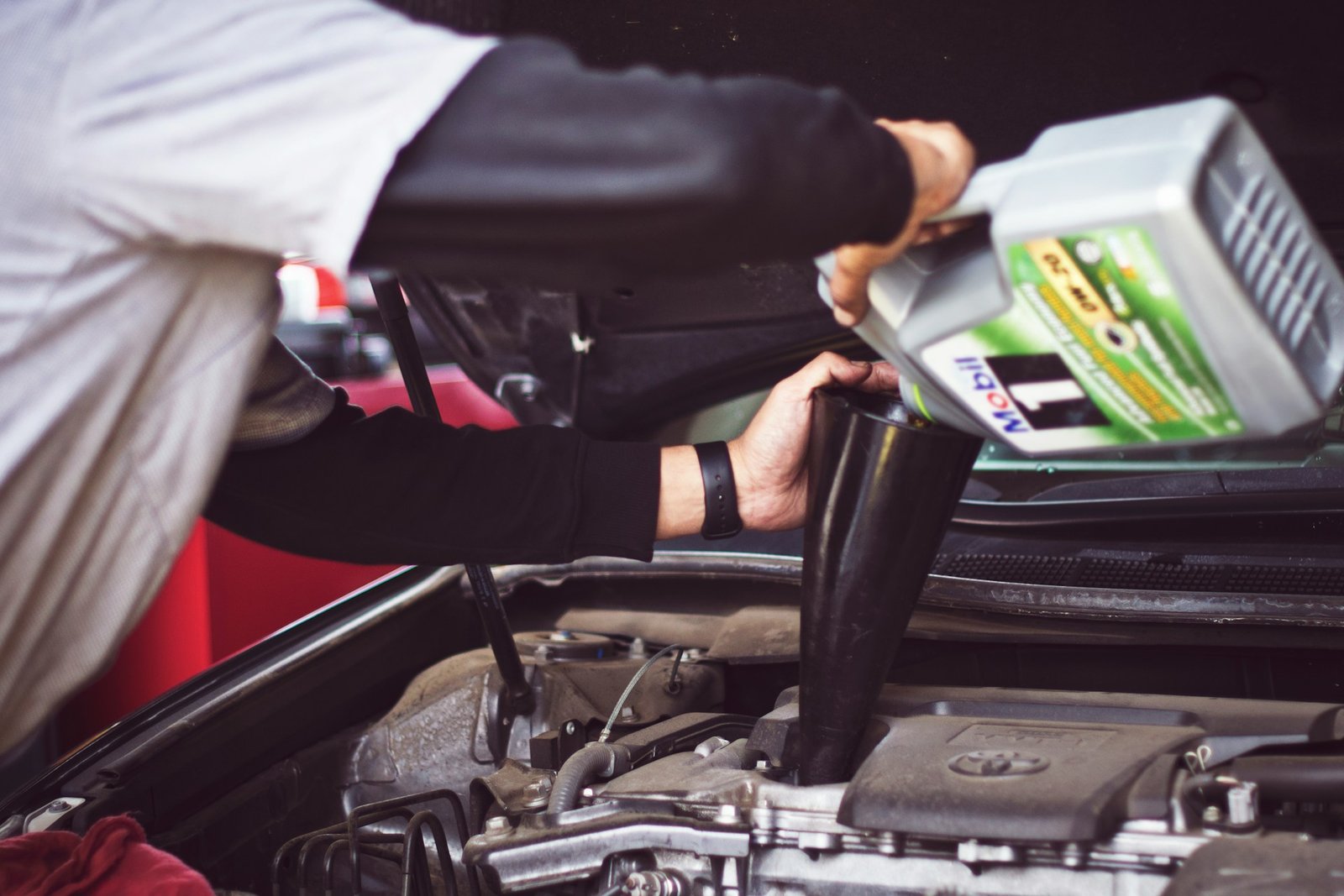
Following your manufacturer’s recommended maintenance schedule consistently? That’s hands down the single most effective strategy for preventing costly repairs. Oil changes, fluid checks, filter replacements, and system inspections keep your vehicle humming at peak efficiency and help identify potential problems before they snowball into expensive failures. Many drivers postpone routine maintenance thinking they’re saving money in the short term, but this approach typically backfires when neglected components fail prematurely. Modern vehicles contain sophisticated computerized systems that absolutely depend on proper maintenance intervals to function correctly, making adherence to service schedules more critical than ever before.
There’s real value in establishing a relationship with a trusted mechanic or service center. It ensures consistency in your maintenance approach and creates a documented service history that speaks volumes. This professional relationship allows mechanics to track your vehicle’s condition over time, spotting unusual wear patterns or emerging issues that might escape notice during a single visit. What’s more, maintaining detailed service records demonstrates responsible ownership to future buyers, significantly enhancing resale value when you’re ready to upgrade your vehicle.
Protective Exterior and Interior Care
Your vehicle’s exterior serves as the first line of defense against environmental damage that can spiral into costly structural repairs. Regular washing removes corrosive materials like road salt, bird droppings, and industrial fallout that gradually eat away at paint and metal surfaces. Applying quality wax or sealant creates a protective barrier against UV radiation, acid rain, and minor abrasions that compromise your vehicle’s finish. Whenever possible, parking in covered areas shields your car from hail damage, excessive sun exposure, and tree sap that can permanently mar surfaces.
Interior protection proves equally important for maintaining your vehicle’s overall condition and preventing expensive restoration needs down the road. Using floor mats, seat covers, and sunshades protects original upholstery and dashboard materials from premature wear and sun damage. When spills happen, addressing them immediately prevents staining and odor absorption that diminish interior quality and vehicle value. Climate-controlled storage during extended periods of non-use prevents moisture accumulation, mold growth, and material degradation that often necessitate costly interior rehabilitation.
Proactive Driving Habits and Awareness
How you operate your vehicle directly impacts mechanical longevity and repair frequency; there’s no getting around it. Aggressive acceleration, hard braking, and excessive idling place unnecessary stress on engines, transmissions, and braking systems, accelerating component wear and increasing failure risk. Smooth, gradual acceleration, and deceleration extend the life of drivetrain components while improving fuel efficiency. Avoiding overloading your vehicle prevents strain on suspension systems, brakes, and tire assemblies that can lead to premature failure and safety hazards that nobody wants to deal with.
Developing heightened awareness of your vehicle’s normal operation enables early detection of developing problems before they become serious. Unusual sounds, vibrations, odors, or dashboard warning lights signal conditions requiring immediate attention before minor issues evolve into major repairs. Learning to recognize changes in steering responsiveness, braking performance, or acceleration patterns helps you identify problems in their early stages when repairs remain relatively inexpensive. Many catastrophic failures provide advance warning signs that alert drivers miss due to inattention or delayed response; don’t be one of them.
Strategic Parking and Storage Considerations
Where and how you park your vehicle significantly influences its exposure to damage and deterioration in ways you might not realize. Selecting parking spots away from high-traffic areas reduces the risk of door dings, shopping cart impacts, and careless driver collisions that require bodywork and paint repair. When parking in tight spaces or crowded lots, professionals who need to address minor body damage often rely on auto dent repair in Brookfield, WI services to restore their vehicle’s appearance without extensive bodywork costs. Avoiding parking beneath trees minimizes exposure to falling branches, sap deposits, and bird droppings that damage finishes. During severe weather events, choosing sheltered parking locations protects your vehicle from hail, wind-blown debris, and flooding that can cause extensive damage.
Long-term storage requires additional protective measures to prevent degradation during extended non-use periods. Properly preparing vehicles for storage includes fuel stabilizer treatment, battery maintenance, tire pressure optimization, and thorough cleaning to prevent corrosion and pest infestation. Using breathable car covers protects against dust accumulation while allowing moisture to escape, preventing mold and mildew development that damages interiors and mechanical components. These preparations might seem excessive, but they’re worth every minute when you return to a vehicle that starts right up without issues.
Immediate Attention to Minor Issues
Addressing small problems immediately prevents them from developing into major repair situations that seriously drain your budget. A minor fluid leak ignored today becomes a catastrophic engine or transmission failure tomorrow, transforming a modest repair bill into a four-figure expense that’ll make your wallet weep. Small paint chips and scratches sealed promptly prevent rust formation that spreads beneath the surrounding paint, eventually requiring extensive bodywork. Unusual tire wear patterns corrected early through alignment or rotation to prevent premature tire replacement and potential suspension damage that compounds the problem.
Many drivers rationalize delaying minor repairs due to busy schedules or tight budgets, but this procrastination typically multiplies eventual costs substantially. Modern vehicles contain interconnected systems where one component’s failure can cascade into multiple system malfunctions, creating exponentially larger repair requirements. Establishing an emergency repair fund specifically for immediate attention to minor vehicle issues provides financial preparedness for addressing problems before they escalate. Think of it as insurance against the much larger expenses that delayed action inevitably brings.
Conclusion
Preventing costly auto repairs requires consistent commitment to maintenance, protective care, and responsive action rather than reactive crisis management; it’s really that straightforward. These five strategies work synergistically to preserve your vehicle’s condition, extend its operational lifespan, and protect your financial investment from avoidable expenses. By implementing regular maintenance schedules, practicing protective care habits, driving responsibly, choosing parking locations wisely, and addressing minor issues immediately, you establish a comprehensive protection framework that minimizes repair costs throughout your vehicle’s life. The modest time and financial investment in preventive measures consistently proves far less expensive than the alternative of emergency repairs and premature component replacement, making these strategies essential for every responsible vehicle owner who values their investment.