When your animal is hurt or sick, you need more than a quick exam. You need a team that can act fast, explain clearly, and keep your animal safe through every step. That is where a full animal hospital stands apart from a small clinic. A hospital offers tools and support that many small offices do not have. You see this in emergency care, surgery, advanced testing, and ongoing support under one roof. Each service can mean the difference between worry and relief. Each one can shorten pain and prevent lasting harm. At a place like a Loxahatchee Groves Veterinarian animal hospital, you get help that matches the seriousness of your animal’s condition. This blog will walk through four key services that separate animal hospitals from small clinics so you can choose care with clear eyes and a steady mind.
1. Emergency and Critical Care
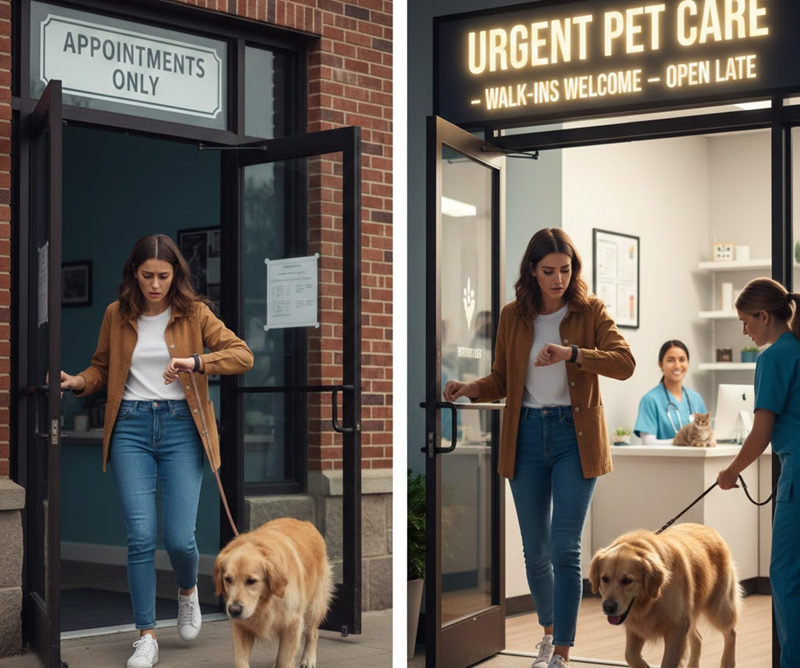
Crashes. Heat stress. Sudden breathing trouble. These strike without warning. In those moments, you need care that is ready on the spot. Many small clinics keep limited hours. Some close at night and on weekends. An animal hospital often offers urgent or 24-hour care.
Here is what that means for you and your animal.
- Staff trained to handle trauma and shock
- Oxygen support and IV fluids on site
- Quick use of X-rays and lab tests
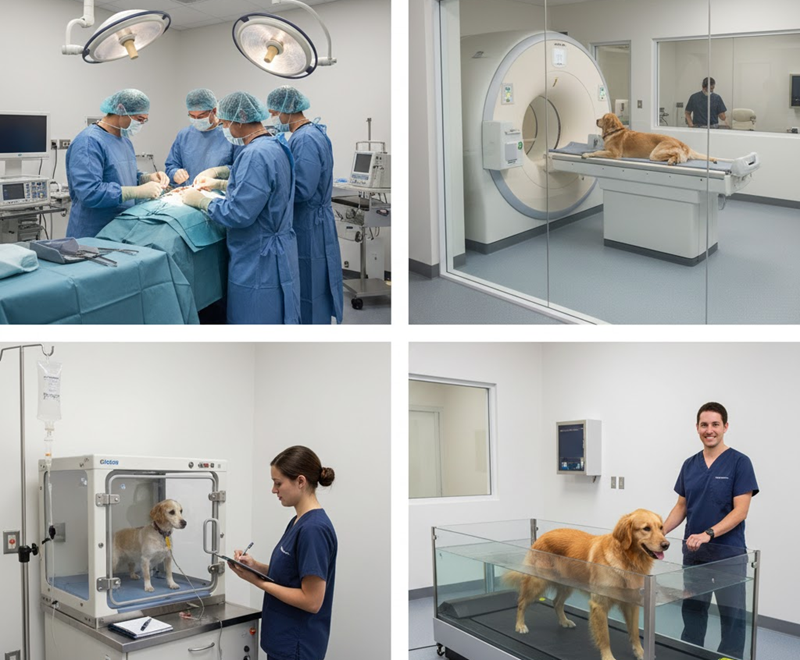
Next, a hospital can watch your animal closely after the first crisis. This step is called critical care. Your animal may need help with breathing, blood pressure, or pain control. A hospital has monitors, pumps, and safe spaces for this close watch.
The American Veterinary Medical Association stresses that fast care in the first hours can lower harm and loss. An animal hospital is built for that window of time.
2. Surgical Services and Safe Anesthesia
Some small clinics can handle simple surgery. Many can remove small growths or clean teeth. Yet more serious problems need more support. Animal hospitals often run full surgical suites with extra safety steps.
These services can include.
- Dedicated surgery rooms kept clean and controlled
- Modern anesthesia with close heart and breathing checks
- Pain control before, during, and after surgery
- Blood products and emergency drugs ready for use
Also, a hospital is more likely to bring in surgeons with extra training for bone repair, joint work, or complex belly surgery. This matters for large dogs, older pets, and animals with long-term health problems.
The difference shows in outcomes. Care that follows safe anesthesia rules and full monitoring lowers risk. The U.S. Food and Drug Administration urges pet owners to ask about pain control and monitoring during surgery. An animal hospital can answer those questions with clear steps, not guesses.
3. Advanced Diagnostics Under One Roof
When your animal is sick, you want answers fast. Guesswork drains time and hope. Small clinics often ship blood work to outside labs and send animals to other offices for scans. That can mean delays and more trips for you.
An animal hospital often keeps many tools in-house.
- Blood and urine tests with same-day results
- X-rays for bones and chest
- Ultrasound for belly, heart, and soft tissue
- Blood pressure checks and heart rhythm tests
First, this saves time. Staff can test, read the results, and start treatment during the same visit. Next, it lowers stress on your animal. Fewer moves mean less fear and less pain.
Fast testing can also catch silent disease. Kidney strain, early heart change, and hidden infections often show up on lab work before clear signs. With quick results, your care team can act early. That can keep your animal steady for years.
4. Ongoing Support and Specialty Care
Health does not end with a single visit. Long-term problems like diabetes, kidney disease, or joint pain need steady care. An animal hospital is more likely to run full support services.
These can include.
- Chronic disease clinics for heart, kidney, or endocrine problems
- Rehabilitation for joint injury and surgery recovery
- Behavior help for fear, aggression, or house soiling
- Nutrition advice for weight and special diets
Then, many hospitals host or share space with board-certified experts. These include internal medicine, oncology, surgery, and eye care. You stay within one system. Your animal’s records stay in one place. Your primary doctor and the specialist can plan together.
This steady team approach protects your time and your animal’s safety. It also gives you one trusted point of contact when things change.
Key Differences at a Glance
| Service | Typical Small Clinic | Typical Animal Hospital |
|---|---|---|
| Hours | Daytime on weekdays | Extended or 24 hour urgent care |
| Emergency Care | Stabilize and refer | Full emergency and critical care on site |
| Surgery | Basic soft tissue only | Advanced soft tissue and bone surgery |
| Anesthesia Monitoring | Basic checks | Continuous heart, oxygen, and blood pressure checks |
| Diagnostics | Limited tests, many sent out | In-house lab, X-ray, and often ultrasound |
| Specialists | Rare, often refer out | On-site or shared network of specialists |
| Chronic Disease Support | Routine checkups | Structured long term care plans |
How to Choose What Your Animal Needs
Not every visit needs an animal hospital. Routine vaccines, simple skin problems, or quick follow-ups can fit well in a small clinic. These clinics often feel quiet and close to home. That can help shy animals.
Yet you should lean toward an animal hospital when.
- Your animal has sudden trauma or trouble breathing
- Your pet needs surgery or goes under anesthesia
- Your animal has a long-term disease that needs tight control
- You want fast answers from on-site tests
Think of it as matching the level of care to the level of risk. When the stakes feel high, the added services of an animal hospital can protect your animal and your peace of mind.
Clear information, quick action, and steady support are not luxuries. They are basic needs when your animal is in pain. With a careful choice between a small clinic and an animal hospital, you protect both your animal’s body and your own heart.