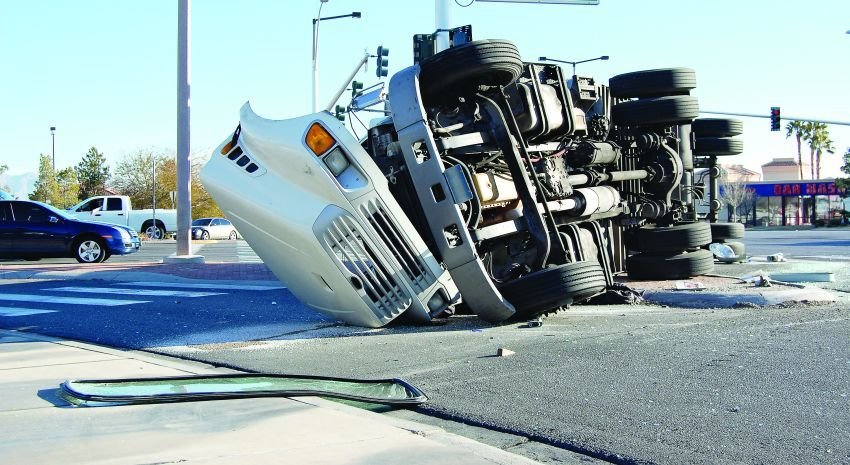
When most people think about traffic accidents, they picture two passenger vehicles colliding at an intersection or on a busy highway. While car crashes are serious, accidents involving large commercial trucks are often far more devastating.
Truck accidents frequently result in catastrophic injuries, long-term disability, and even fatalities. Understanding why these crashes are more dangerous—and what makes them legally complex—can help drivers stay safer and know what steps to take if the worst happens.
The Size and Weight Difference Is Massive
The most obvious reason truck accidents are more dangerous is sheer size.
A typical passenger car weighs around 3,000 to 4,000 pounds. A fully loaded commercial truck, however, can weigh up to 80,000 pounds. That dramatic weight difference means:
- Greater impact force during a collision
- Increased stopping distance
- Higher likelihood of severe structural damage
- More serious injuries to smaller vehicle occupants
Physics matters. When a massive truck collides with a smaller vehicle, the occupants of the passenger car absorb far more force.
Longer Stopping Distances Increase Risk
Trucks require significantly more distance to stop compared to cars. Even with properly functioning brakes, a fully loaded tractor-trailer may need the length of two football fields to come to a complete stop at highway speeds.
If traffic suddenly slows or stops, truck drivers may not be able to react in time. This often results in:
- Rear-end collisions
- Multi-vehicle pileups
- Chain-reaction crashes
Adverse weather conditions like rain or snow make stopping even more difficult.
Higher Ride Height Creates Underride Risks
One of the most dangerous aspects of truck accidents is the risk of underride collisions. Because commercial trucks sit higher off the ground, a smaller vehicle can slide underneath the trailer during a crash.
Underride accidents often cause:
- Severe head and neck trauma
- Crushing injuries
- Fatal outcomes
While federal regulations require underride guards, they do not prevent every incident, especially in high-speed collisions.
Wider Turns and Blind Spots
Commercial trucks have large blind spots, often referred to as “no-zones,” on all four sides of the vehicle.
Drivers may not be visible to truck operators when:
- Traveling alongside the trailer
- Merging suddenly
- Following too closely behind
Additionally, trucks require wide turns. When passenger vehicles attempt to squeeze between a turning truck and the curb, serious side-impact crashes can occur.
Cargo Shifts and Rollovers
Improperly secured cargo adds another layer of danger. If freight shifts inside a trailer, it can destabilize the truck, increasing the risk of rollovers.
Rollover accidents are especially hazardous because:
- The truck may crush smaller vehicles
- Debris can scatter across multiple lanes
- Traffic flow becomes severely disrupted
These types of crashes often involve multiple vehicles and lead to complex accident scenes.
Greater Likelihood of Severe Injuries
Because of the force involved, truck accidents often result in catastrophic injuries, including:
- Traumatic brain injuries (TBIs)
- Spinal cord damage
- Internal bleeding
- Multiple fractures
- Long-term disability
Medical expenses in truck accident cases can quickly escalate due to the severity of injuries and extended recovery periods.
Complex Legal and Insurance Issues
Truck accidents are not only more dangerous physically—they are often more complicated legally.
Unlike standard car crashes, truck accidents may involve multiple parties, including:
- The truck driver
- The trucking company
- Cargo loaders
- Vehicle manufacturers
- Maintenance providers
Determining liability requires a detailed investigation of driver logs, maintenance records, black box data, and compliance with federal regulations.
For individuals injured in serious collisions, consulting a Schaumburg Truck Accident Lawyer may help clarify liability, especially when multiple parties are involved.
Federal Regulations and Driver Fatigue
Commercial truck drivers must follow strict federal regulations regarding:
- Hours of service
- Rest breaks
- Vehicle inspections
- Weight limits
Despite these rules, driver fatigue remains a significant factor in truck accidents. Long hours behind the wheel can reduce reaction time and impair judgment.
Fatigue-related crashes are especially dangerous at highway speeds.
Common Questions About Truck Accidents
Are truck drivers usually at fault?
Not always. While truck drivers may make errors, other drivers sometimes contribute by driving in blind spots, cutting off trucks, or braking suddenly. Each case depends on specific facts and evidence.
Why are truck accident injuries often more severe?
The size and weight difference between trucks and passenger vehicles increases impact force. Additionally, underride risks and cargo hazards contribute to more catastrophic injuries.
How is fault determined in a truck accident?
Investigators review:
- Police reports
- Electronic logging devices (ELDs)
- Maintenance records
- Surveillance footage
- Witness statements
Accident reconstruction experts may also analyze the crash scene.
Are truck accident settlements larger than car accident settlements?
Often, yes. Because injuries tend to be more severe and multiple parties may share liability, settlements in truck accident cases are frequently higher than standard car crash claims.
How Drivers Can Reduce Their Risk
While drivers cannot control every factor, there are steps you can take to reduce the risk of being involved in a truck accident:
- Avoid driving in truck blind spots
- Do not cut off large trucks
- Maintain a safe following distance
- Pass trucks quickly and safely
- Anticipate wide turns
Understanding how trucks operate can significantly reduce your risk on the road.
Conclusion: Understanding the Serious Nature of Truck Accidents
Truck accidents are more dangerous than car crashes for several key reasons: massive weight differences, longer stopping distances, blind spots, cargo hazards, and the potential for catastrophic injuries.
Beyond the physical damage, these cases often involve complex legal issues and multiple liable parties. For victims, recovery can be physically, emotionally, and financially overwhelming.
While defensive driving can reduce risk, awareness is essential. Sharing the road with large commercial trucks requires patience, caution, and respect for the unique challenges they present.
Staying informed helps protect you, your passengers, and everyone traveling alongside you on the highway.