In the hyper-competitive retail landscape of 2026, the battle for customer loyalty is no longer won on the shelf alone it is won during the unboxing. As digital ad costs rise and physical touchpoints become rarer, premium brands are realizing that their packaging is the only 100% open-rate marketing channel they have. The era of the flimsy folding carton is fading for high-ticket items. Instead, market leaders in cosmetics, tech, and jewelry are aggressively pivoting toward robust, non-collapsible structures that command respect the moment they arrive.
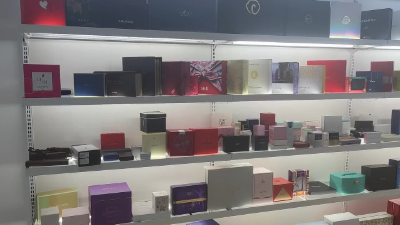
This shift is driven by a simple economic reality: customers in 2026 equate weight with worth. To secure their position in the premium tier, businesses are increasingly relying on Custom Rigid Boxes to deliver a tactile experience that digital screens cannot replicate. These structures, known for their solid chipboard walls and lack of assembly, signal to the consumer that the item inside is an investment, not just a commodity.
The Psychology of “Haptic Transfer”
Why does a heavier box sell better? Psychologists call it “haptic transfer.” When a customer holds a substantial, sturdy package, their brain subconsciously attributes those high-quality traits to the product inside. In contrast, placing a $200 watch or a luxury candle inside a thin, pliable box creates “cognitive dissonance”—a mental conflict where the cheap packaging devalues the expensive product. By 2026, avoiding this disconnect has become a top priority for Chief Marketing Officers. Brands are using high-density greyboard wrapped in specialty papers to ensure the first touch feels expensive, justifying higher price points before the box is even opened.
Elevating the Brand with Premium Structures
A standard box protects; a premium box performs. The transition to Luxury Rigid Box Packaging allows brands to utilize sophisticated opening mechanisms that turn a simple delivery into a theatrical event. Unlike standard cartons that are taped shut, these premium formats utilize:
- Magnetic Closures: Providing a satisfying, audible “snap” that signifies security and quality.
- Telescoping Lids: Creating a slow, friction-fit reveal that builds anticipation.
- Ribbon Pulls & Drawers: Adding an interactive element that feels like a gift, even if the customer bought it for themselves.
The “Keepsake” Economy: Sustainability 2.0
For years, sustainability meant “recyclable.” In 2026, the conversation has shifted to “reusability.” Consumers are tired of throwing away packaging. They want boxes they can keep. Top brands are switching to rigid formats because they have a “second life.” A well-made rigid box does not end up in a landfill; it ends up on a dresser storing jewelry, or on a desk organizing cables.
- Brand Permanence: Every time a customer reuses your box, they see your logo. It becomes a permanent billboard in their home.
- Eco-Responsibility: By creating durable “keepsake” packaging, brands reduce single-use waste, aligning with the values of the modern, eco-conscious shopper who prefers durability over disposability.
Social Commerce and the “Unboxing” Aesthetic
We cannot ignore the role of TikTok, Instagram Reels, and YouTube Shorts. In 2026, “Unboxing” is a distinct genre of content. Influencers and everyday customers are far more likely to film and share a product if the packaging looks cinematic. Rigid boxes offer the perfect canvas for this. Their flat, smooth surfaces are ideal for high-end finishing techniques like:
- Soft-Touch Lamination: Making the box feel like velvet or silk.
- Spot UV & Foil Stamping: Adding visual contrast that catches the light on camera.
- Embossing/Debossing: Adding 3D texture that emphasizes the logo. Standard corrugated boxes often show “fluting” (ridges) through the print, which looks cheap on 4K video. Rigid boxes provide the flawless finish required for the viral social media era.
Protection: Reducing the Cost of Returns
Finally, the switch is financial. As logistics networks become more automated, packages are dropped, thrown, and stacked by robots. High-value goods cannot survive this journey in weak packaging. Rigid setups offer superior structural integrity. They do not crush. When paired with custom-molded inserts, they lock the product in place, virtually eliminating shipping damage. For top brands, the upfront cost of premium packaging is far lower than the backend cost of replacing broken luxury goods and processing returns.
Conclusion
The move toward rigid formats in 2026 isn’t a trend; it’s a standard. Whether it is about surviving the shipping journey, dominating the social media feed, or simply justifying a premium price tag, the box is now as important as the product itself. For brands looking to scale, the investment in high-end structural packaging is the most direct path to elevating brand equity.