Most Brisbane households run their air conditioner harder than any other appliance they own. Yet it’s almost always the last thing anyone looks at — until something goes wrong. And the failure never arrives at a convenient time. It shows up mid-summer, with a house full of people, on a weekend when no technician picks up the phone. That’s the reality. Air conditioning servicing in Brisbaneisn’t something to put off. It’s what separates homes that stay comfortable through the season from ones that don’t.
Brisbane’s Climate Hits Hard
Most servicing guides talk to a general audience. Brisbane is different. The humidity that sits over the city from late spring through autumn means residential units here rarely get a break. Warm nights push systems to run overnight just to maintain sleeping temperatures. That adds up to a serious number of operating hours each year — far more than a unit in a cooler city would clock. Wear builds quietly without maintenance. Then, suddenly, it doesn’t.
Dirty Coils Work Against You
Most people know clogged filters slow a system down. What fewer realise is that the coils hidden inside the unit collect a thin layer of grime over time. That grime acts as insulation. It blocks heat transfer, forces longer cycles, and quietly inflates the power bill without any obvious warning sign. There’s no alarm. No light. Just a gradual decline in performance that feels normal until you’re hit with the bill. A proper air conditioning servicing in Brisbane will pick that up — a homeowner simply can’t.
The Drain Pan Problem Nobody Talks About
Brisbane’s humidity creates a specific problem inside air conditioning units. The condensate drain pan — the tray that collects moisture pulled from the air — becomes a breeding ground for mould in these conditions. That mould doesn’t stay put. It gets pushed into the airstream and circulated through living areas and bedrooms. Families notice a musty smell when the system runs and assume it’s dust. Often it isn’t. It’s the pan, or the interior of the ductwork. A technician flushes and treats that during a service. It never gets addressed if the unit just runs unchecked.
Short-Cycling Is a Warning Sign
A system that switches on, runs briefly, then switches off again isn’t being sensitive. Short-cycling is a symptom. It points to specific faults — low refrigerant, a failing capacitor, or a thermostat issue. Left alone, it puts enormous strain on the compressor. That’s the most expensive component in any unit. Catching short-cycling early through routine servicing is how you avoid a repair bill that dwarfs the cost of years of scheduled maintenance. It’s not a dramatic fix. It just needs to happen before things get worse.
Outdoor Units Take a Battering
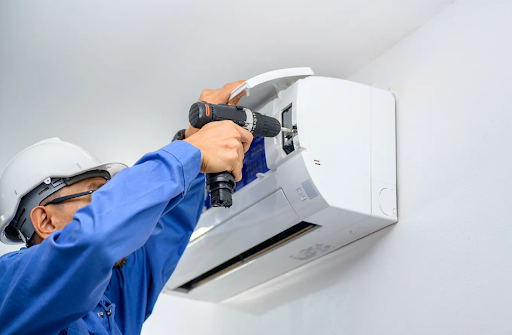
The outdoor condenser unit doesn’t have it easy in Brisbane’s conditions. UV exposure degrades wiring and plastic housing over time. Summer storms push leaves, bark, and seed pods into the unit, restricting airflow through the condenser coils. Technicians physically clear and inspect the outdoor unit during a service. A blocked condenser is one of the most common causes of pressure faults and sudden shutdowns — and those shutdowns tend to happen on the hottest days of the year, which is the worst possible time.
Refrigerant Doesn’t Disappear on Its Own
There’s a common myth that air conditioners burn through refrigerant like fuel. They don’t. Refrigerant runs in a closed loop. If levels are low, there’s a leak. Running a unit with a refrigerant deficit doesn’t just reduce cooling — it forces the compressor to operate outside its design range. Ice builds up on the evaporator coil. People assume the system is just working too hard. It isn’t. It’s a fault. One that quietly causes serious damage the longer it goes unnoticed.
Conclusion
There’s a reason experienced technicians say the most expensive call is the emergency one. Air conditioning servicing in Brisbane, done on a regular schedule stops small faults from turning into major failures. Brisbane’s heat and humidity push systems harder than most climates do. Understanding what’s happening inside the unit — the coil buildup, the drain pan, the refrigerant loop — changes how people see routine maintenance. It stops feeling optional. It starts making real, practical sense.