
In today’s digital-first world, a business website is often the first point of contact between a brand and its potential customers. Before someone calls, emails, or visits a physical location, they usually visit the website. A professionally designed website is no longer just about looking good—it plays a direct role in credibility, customer trust, and long-term business growth. Companies that invest in professional website design position themselves to compete more effectively, convert more visitors, and scale with confidence.
The Website as a Business Growth Tool
A website is not simply an online brochure. When designed strategically, it becomes a powerful business asset that supports marketing, sales, and customer engagement. Professional design ensures that every element—from layout to navigation—works toward clear business goals.
First Impressions Shape Customer Decisions
Visitors form an opinion about a business within seconds of landing on its website. Poor design, cluttered layouts, or outdated visuals immediately reduce trust. A professional website creates a strong first impression that signals reliability, competence, and attention to detail. When users feel confident in a brand, they are more likely to stay, explore, and take action.
Trust and Credibility Start With Design
Consumers often judge a business’s legitimacy based on its website. Inconsistent branding, broken pages, or amateur visuals can make even reputable businesses appear unreliable. Professional website design ensures consistent branding, clean layouts, and polished visuals that reinforce credibility and professionalism.
User Experience and Its Impact on Growth
User experience (UX) is a major factor in how visitors interact with a website. A well-designed site focuses on ease of use, clarity, and accessibility, which directly affects engagement and conversions.
Clear Navigation Improves Engagement
Visitors should be able to find information quickly and intuitively. Professional designers structure content logically, making navigation simple and predictable. Clear menus, well-organized pages, and intuitive layouts reduce frustration and encourage users to spend more time on the site.
Mobile Responsiveness Is Essential
With a large percentage of users browsing on mobile devices, a responsive website is critical. Professional website design ensures that a site adapts seamlessly to different screen sizes and devices. Mobile-friendly websites not only improve user experience but also support search engine visibility and conversion rates.
Conversion-Focused Design Drives Results
A professional website is built with conversion in mind. Every design decision supports specific actions, whether that is making a purchase, filling out a contact form, or booking a consultation.
Strategic Layouts Guide User Behaviour
Designers use layout, spacing, and visual hierarchy to guide visitors toward important actions. Call-to-action buttons, forms, and key messages are placed where users naturally look and click. This strategic approach turns passive visitors into active leads or customers.
Content Presentation Supports Decision-Making
Professional design enhances how content is presented. Headlines, images, and spacing make information easier to digest. When users can quickly understand what a business offers and how it benefits them, they are more likely to convert.
SEO and Website Performance
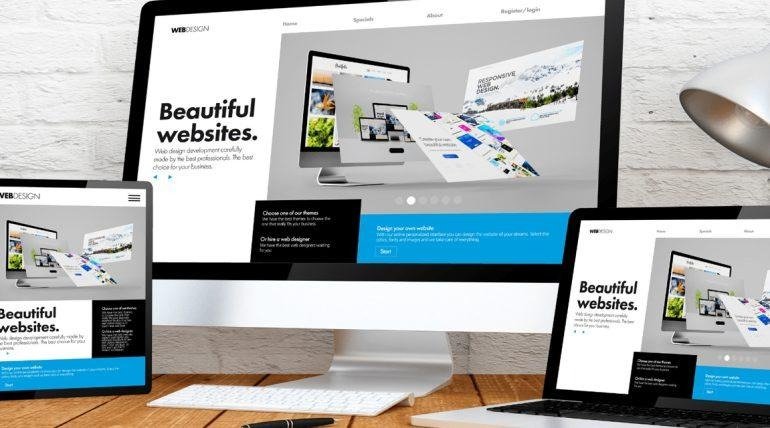
Website design plays a significant role in search engine optimisation (SEO). A visually attractive site alone is not enough; it must also perform well technically.
Clean Code and Structure Improve Visibility
Professional website designers follow best practices for clean code, proper page structure, and fast loading times. These factors help search engines crawl and index pages more effectively, improving visibility in search results.
Page Speed Affects Rankings and Users
Slow websites frustrate users and increase bounce rates. Professional design prioritises performance optimisation, ensuring fast load times across devices. Faster websites not only improve user experience but also support higher search engine rankings.
Branding Consistency Across Digital Channels
A Website design services reinforces brand identity and ensures consistency across all digital touchpoints. This consistency is essential for long-term brand recognition and growth.
Visual Identity Builds Brand Recognition
Colours, typography, imagery, and layout should reflect a brand’s personality and values. Professional designers align these elements to create a cohesive identity that users remember. Strong branding helps businesses stand out in competitive markets.
Consistency Builds Long-Term Trust
When a website aligns with social media, marketing materials, and offline branding, it creates a unified brand experience. Consistency reassures customers that the business is established and reliable.
Scalability and Future Growth
A professionally designed website is built with growth in mind. As a business expands, its website should be able to evolve without major rebuilds.
Flexible Design Supports New Features
Professional websites are designed with scalable frameworks that allow for new pages, services, or functionalities. Whether adding e-commerce, booking systems, or content marketing tools, a well-built site adapts easily.
Long-Term Cost Efficiency
While professional design may require a higher upfront investment, it often reduces long-term costs. Fewer technical issues, easier updates, and better performance lead to lower maintenance expenses and higher returns over time.
Security and Reliability
Website security is an often-overlooked aspect of design, yet it plays a crucial role in protecting both the business and its customers.
Secure Design Protects User Data
Professional designers implement security best practices, including secure hosting, SSL certificates, and regular updates. This protects sensitive customer information and reduces the risk of cyber threats.
Reliability Enhances Customer Confidence
A reliable website that loads quickly, functions smoothly, and remains accessible builds confidence. Customers are more likely to trust and return to a site that consistently performs well.
Conclusion: Professional Design as a Growth Investment
Professional website design is not an optional luxury—it is a strategic investment in business growth. A well-designed website strengthens credibility, improves user experience, supports marketing efforts, and increases conversions. In an increasingly competitive digital landscape, businesses that prioritise professional website design are better positioned to attract customers, build trust, and grow sustainably. By viewing a website as a long-term business asset rather than a one-time project, companies can unlock greater opportunities for success.