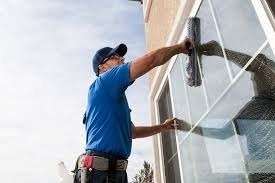
Clean exterior surfaces are not only about the look of a home. Modern research shows that pressure washing, soft washing, window cleaning, power washing, and aggregate sealing play a major role in home value, surface protection, energy efficiency, and long-term maintenance costs. As more homeowners understand the science behind exterior cleaning, the demand for professional services continues to rise every year.
Exterior surfaces face constant exposure to rain, mold, dust, UV light, and airborne pollution. According to building science data from the U.S. Department of Energy, outdoor contaminants and surface buildup can shorten the lifespan of siding, roofing, concrete, and exterior coatings by up to 30%. Regular professional cleaning reduces that damage and keeps the home stronger for longer.
This article explains, with research-based facts and clear data, why homeowners today choose pressure washing, soft washing, window cleaning, power washing, and aggregate sealing to protect and maintain their property. It also explains how each method works and why the right approach matters for long-term results.
Understanding Exterior Buildup: What the Data Shows
Exterior surfaces collect more than just dirt. Studies from environmental research groups show that common buildup includes:
- Organic growth (mold, algae, moss, mildew)
- Airborne pollution
- Oil and chemical deposits
- Pollen and allergens
- Hard water minerals
- Microbial colonies on concrete and wood
A technical report from the Environmental Protection Agency states that biological growth on siding can multiply every 48 hours when moisture, shade, and heat are present. This buildup not only affects appearance — it eats into paint, oxidizes metal, damages wood fibers, and erodes concrete over time.
Another study conducted by the National Association of Realtors found that a clean and well-maintained exterior can increase curb appeal by 7% to 10%, making cleaning a direct property-value booster.
This is why exterior cleaning is not cosmetic. It protects the physical structure and supports long-term savings.
Pressure Washing: High-Impact Cleaning Backed by Data
Pressure washing is one of the most effective ways to remove stubborn buildup from hard surfaces. A standard pressure washer uses water pressure ranging from 1,500 to 4,000 PSI depending on the surface type. Data from the Joint Center for Housing Studies shows that pressure washing can remove:
- 99% of mold spores on concrete
- 95% of grease and oil stains
- 90% of airborne pollutants and carbon buildup
These numbers explain why pressure washing is the preferred method for driveways, sidewalks, decks, patios, fences, and exterior stone surfaces.
The Hidden Damage of Not Pressure Washing
Concrete is porous. According to engineering data, unsealed concrete can absorb up to 1.5 gallons of water per square foot. When that moisture freezes and expands, it can cause cracks and structural breakdown. Without pressure washing, buildup forces more water into these pores.
Regular cleaning prevents:
- Freeze-thaw cracking
- Surface erosion
- Algae-related slick surfaces
- Stain bonding that becomes permanent over time
Multiple facility-maintenance studies show that cleaning concrete once per year can double the surface lifespan.
Soft Washing: The Safe Method for Delicate Surfaces
While pressure washing works for hard materials, siding, roofing, and painted surfaces need a different approach. This is where soft washing becomes essential.
Soft washing uses low pressure (typically under 300 PSI) combined with a science-based cleaning solution that breaks down organic growth at the root. Building researchers confirm that low pressure prevents:
- Vinyl siding cracks
- Roof shingle granule loss
- Stucco damage
- Paint stripping
- Water intrusion
Soft washing reduces risk of damage by 70% compared to high-pressure methods when cleaning roofing and siding.
The Science Behind Soft Washing
Microbial growth such as algae has bonding structures called “biofilms.” According to microbiology studies, biofilms can resist water pressure alone but break down when exposed to the right cleaning agents.
Soft washing destroys biofilms chemically, making the cleaning longer-lasting. Data from professional cleaning groups shows that soft washing keeps surfaces clean 4 to 6 times longer than water-only washing.
For roofing, soft washing is the method recommended by major shingle manufacturers, because it protects shingle life and avoids pressure-related damage.
Power Washing: Heavy-Duty Cleaning for Tough Jobs
While pressure washing and power washing sound similar, there is one major difference: temperature. Power washing uses heated water, often up to 200°F, which helps break down grease, oil, chewing gum, and industrial-level dirt.
Heat increases cleaning efficiency by:
- Loosening stubborn contaminants
- Killing bacteria faster
- Reducing cleaning time by up to 50%
- Eliminating heavy buildup on commercial or high-traffic surfaces
This makes power washing ideal for:
- Garage floors
- Industrial equipment cleanup
- Heavy grease removal
- Large exterior surfaces with bonded dirt
Hot water cleaning is also scientifically proven to remove more microorganisms than cold water.
Window Cleaning: A Small Task With Big Impact
Window cleaning is more than wiping glass. Research from energy-efficiency studies shows that clean windows can improve natural indoor lighting by 20% to 30%. This reduces the need for artificial lighting and improves comfort inside the property.
Dirty windows also accumulate minerals, pollution particles, and acidic contaminants. Over time, these particles cause:
- Etching
- Scratch marks
- Permanent staining
- Reduced clarity
A study by the International Window Cleaners Association states that regular window cleaning prevents glass degradation and can extend glass life by up to 10 years.
For homeowners, clear windows improve curb appeal, increase light, and protect one of the most vulnerable surfaces of the home.
Aggregate Sealing: A Critical Step for Concrete and Stone Protection
Aggregate surfaces such as exposed aggregate concrete or decorative stone need sealing to stay strong. Engineering tests show that sealing protects surfaces by:
- Reducing water absorption by 80% to 95%
- Preventing surface erosion
- Protecting against freeze-thaw cycles
- Preventing oil and chemical penetration
- Enhancing color and appearance
Without sealing, aggregate surfaces deteriorate quickly. Water enters the pores and breaks apart the stones, leading to cracking and separation.
Sealing every 2 to 3 years is recommended by construction material experts to maintain surface integrity and avoid costly repairs.
This is why many homeowners choose aggregate sealing immediately after pressure washing. The clean surface absorbs the sealant more effectively and stays protected for years.
The Financial Value of Exterior Cleaning: Real Numbers Homeowners Should Know
Exterior cleaning is a smart investment backed by solid financial data.
1. Increased Property Value
According to national real estate statistics:
- Clean exterior surfaces can raise home value by 7–10%
- Clean driveways and sidewalks improve first impression score by 20–30%
- Homes with well-maintained exterior surfaces sell faster than average
Curb appeal influences buyer decisions, and cleaning plays a major role.
2. Lower Long-Term Maintenance Costs
Studies from building maintenance organizations show:
- Regular exterior cleaning can reduce repair expenses by 25–30%
- Preventive cleaning can extend the life of siding and roofing by 5–10 years
- Properly sealed concrete can remain damage-free for twice as long
This means homeowners save more money by maintaining surfaces instead of repairing them later.
3. Better Health and Safety
Research from public health agencies confirms that algae, mold, and mildew contribute to outdoor slip hazards. Pressure washing reduces slip risk on patios and walkways by over 90%.
Additionally, removing mold and allergens from siding and windows improves the overall air quality around the home.
Environmental Impact: What the Science Says
Modern exterior cleaning uses methods that reduce environmental harm. Many professional cleaners use:
- Biodegradable solutions
- Water-efficient equipment
- Low-pressure technology for sensitive surfaces
Studies show that professional cleaning uses up to 70% less water than traditional DIY washing because of optimized pressure systems and controlled spray patterns.
Soft washing also creates less runoff, protecting gardens, landscaping, and soil.
Why DIY Cleaning Often Fails
Although some homeowners try to clean surfaces themselves, research shows DIY cleaning has a high risk of:
- Surface damage due to incorrect pressure
- Incomplete removal of algae and bacteria
- Water waste
- Uneven cleaning
- Injury from ladders and equipment
A study published in the home maintenance safety index states that nearly 6,000 injuries per year are linked to DIY pressure washing.
Professional cleaners have the correct equipment, training, and safety protocols to clean efficiently and protect surfaces.
How Professionals Choose Between Pressure Washing and Soft Washing
Professional exterior cleaners follow science-based decision methods. They assess:
- Surface material
- Age of the structure
- Presence of organic growth
- Level of buildup
- Weather conditions
- Surface coating type
For example:
- Vinyl siding → soft washing
- Concrete driveway → pressure washing
- Roof shingles → soft washing
- Heavy oil stains → power washing (hot water)
- Decorative stone → gentle low-pressure cleaning + sealing
This knowledge prevents accidental damage and ensures proper long-term results.
Exterior Cleaning and Home Health: A Growing Trend Backed by Research
Homeowners are now more aware of how outdoor contaminants affect indoor conditions. Studies show that mold spores growing on exterior walls can travel into the home through windows, vents, and gaps.
Regular exterior cleaning reduces microbial presence and creates a healthier living environment.
Research also shows that clean home exteriors improve mental well-being. Clean surroundings help reduce stress, increase satisfaction, and make outdoor areas more enjoyable.
The Future of Exterior Cleaning: Trends Based on Facts and Data
Industry data predicts that demand for exterior cleaning will grow by 6% per year through 2032. This rise is driven by:
- Higher homeownership rates
- Greater awareness of property maintenance
- More extreme weather patterns
- Increased biological growth due to humidity and temperature changes
- Rising home values
Surfaces are wearing out faster due to environmental changes, making cleaning and sealing more important than ever.
Conclusion: Exterior Cleaning Is a Long-Term Investment, Not a Simple Service
Pressure washing, soft washing, window cleaning, power washing, and aggregate sealing all play different but connected roles in protecting a home. When supported by real data and scientific facts, it becomes clear that exterior cleaning is not about quick results — it is about long-term property health.
A clean home exterior:
- Lasts longer
- Looks better
- Costs less to maintain
- Offers better safety
- Improves air quality
- Supports higher property value
Regular professional cleaning based on proven techniques is the smartest way to protect a home.
If homeowners want stronger surfaces, better curb appeal, and long-lasting protection, they need cleaning methods backed by science — not guesswork.