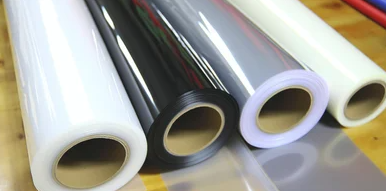
Nobody buys sheeting and thinks much about it. It goes down, it does a job, and life moves on. That attitude works — until it doesn’t. And when it doesn’t, the failure is usually messy, expensive, and completely avoidable. Apolyethylene plastic sheetlooks simple. Pull it off the roll, cut it to size, done. But what’s actually happening inside that material — and why it behaves the way it does under stress, heat, UV, or chemical contact — is worth knowing before it ends up in a critical application.
The Vapour Barrier Mistake
Here’s something most builders don’t catch until it’s too late. Liquid water and water vapour are not the same problem. Polyethylene plastic sheet stops liquid. It slows vapour — but orientation matters enormously. Put it on the wrong side of a wall assembly, or in a subfloor without adequate ventilation, and you’ve created a trap. The sheet stays perfectly intact. The substrate behind it rots quietly.
The sheeting doesn’t fail. The installation logic does. It’s a distinction that rarely gets made until the damage is already visible.
UV Ratings Are Not Equal
Every roll of outdoor-grade polyethylene sold in Australia carries some kind of UV stabiliser claim. What most buyers don’t realise is that those ratings aren’t standardised. One supplier’s product might hold up for a couple of seasons outdoors. Another’s will still be performing well after a decade. The difference is in the type and concentration of stabilisers added during manufacture — specifically hindered amine light stabilisers, or HALS.
This matters more in Queensland or the Northern Territory than it does in Tasmania. The UV load up north is brutal. Products specified for moderate climates chalk out and go brittle in conditions they were never really designed to handle. Asking for independent test data rather than trusting a spec sheet label is the kind of thing experienced procurement teams do. Less experienced ones find out the hard way.
Weld Seams Fail First
In containment applications — pond liners, leachate pits, dam linings — the sheeting panels get heat-welded together on site. The welds are where failures happen. Not because welding is unreliable, but because field conditions vary. Humidity shifts. Ambient temperature drops overnight. A surface that looked clean gets a thin layer of dew on it before the crew gets started.
Samples welded in a lab and tested will pass. Then the same product gets installed on a hot afternoon in red dust and the seam is slightly compromised — invisible to the eye, but not to water pressure over time. Proper liner work needs qualified welders, calibrated equipment, and third-party seam testing. That doesn’t always make it into the purchase order conversation.
Colour Affects Crops, Not Just Aesthetics
Black polyethylene sheeting is the standard choice for agricultural mulching. It suppresses weeds and holds moisture. Both useful. What it also does, though — and this part gets overlooked — is drive soil temperature up significantly during summer. For some crops that’s fine. For others, it pushes root zone temperatures past the point where germination slows or stops.
White or reflective sheeting handles the thermal issue better but trades off some weed suppression. Growers who grab whatever’s available rather than matching the sheeting to the season and the crop type often end up blaming the seed or the weather. The sheeting decision made weeks earlier was the actual variable.
Recycled Grades Need Honest Assessment
Recycled polyethylene has improved a lot. For general-purpose applications — temporary covers, construction protection, non-critical wrapping — it performs well and the sustainability argument is genuine. The issue is when recycled content finds its way into regulated applications.
Post-consumer feedstock introduces variability. Contamination in the recycled stream can affect chemical resistance and mechanical consistency in ways that virgin-grade material simply doesn’t carry. For applications involving potable water contact, food proximity, or environmental containment, Australian standards generally specify virgin-grade material. Using recycled product to shave costs in those contexts doesn’t just risk performance — it can void certification.
Conclusion
The moment polyethylene plastic sheet gets treated as a commodity, the decisions around it get lazy. Wrong density, wrong UV grade, poor weld quality, mismatched colour for the application — none of these are catastrophic individually, but they compound. And they show up well after the job is finished, when tracing the problem back to a sheeting spec is the last thing anyone wants to do. The industries that get consistent results from this material aren’t using anything exotic. They’re just asking the right questions before they order.