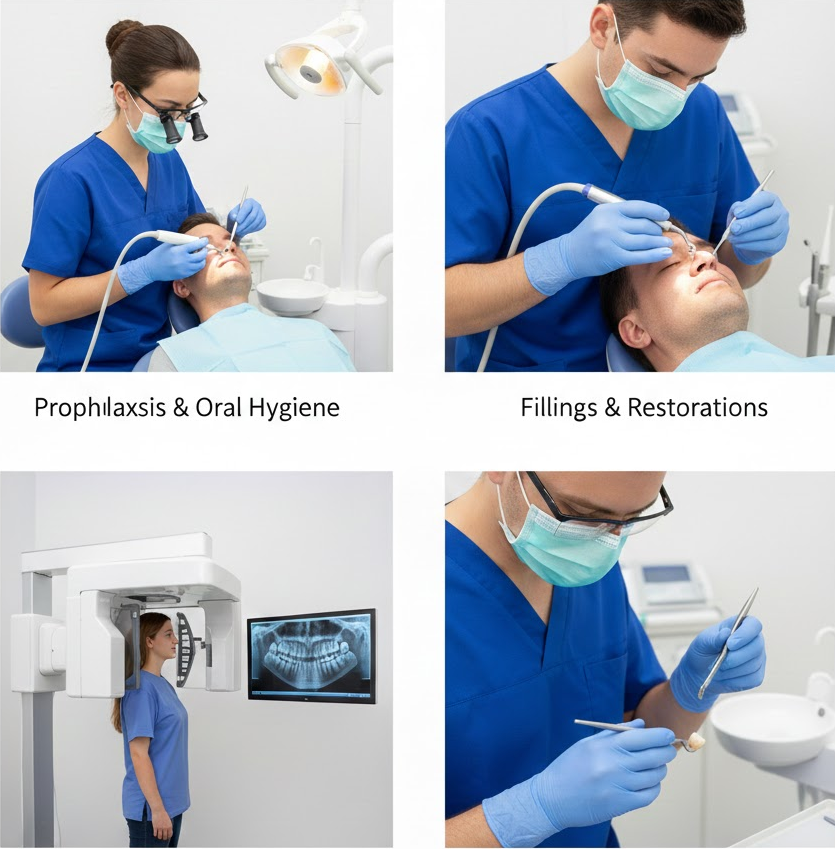
Dental work pulls you in many directions. You manage patients, staff, supplies, insurance, and constant calls. You feel stretched thin. Non-clinical dental support studios now remove much of that weight. These teams handle scheduling, insurance questions, billing, and patient reminders. They free your chairside team to focus on care, not clutter. This shift is not a trend. It is a clear response to burnout, turnover, and rising costs. A North San Antonio dentist feels the same daily strain as one in a small rural town. The pressure to do more with less grows each year. Support studios help you protect your time, protect your staff, and protect your income. They also bring steady systems that do not walk out the door when one person quits. You gain order. Your team gains breathing room. Your patients gain a calmer, more present visit every time.
What Non-Clinical Dental Support Studios Actually Do
Non-clinical support studios handle the work that does not touch a handpiece. They focus on tasks that drain your energy and steal time from patients.
Common services include:
- Answering phones and routing calls
- Scheduling and confirming visits
- Verifying insurance and explaining benefits
- Submitting and tracking claims
- Managing unpaid balances and payment plans
- Handling recall lists and overdue visits
- Watching key numbers like no shows and case acceptance
These jobs look small. Together, they control your day. When an outside team owns them, your in-office staff can stay in the room with patients instead of being stuck at the front desk.
Why Workflows Break Without Support
Dental offices often grow in a rough way. You add staff as you can. You pass down habits from one office manager to the next. Over time, your process gets messy.
Common pain points include:
- Calls going to voicemail during busy times
- Gaps in the schedule that no one fills
- Claims sitting for weeks because no one has time
- Patients confused about costs and coverage
The Centers for Disease Control and Prevention shows that most adults need ongoing dental visits for basic health needs such as cleanings and gum care. When your system fails, people slip away. They miss recalls. They cancel. They do not return.
Broken workflows do more than hurt numbers. They push your team to the edge. Staff juggle ringing phones, upset patients, and insurance rejections. Stress grows. Turnover follows.
How Support Studios Change Daily Life
Non-clinical support studios create clear steps. They use simple, repeatable routines. That structure brings calm to your office.
You can expect three changes:
- Quieter front desk. Fewer rushed handoffs. More eye contact with patients.
- Cleaner schedule. Fewer gaps. Fewer no-shows.
- Faster payment. Clearer insurance answers. Fewer angry calls about bills.
Support studios often use call tracking, screen sharing, and secure messaging. They can see what your team sees. They respond in real time. Yet your staff does not have to carry every task.
Impact on Dentists, Teams, and Families
This change reaches beyond your office walls. It touches your family and your patients at home.
- You leave on time more often. You are not stuck finishing claims after hours.
- Your staff feels seen and supported. They are not blamed for every delay.
- Your patients get clearer reminders and fewer surprises about costs.
The American Dental Education Association points out that access to care is closely tied to how dental offices manage visits and follow-up. Better support means more frequent visits and more steady care for families.
Before and After: Workflow Comparison
| Workflow Step | Traditional In Office Only | With Non Clinical Support Studio |
|---|---|---|
| Incoming calls | Rings at front desk. Staff must choose between the patient at the counter and the caller. | Studio answers overflow calls. The front desk stays focused on the person in front of them. |
| New patient intake | Forms handed out on arrival. Staff type data while phones ring. | Studio gathers details before the visit. Patient signs and reviews only in the office. |
| Insurance checks | Staff calls during short breaks. Many plans stay unverified. | Studio runs checks daily. Coverage details are ready before the visit. |
| Recall and reminders | Postcards and quick calls when time allows. | Studio runs recall lists each week. Texts, emails, and calls follow a set pattern. |
| Unpaid balances | Staff avoids hard talks. Balances build up. | Studio uses clear scripts. Patients hear about early and simple payment options. |
What This Means for Patients
Patients may never hear the phrase non-clinical support studio. They still feel the effect every visit.
They notice that:
- Phones get answered more often by a calm voice
- Reminders arrive on time and match their schedule
- Costs are explained before treatment, not at the end
Families gain trust when every visit feels steady. Children see staff who are present and focused. Parents feel less fear about bills. That trust keeps them returning for cleanings and care before problems grow.
Choosing the Right Support Studio
You should ask clear questions before you shift your workflow.
- What tasks do they handle every day
- How do they protect patient privacy
- How will they train and update your staff
- What reports will you see each week and each month
Look for three signs of a strong partner. They listen. They explain in plain language. They share clear numbers. When those pieces are in place, you can trust the system and turn your focus back to care.
Turning Strain Into Stability
Non-clinical dental support studios are not a luxury. They respond to real strain. They help you stop living in constant reaction and start working with a steady plan.
You protect your time. Your staff feels human again. Your patients feel safe. That change is the real transformation in your workflow.