Australia’s housing landscape is undergoing a remarkable transformation, and it’s happening faster than most people realize. Traditional construction methods are increasingly being challenged by innovative approaches that promise affordability, efficiency, and sustainability. At the forefront of this revolution are modular homes australia, which have captured the attention of first-time buyers, downsizers, and property investors alike throughout 2025.
The shift toward modular construction isn’t just a passing trend—it’s a fundamental response to Australia’s most pressing housing challenges. From soaring property prices in major cities to labor shortages affecting traditional building timelines, modular homes offer practical solutions that align perfectly with contemporary needs. They’re not the prefabricated boxes of yesterday; today’s modular homes rival traditional houses in quality, design, and longevity.
Key Takeaways
- Modular homes can reduce construction costs by 15-30% compared to traditional builds
- Construction timelines are typically 50% faster than conventional housing methods
- Modern modular homes meet or exceed Australian building standards and regulations
- Sustainability features make modular homes more energy-efficient than many traditional homes
- Design flexibility allows for extensive customization to match personal preferences
Understanding the Modular Home Revolution
The modular housing movement represents more than just an alternative construction method—it’s reshaping how Australians think about homeownership. Unlike site-built homes that face weather delays, material shortages, and coordination challenges, modular homes are constructed in controlled factory environments where precision and efficiency reign supreme.
This manufacturing approach brings consistency that’s hard to achieve with traditional building. Each component is measured, cut, and assembled under quality-controlled conditions before being transported to the final site. The result? Homes that meet strict specifications while minimizing waste and reducing environmental impact.
What Makes Modular Homes Different from Traditional Housing
The fundamental difference lies in the construction process itself. Traditional homes are built entirely on-site, with materials exposed to weather and multiple tradespeople working in sequence. Modular homes, however, are constructed in sections (or modules) within a factory, then transported and assembled on prepared foundations.
This factory-to-site approach offers several distinct advantages. Quality control inspections happen at multiple stages during manufacturing, ensuring each module meets specifications before leaving the facility. Materials are stored indoors, protected from moisture and weather damage that can compromise traditional builds. Additionally, concurrent construction—where site preparation happens while modules are being built—dramatically shortens overall project timelines.
The structural integrity of modular homes often surpasses traditional construction because modules must withstand transportation forces. This requirement means they’re engineered to be robust, with reinforced connections and materials that exceed standard building codes.
The Growing Demand for Affordable Housing Solutions
Australia’s housing affordability crisis has reached critical levels, particularly in metropolitan areas where median prices continue climbing beyond reach for average families. This economic pressure has created fertile ground for alternative housing solutions that don’t compromise on quality while delivering significant cost savings.
Modular homes address this affordability gap head-on. By streamlining construction processes and reducing labor costs, manufacturers can offer complete homes at price points that make homeownership accessible to broader demographics. Young professionals, growing families, and retirees are all discovering that modular construction provides a viable path to property ownership.
How Economic Factors Drive Modular Home Popularity
Several economic forces converge to make modular homes increasingly attractive in 2025. Rising construction labor costs have pushed traditional building expenses higher, while modular manufacturers benefit from economies of scale and streamlined workflows. The controlled factory environment reduces waste, with materials purchased in bulk and used efficiently across multiple projects.
Interest rates and lending conditions also play a role. As banks become more familiar with modular construction quality, financing options have improved dramatically. Many lenders now treat modular homes identically to traditional builds, offering standard mortgage products without premium rates or restrictive terms.
Cost Comparison: Modular vs Traditional Builds
Breaking down the numbers reveals compelling differences. Traditional homes in Australia typically cost between $1,800 and $3,500 per square meter, depending on location, finishes, and complexity. Modular homes generally range from $1,500 to $2,800 per square meter—a savings of 15-30% before considering additional benefits.
These savings extend beyond the initial build. Shorter construction timelines mean reduced financing costs, fewer rental payments during the building period, and faster move-in dates. Project certainty is another financial advantage; fixed-price contracts are more common with modular builds, protecting buyers from cost overruns that plague traditional construction.
Hidden savings emerge in ongoing expenses too. Modern modular homes incorporate energy-efficient design elements and materials that reduce utility bills. Tight construction tolerances minimize air leakage, while factory-installed insulation and double-glazed windows enhance thermal performance.
Speed and Efficiency in Construction
Time is money in construction, and modular homes deliver impressive timelines that traditional methods can’t match. While conventional builds might take 12-18 months from groundbreaking to completion, modular homes can be move-in ready within 3-6 months. This acceleration transforms the homebuilding experience, reducing stress and financial pressure on buyers.
The secret to this speed lies in parallel processing. While the building site is being prepared—foundation work, utility connections, and landscaping—factory workers are simultaneously constructing the home modules. This concurrent approach eliminates the sequential delays that add months to traditional projects.
Factory-Built Precision and Quality Control
Manufacturing environments bring precision that’s nearly impossible to achieve on outdoor construction sites. Computerized cutting equipment ensures millimeter accuracy in components, while assembly jigs guarantee consistent module dimensions. This precision means better-fitting parts, tighter seals, and improved overall quality.
Quality inspections happen at multiple checkpoints throughout the manufacturing process. Structural elements are verified before wall panels are attached. Electrical and plumbing systems are tested before modules leave the factory. This systematic approach catches issues early when they’re easiest and cheapest to fix, unlike traditional builds where problems might not surface until much later.
Reduced On-Site Construction Time
Once modules arrive at the building site, assembly happens remarkably quickly. A typical modular home can be set on its foundation and enclosed within days, protecting the interior from weather exposure immediately. This rapid assembly minimizes neighborhood disruption and reduces security concerns associated with lengthy construction periods.
On-site work focuses primarily on securing modules together, connecting utilities, and completing finish work like roofing and exterior cladding. These tasks require fewer specialized trades and shorter timeframes than building from scratch, translating to lower labor costs and faster completion.
Sustainability and Environmental Benefits
Environmental consciousness drives many Australians toward modular homes in 2025. Climate change concerns, rising energy costs, and waste reduction goals align perfectly with modular construction’s inherent sustainability advantages. These homes aren’t just environmentally friendly by accident—they’re designed from the ground up with ecological responsibility in mind.
The construction process itself generates significantly less waste than traditional building. Factory environments allow precise material ordering and efficient use of resources, with scraps often recycled into other projects. On-site waste is minimal since most construction happens in controlled facilities with comprehensive recycling programs.
Eco-Friendly Materials and Building Practices
Modern modular home manufacturers prioritize sustainable materials throughout their supply chains. Engineered timber products maximize wood fiber use while maintaining strength, and many factories source materials from certified sustainable forests. Recycled steel framing options provide durability without depleting natural resources.
Low-VOC (volatile organic compound) materials create healthier indoor environments while reducing environmental impact. Factory application of paints, adhesives, and finishes happens in controlled settings with proper ventilation and waste management, unlike site-built homes where these substances can impact surrounding areas.
Energy Efficiency Standards in Modern Modular Homes
Energy performance represents a key selling point for modular construction. Factory-built precision creates tighter building envelopes with fewer air leaks, reducing heating and cooling demands significantly. Many manufacturers incorporate high-performance insulation as standard, exceeding minimum building code requirements.
Solar-ready designs are increasingly common, with structural reinforcements and electrical provisions built in during manufacturing. This forward-thinking approach makes adding renewable energy systems simpler and more affordable than retrofitting traditional homes. Some manufacturers offer integrated solar packages, with panels installed before delivery.
Water conservation features like efficient fixtures, greywater systems, and rainwater collection capabilities are easily incorporated during the building process. These sustainable elements not only reduce environmental footprints but also deliver ongoing cost savings through reduced utility consumption.
Design Flexibility and Customization Options
One persistent myth about modular homes suggests they all look identical, offering little room for personal expression. Nothing could be further from today’s reality. Modern modular manufacturers provide extensive customization options that rival or exceed traditional building choices, from floor plans to finishes and everything in between.
Buyers can work with designers to create layouts that perfectly match their lifestyles and needs. Whether you’re seeking an open-concept living space, multiple bedrooms for a growing family, or dedicated home office areas, modular construction accommodates diverse requirements. Many manufacturers offer libraries of proven designs that can be modified to suit individual preferences.
From Studio Layouts to Multi-Story Family Homes
The versatility of modular construction spans from compact studios perfect for first-time buyers or investment properties to expansive multi-story family homes with all the amenities of luxury traditional builds. Single-module homes provide efficient living spaces ideal for downsizers or those embracing minimalist lifestyles.
Larger homes combine multiple modules in creative configurations. L-shaped layouts, two-story designs, and homes with attached garages or outdoor entertaining areas are all achievable. Advanced engineering allows for large open spaces without interior support walls, creating the spacious feel that modern homeowners desire.
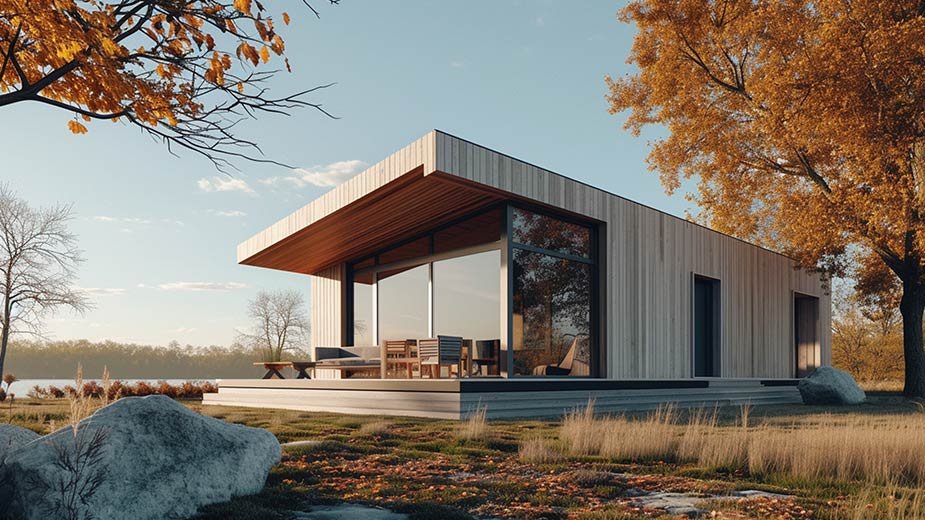
Architectural styles aren’t limited either. Contemporary designs with clean lines and floor-to-ceiling windows, traditional farmhouse aesthetics with verandas and pitched roofs, or coastal styles suited to beachside locations—all are possible with modular construction. External cladding options ensure homes blend seamlessly with their surroundings or stand out as architectural statements.
Technology Integration in Modular Construction
Digital technology has revolutionized how modular homes are designed, manufactured, and assembled. Building Information Modeling (BIM) software creates detailed 3D models that allow buyers to visualize their homes before construction begins. These digital twins enable precise planning, reducing errors and ensuring all components fit together perfectly during assembly.
Automated manufacturing processes incorporate robotics and computer-controlled machinery that enhance precision while reducing production time. This technological sophistication results in consistently high-quality output that meets exact specifications every time, eliminating the variability inherent in traditional construction methods.
Smart Home Features and Modern Amenities
Modular homes increasingly come equipped with integrated smart home technology as standard or optional upgrades. Automated lighting, climate control, security systems, and energy monitoring capabilities are easily incorporated during the building process. Pre-wiring and infrastructure installation happen in the factory, avoiding the challenges and costs of retrofitting these features later.
Modern amenities rival those found in high-end traditional homes. Gourmet kitchens with premium appliances, spa-inspired bathrooms, and entertainment spaces with built-in audio-visual systems are all available. The factory environment actually makes installing complex systems easier since technicians work in comfortable, well-lit conditions with proper access to all building components.
Regional Advantages Across Australia
Modular homes offer unique benefits across Australia’s diverse geography and climate zones. In remote or regional areas where skilled construction labor is scarce and expensive, modular construction eliminates many logistical challenges. Modules arrive largely complete, requiring minimal on-site expertise for final assembly.
Building in bushfire-prone regions requires specific safety features and materials. Modular manufacturers can incorporate these requirements during the design and construction phases, ensuring compliance with regulations while maintaining efficiency. Similarly, cyclone-rated modules for northern Australia are engineered to withstand extreme weather events.
Urban vs Rural Modular Home Applications
Urban applications of modular homes address different challenges than rural installations. In cities where land costs are high, modular construction’s speed advantage means lower carrying costs and faster return on investment for developers. Infill sites benefit from reduced neighborhood disruption since most construction happens off-site.
Rural and regional modular homes often emphasize self-sufficiency features. Solar power systems, water tanks, and septic capabilities allow placement on properties without municipal services. The ability to transport completed modules to remote locations opens up land options that would be impractical for traditional construction.
Overcoming Common Misconceptions
Despite growing acceptance, several misconceptions about modular homes persist. The most common myth suggests they’re inferior to traditional construction—a belief thoroughly debunked by building code compliance, engineering certifications, and real-world performance data. Modular homes must meet identical standards to site-built houses, often exceeding them due to transport requirements.
Another misconception involves resale value. Recent market data shows well-maintained modular homes appreciate comparably to traditional houses in similar locations. As awareness grows and more modular homes enter the market, this perception continues improving among buyers, real estate agents, and appraisers.
Financing concerns have also diminished as lenders recognize modular construction quality. Major banks now offer standard mortgage products for modular homes without premium rates or restrictive terms, treating them identically to traditional construction loans.
Financing and Insurance for Modular Homes
Securing financing for modular homes has become substantially easier as the industry matures. Most major lenders offer construction-to-permanent loans specifically designed for modular building, with terms matching traditional construction financing. These loans convert automatically to standard mortgages upon completion, eliminating the need for separate transactions.
Insurance providers similarly treat modular homes the same as site-built properties for coverage purposes. Standard homeowners insurance policies apply, with premiums based on location, home value, and coverage levels rather than construction method. The structural strength of modular homes may actually result in lower premiums in some cases.
Government programs supporting first-home buyers increasingly recognize modular construction as a viable option. Grants, stamp duty concessions, and other incentives typically apply equally to modular and traditional homes, provided they meet program requirements for value, location, and buyer eligibility.
The Future Outlook for Australia’s Modular Housing Market
The trajectory for modular homes in Australia points strongly upward. Industry analysts project continued growth as awareness expands and more Australians experience the benefits firsthand. Technological advances will further improve efficiency, quality, and design possibilities while potentially reducing costs even more.
Government housing initiatives increasingly incorporate modular solutions for affordable housing projects, emergency accommodation, and remote community development. This official endorsement validates the approach while creating economies of scale that benefit private buyers through improved manufacturing efficiency and reduced costs.
Climate change adaptation and net-zero emissions goals align perfectly with modular construction’s sustainability advantages. As building codes evolve to mandate higher energy performance standards, modular manufacturers are well-positioned to meet and exceed these requirements efficiently. The industry’s ability to rapidly implement innovations gives it distinct advantages over traditional construction’s slower adaptation cycles.
Making Modular Homes Work for You
The modular home revolution sweeping Australia in 2025 represents far more than a construction trend—it’s a fundamental shift toward smarter, more sustainable, and more accessible homeownership. By combining factory precision with design flexibility, these homes deliver quality that matches or exceeds traditional builds while offering significant time and cost advantages.
Whether you’re a first-time buyer seeking affordability, a family needing quick occupancy, or an environmentally conscious homeowner prioritizing sustainability, modular construction provides compelling solutions. The industry’s maturation means better financing options, wider design choices, and growing acceptance across the real estate market.
As Australia continues grappling with housing affordability challenges and environmental imperatives, modular homes stand ready to play an increasingly central role in the nation’s residential landscape. The question isn’t whether modular construction will continue growing—it’s how quickly the rest of the market will catch up to what early adopters already know: modular homes represent the future of Australian housing.