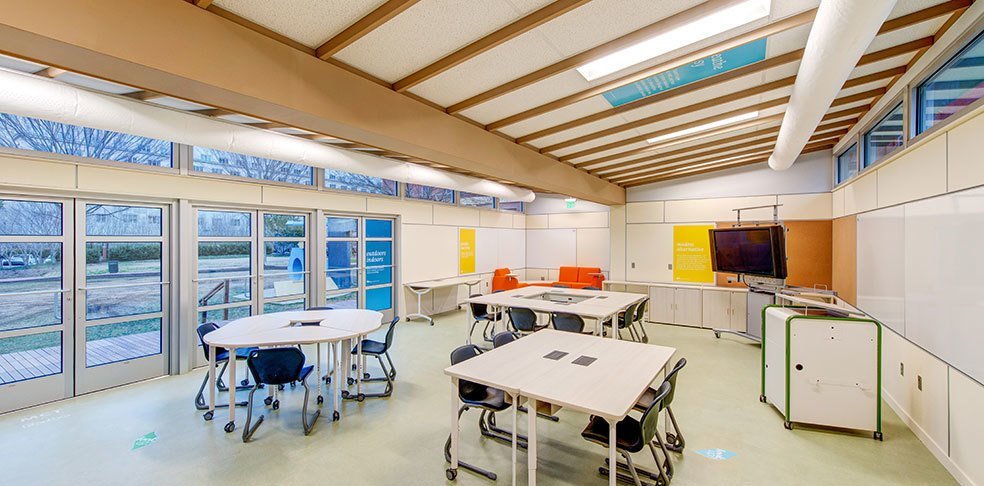
The landscape of primary education is undergoing a quiet but powerful transformation. As schools face increasing enrollment, limited budgets, aging infrastructure, and the pressure to modernize quickly, a new solution has emerged—modular buildings. More specifically, modular classrooms have become a preferred choice for many institutions looking to expand efficiently without compromising quality, safety, or long-term value.
In fact, many schools are now turning to modern solutions like modular classrooms to tackle space shortages, upgrade learning environments, and future-proof their campuses. This shift isn’t a trend—it’s a strategic response to the evolving needs of education.
Below, we explore why modular buildings for primary schools have surged in popularity and how they provide a smarter, more economical path compared to traditional construction.
The Education Sector’s Growing Need for Smarter Infrastructure
Primary schools today face challenges that didn’t exist decades ago: fluctuating student populations, the demand for flexible teaching areas, and tighter financial constraints. Traditional brick-and-mortar expansions often take months—sometimes years—to complete. Meanwhile, schools must manage safety concerns, noise, disruption, and increased costs.
This is where modular classrooms offer a breakthrough. Not only are they quicker to build and install, but they also come with a host of economic and practical advantages.
What Makes Modular Classrooms More Economical?
When school administrators first explore modular buildings, cost-efficiency is usually one of their biggest motivators. But the real value comes from a combination of benefits, not just price alone.
1. Faster Construction = Lower Overall Costs
Modular buildings are manufactured off-site in controlled factory environments. This reduces delays caused by weather, labor shortages, and on-site complications.
A school can have fully equipped modular classrooms delivered and installed during school holidays, eliminating disruption and minimizing downtime.
2. Predictable Budgets
Traditional construction projects often run over budget due to unexpected issues. Modular construction is different. Because most of the process happens off-site, schools receive accurate cost estimates and fewer surprise expenses.
This financial predictability is invaluable for primary schools working with fixed or limited budgets.
3. Reduced Labour and Site Impact
Site preparation for modular units is significantly simpler, resulting in fewer contractors needed on school grounds. That means:
- Lower labor costs
- Safer school environments
- Faster installation timelines
4. Long-Term Energy Efficiency
Modern modular classrooms are built to high insulation and ventilation standards. Many feature energy-efficient windows, advanced climate control systems, and environmentally friendly materials.
Lower energy consumption leads to ongoing savings year after year.
5. Flexible Expansion Without Financial Risk
Schools can add more units as needed without committing to massive, long-term construction projects. This scalability protects schools from overspending and allows them to adapt to enrollment changes effortlessly.
Enhancing the Learning Environment
While cost is important, the learning environment in primary schools matters even more. Luckily, modular buildings excel in this area as well.
Bright, Spacious, and Adaptable Interiors
Today’s modular buildings feature:
- Custom storage solutions
- Natural lighting
- Acoustic design for quiet learning
- Open floor plans
- Interactive learning zones
These enhancements create a setting where young children can stay engaged and focused.
Inclusive and Accessible Design
Primary schools must support children with diverse needs. Modular classrooms can be built with:
- Wheelchair-accessible ramps
- Wider doorways
- Sensory-friendly environments
- Adjustable lighting
- Safe, child-friendly finishes
Sustainability for Future Generations
Environmental responsibility is becoming a priority in education. Modular buildings are inherently more sustainable due to reduced waste, recyclability, and energy-efficient construction methods.
Why Primary Schools Are Making the Switch
Across the UK, more schools are choosing modular solutions because they align with long-term planning and educational excellence. They combine the durability of traditional buildings with the flexibility required in today’s rapidly changing academic world.
Some of the biggest reasons primary schools prefer modular include:
- Minimal disruption to the school’s daily schedule
- Fast deployment, especially for urgent space needs
- Custom design options for different teaching styles
- Compliance with all building and safety regulations
- Ability to move or repurpose units as needs evolve
In short, modular buildings solve problems before they become expensive challenges.
The Future of Education Is Modular
With increasing pressure to modernize education infrastructure affordably, modular buildings have become a cornerstone of future-ready school planning. They allow primary schools to grow responsibly, provide high-quality learning environments, and make financially smart decisions.
And with experienced providers offering solutions like modular classrooms, schools no longer need to wait years for upgrades—they can build better learning spaces now.
Final Thought
Primary schools deserve spaces that inspire, protect, and empower young learners without draining their budgets. Modular buildings offer exactly that.
From cost savings to environmental efficiency and rapid deployment, modular classrooms are reshaping how educational environments are built. They give schools the freedom to expand intelligently, adapt to change, and invest in long-lasting solutions that benefit both students and teachers.
By embracing modern construction methods like modular classrooms, primary schools are not only solving today’s challenges—they’re building the foundation for a more flexible and sustainable future.