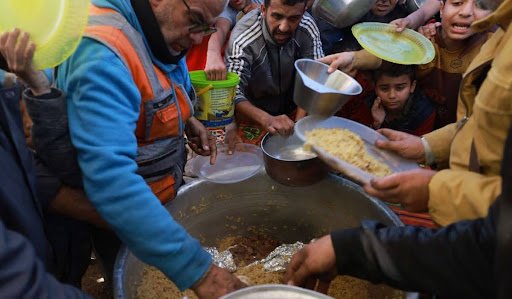
Emergency situations use food assistance as a vital method that delivers life-saving humanitarian support. The current crisis in Gaza needs ongoing worldwide support because the food for Gaza projects need to provide essential food assistance to those in need. The many conflicts that destroyed infrastructure between them produced a food crisis calling for fast humanitarian aid to save lives, maintain social stability, and prevent lasting societal damage. Humanitarian organisations focus on the fact that millions of Gaza inhabitants will experience starvation, malnutrition, and starvation-like conditions, devoid regular access to food.
Nutritional protection for vulnerable people
Food support is the primary means of preventing major undernutrition, which affects expectant mothers, nursing moms, and young children. In some parts of Gaza, the rates of death and sickness have been greater as a result of escalating levels of children’s malnutrition. According to UN statistics, if food access remains inconsistent, tens of thousands of children could develop acute malnutrition in the next few years. The long-term impacts of malnutrition create multiple health problems. Brain development, physical growth and immune system function all suffer permanent damage from this condition. Emergency food distribution to children enables them to survive disasters while their health prospects improve during times of recovery.
Backing food networks harmed by collapse
Many of Gaza’s native food production systems have been wrecked by conflict. The operational capacity of supply chains, bakeries and farms has sustained permanent damage. Running out of wheat flour and cooking gas caused the human kitchens and bakeries to stop functioning for a time. The collapse of the local food networks drives individuals to depend on outside food help as their only reliable source of nutrition. Restoring agricultural systems and supply chains requires long periods, as food supplies have to be restored first. Emergency food aid distribution helps communities close the gap between current needs and future demands.
Prices should be stabilised to prevent economic meltdown.
The newly established Eurozone needs two major economic reforms to achieve its goal of price stability. Food scarcity usually causes significant price increases. The prices of basic commodities in Gaza have increased substantially because of supply shortages that affected flour and other essential goods. High food prices make it difficult for even families with some financial capacity to purchase meals. Emergency food distribution systems establish market stability because they deliver additional food supplies, which reduce consumer panic buying and hoarding activities. The economy maintains its fundamental stability through essential food supply maintenance, which supports the post-war rebuilding process and rehabilitation efforts.
Supporting preventative measures for illnesses
Health and nourishment establish a connection which requires both elements to function together in order to achieve better health outcomes. Proper food intake remains essential for people because their risks of becoming ill increase when they fail to consume enough food. The situation becomes more dangerous in crisis zones, where medical systems face both destruction and excessive demand for their services. The combination of Gaza’s destroyed health system and lack of clean water access makes malnutrition more dangerous to the population. Humanitarian food assistance works to reduce medical facility demand because it helps prevent diseases that result from poor nutrition. Emergency feeding programs provide fortified meals, which contain essential minerals and vitamins to their patients. These improve general survival rates in crises and help to avoid illnesses related to vitamin deficits.
Preserving humanitarian stability and avoiding the next catastrophe
For both immediate survival and avoidance of long-run humanitarian catastrophe, a constant food supply is crucial. Experts caution that even if changes happen, sustained assistance and humanitarian access are necessary since benefits can swiftly reverse without either. Although food aid has occasionally covered minimum nutritional requirements, recent research reveals that many families still only get survival-level support, which is sensitive to the condition. Dependable food assistance also helps to stabilise society. Often resulting in displacement, social unrest, and long-term poverty circles is hunger. Making sure communities have a constant food supply helps them to be resilient and gives humanitarian organisations time to restore basic facilities.
Conclusion
Humanitarian emergency relief operations for Gaza humanitarian aid operations depend on food distribution as their main operational component. Emergency food programs prevent famine while protecting children from dangerous malnutrition conditions, which result from local food distribution systems collapsing. Emergency food assistance programs protect market systems while they strengthen weak healthcare networks and prevent additional human fatalities. Experts maintain that the situation remains vulnerable because it depends on continuous humanitarian assistance despite showing some progress. The people of Gaza require constant food access because it provides them with basic survival needs and protects their human dignity, and ensures future generations will have access to essential resources, which will help them achieve permanent recovery and stability.
References