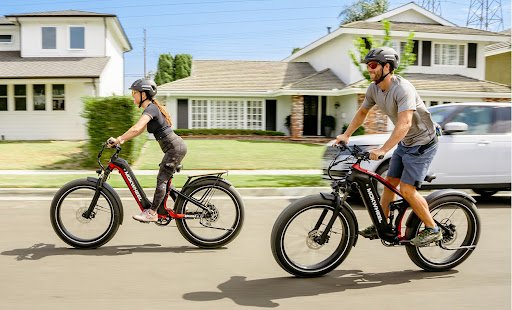
Urban commuting is changing. Longer travel distances, tighter time windows, and increasingly unpredictable road conditions are pushing people to rethink what they rely on for daily transportation. Expectations are shifting away from simply “being able to ride” toward whether a solution can realistically support long-term, everyday use.
Against this backdrop, electric bikes are no longer just an alternative option. They are becoming a regular part of daily commuting for more riders. At the same time, faster electric bikes are emerging as a clear and understandable trend.
Urban Commuting Doesn’t Call for Unlimited Speed
When people hear “faster” electric bikes, the first assumption is often risk or aggression. In real-world commuting, however, the idea of a fast ebike is far more controlled than it might sound.
Bikes commonly used for high-efficiency commuting follow the Class 3 standard, meaning they assist only while pedaling, with assistance capped at 28 mph. Speed gains come from maintaining the cycling experience, not replacing it.
This clearly defined boundary allows riders to improve commuting efficiency without losing the flexibility and access that make bikes practical in city environments. “Faster,” in this sense, isn’t about pushing limits—it’s about smoother, more predictable daily rides.
Why 28 mph Has Become a Practical Commuting Sweet Spot
In urban riding, the biggest challenge is rarely top speed. It’s consistency. Traffic lights, changing traffic flow, and uneven road conditions all make short bursts of speed largely irrelevant.
What matters more is the ability to maintain a steady cruising pace within legal limits. That’s why more electric bikes are being designed around the 28 mph range: it delivers meaningful time savings without adding regulatory complexity or usability barriers.
At this level, riders retain the agility of cycling while gaining a pace that fits real commuting demands—making daily riding more manageable and easier to sustain over time.
“Faster” Often Means Easier, Not More Intense
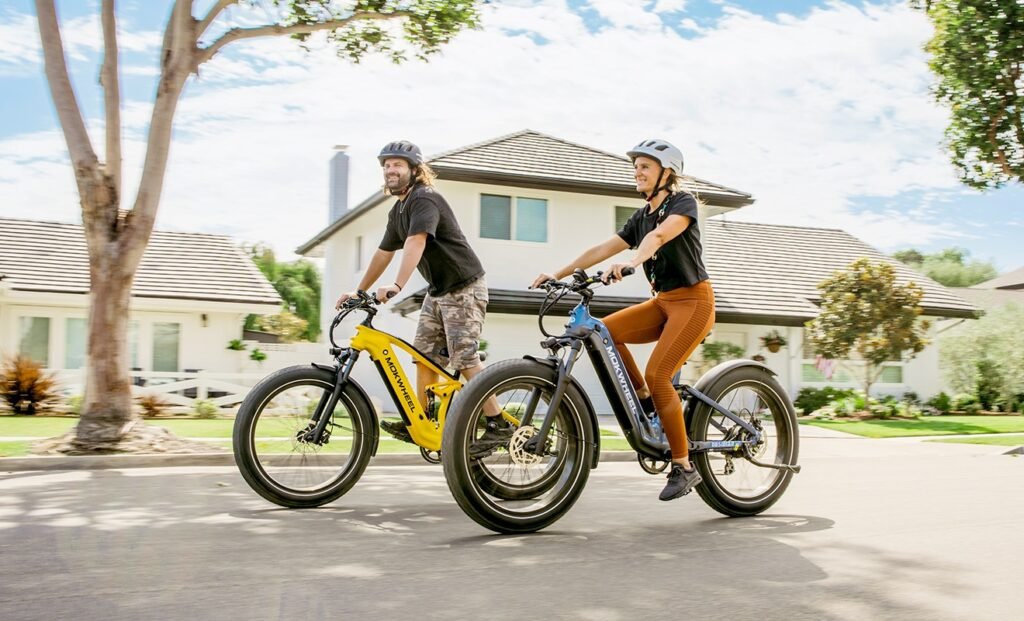
In everyday use, the value of a fast ebike isn’t about riding at maximum speed all the time. It’s about having enough power and momentum in reserve. Stronger assistance during starts, acceleration, and cruising allows riders to maintain pace with less effort. Instead of constantly pushing to keep up, the ride becomes more relaxed and controlled.
In commuting scenarios, speed often translates into reduced strain rather than increased intensity.
A Clear Pattern Is Emerging in Fast-Commuter Bike Design
Bikes built specifically for frequent urban commuting are starting to share similar design priorities. Models like the Tarmac and Asphalt series are designed around the 28 mph pedal-assist limit, focusing on real-world efficiency rather than performance spectacle. Their emphasis lies in practical outcomes:
- maintaining a consistent rhythm between stops and cruising
- reducing how often riders need to recharge during the workweek
- and lowering physical fatigue in everyday traffic conditions
Tarmac leans toward higher efficiency for longer or more demanding commutes, with more immediate power response. Asphalt balances power and comfort, making it better suited for routine, repeatable daily rides. In these cases, speed isn’t the goal—it’s a byproduct of stable, well-supported commuting.
Faster Ebikes Reduce Day-to-Day Commuting Uncertainty
What makes commuting exhausting isn’t usually the average travel time, but how much it varies. A slow start, a tough incline, or fatigue toward the end of a ride can quickly throw off the entire trip.
Within a controlled speed framework, fast ebikes help smooth out these inconsistencies. Having extra speed and power available allows riders to complete the same route with less effort, making daily outcomes more predictable. From this perspective, faster ebikes aren’t an aggressive choice—they’re a more conservative and sustainable one.
Speed, Stability, and Sustainability Go Hand in Hand
Faster electric bikes are becoming a normal part of urban commuting, not because riders want to break rules, but because the rules already allow enough efficiency. When an electric bike delivers stable output, predictable handling, and long-term usability within established limits, riding stops feeling like a drain. It becomes a manageable, reliable part of everyday life. That’s why more riders browsing ebike for sale options are paying closer attention to speed—not as a thrill factor, but as a foundation for consistent, everyday commuting.