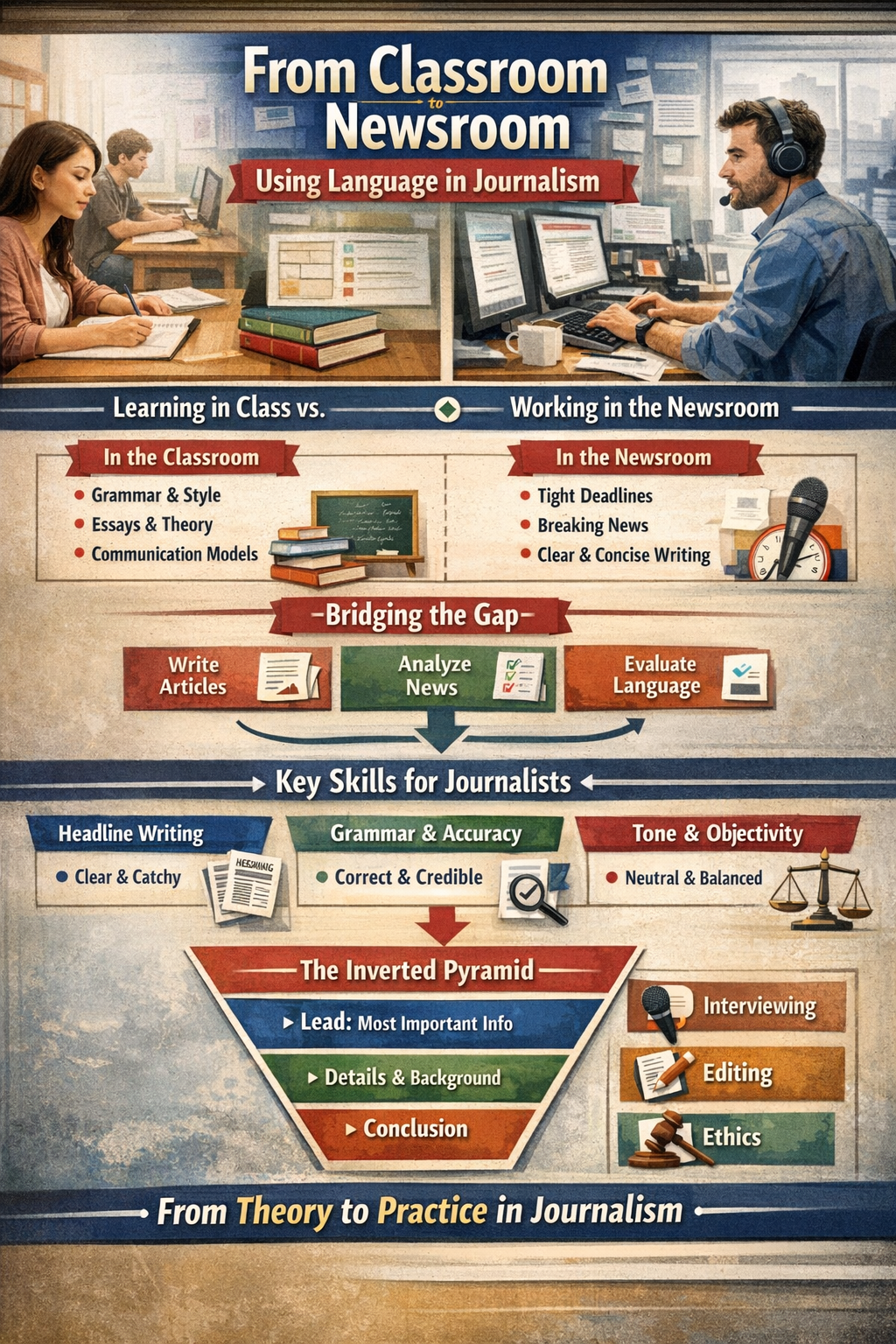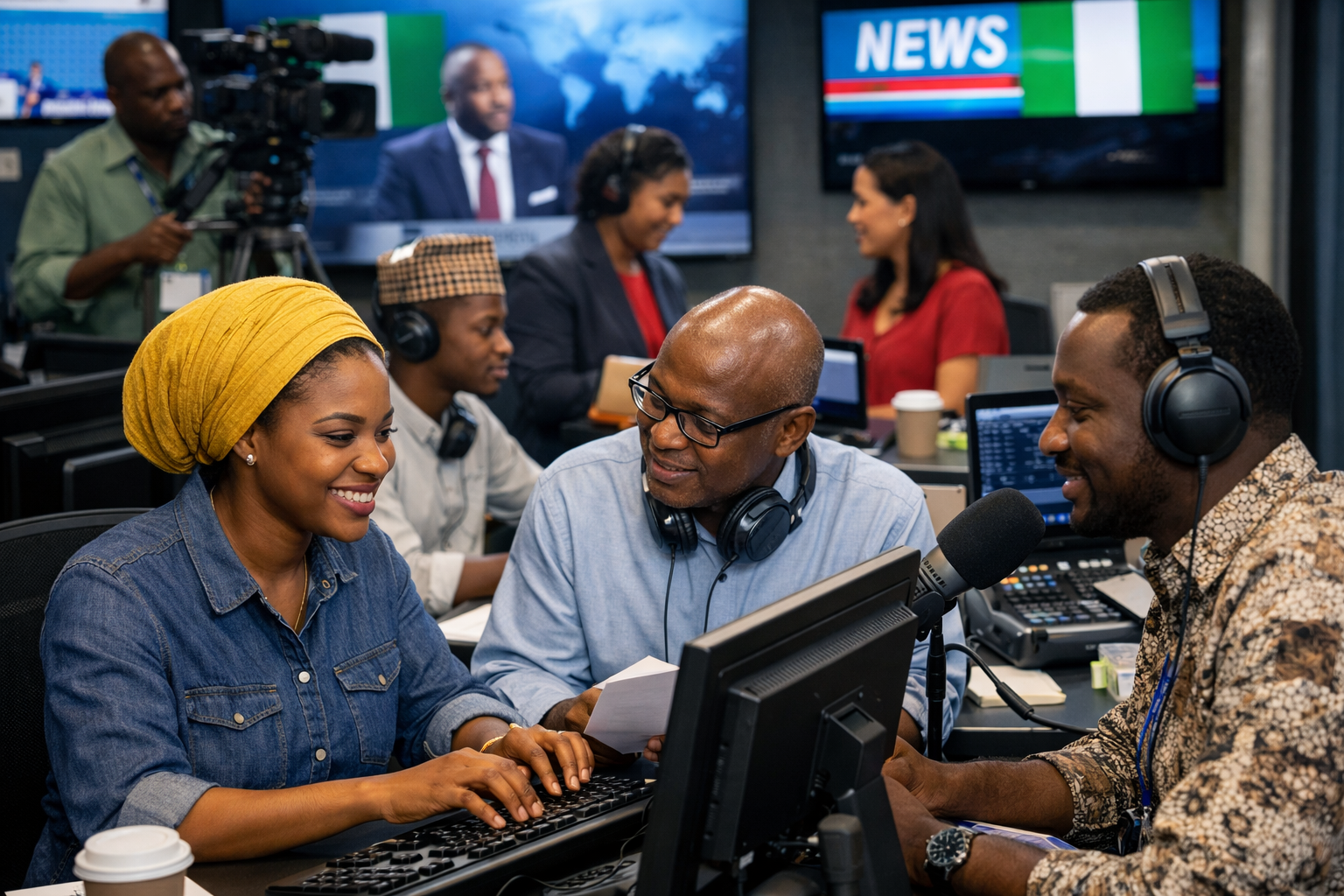
Nigeria is a highly diversified country in terms of language, having more than 500 native languages spoken in its regions. On such a complicated platform, a medium of communication that binds everything together is not only necessary, but it is also crucial. This is where English is the key at the center since the official language of communication in Nigeria, the pillar of governance, education, and more so, mass communication. In the media world of journalism, broadcasting, and the internet, “English Language Mastery”, is not only a competency but also a professional requirement.
English is a neutral and generally accepted language that transcends language barriers and offers information access to a national audience.
This paper discusses the reasons why English proficiency is essential in mass communication in Nigeria, reasons pertaining to clarity, national unity, and professionalism, and the issues of having a multilingual country.
English Language Mastery: The Role in Nigerian Media
A Uniting Medium of Diversity
The cultural richness of Nigeria in terms of linguistic diversity is a major communication problem. Media houses have to serve the needs of various ethnic, cultural, and linguistic groups. The use of English as a neutral ground removes any prejudice against a certain ethnic group.
The practice of using English by media practitioners means that news, publicity, and entertainment materials are made available to more people. The spread of national information would be inefficient, thus, without such a unifying language.
Standardization of Communication
Consistency is very important in mass communication. The English language offers a standardized system of grammar, words and expression. This standardization is to ensure that:
Communication is uniform across platforms
The audience interprets the information in the same manner.
Miscommunication is minimized
For journalists and broadcasters, such uniformity is paramount for accuracy and trust.
Improving Transparency and Comprehensibility
Accuracy in Delivery of Messages
Effective media practice is based on clear communication. The English language, through its clearly defined grammar and broad range of words, enables the communicator to convey ideas accurately.
In journalism, this is the case; one may cause misinformation or misinterpretation due to ambiguity. A well-structured sentence in the English language can only convey complicated concepts so that the listeners and readers of such a sentence can comprehend the intended message.
Reducing Misinterpretation
When working in a multilingual society, it is common to lose meaning when translating between languages. Through the use of English as the major medium, information integrity is maintained as media practitioners do not have to translate the information all the time.
In particular, clarity is essential in:
- Breaking news reporting
- Public health announcements
- Governmental policies and guidelines.
Even a slight misperception can be disastrous in such situations.
Promoting National Cohesion
Closing Ethnic and Cultural Gaps
The diversity of the Nigerian population has been a strength and a challenge. The differences in languages may even strengthen divisions. The English language assists in closing such gaps by offering a common language platform.
When people in various regions are fed the same content in English by the media, they develop a common understanding of the national matters. This mutual understanding brings about a sense of unity and belonging.
Supporting Democratic Participation
A democratic society must have an educated population. English enables citizens of various languages to be able to get the same political information, discussions, and voting news.
This inclusivity makes sure that:
- Citizens are able to participate in national discussions.
- The political information is available to more people.
- There is openness in democratic processes.
- Developing Media Professional Standing.
- Language as a Signifier of Expertise.
Credibility is all in mass communication. The presentation of a message tends to have an impact on perception. Proficiency in English is an indicator of professionalism, competency and authority.
Grammatical, spelling, or sentence construction mistakes can destroy the trustworthiness of a journalist or media house. People will put more faith in well-written and clearly articulated content.
Meeting Global Standards
The media industry in Nigeria is becoming more and more linked to the world information system. Being proficient in English enables Nigerian media specialists to:
- Work with global institutions.
- Get international news channels.
- Post articles in foreign markets.
This internationality adds strength to the image of the Nigerian media in the international arena.
The Digital Media and Emerging Platforms of English
Going Global in the Digital Era
The emergence of digital media has altered the consumption of information. Social media, blogs, and online news sources are very dependent on English to communicate with a wide range of people.
English-written content is more likely to have greater potential:
- Search engine visibility
- Social media engagement
- Cross-border reach
This renders English proficiency as a vital skill of digital communicators.
Learning to Live with New Communication Styles
Whereas traditional journalism is based on formal English, digital platforms may demand a more conversational style. Language proficiency allows communicators to tailor their style without undermining their clarity or professionalism.
Such adaptability plays a major role in attracting younger audiences and keeping up with the fast-paced media environment.
English Language Use: Problems in a Multilingual Society
Impaction of Indigenous Languages
Indigenous language interference is one of the greatest problems of communicators in Nigeria. This usually results in:
- Code-switching
- Direct translation errors
- Accidental shifts in meaning.
As much as these influences make communication rich in informal situations, they may lower competence in professional media texts.
Proficiency Level Differences
Not all Nigerians have the same level of proficiency in English. This gap may cause a gap in communication, especially where local languages are more prevalent in the rural regions.
The media practitioners need to balance between the need to uphold the Standard English and make the media available to audiences who may have diverse levels of comprehension.
English Language Mastery and the Emergence of the Pidgin English
The use of the Nigerian Pidgin has gained popularity, especially in broadcasting and digital media. Although it increases the level of relatability and involvement of the audience, it also provokes concerns regarding the level of professionalism and standardization.
The problem is which one to utilize Pidgin, and which one to preserve formal English in accordance with the situation and the target audience.
Tips on Mastering English in Mass Communication
Ongoing Training and Education
Professionals in the media need to invest in continuous training in language. Grammar, vocabulary, and writing style can be improved with the help of workshops, courses, and editorial feedback.
Strong Editorial Processes
Good editing will make sure that the content is of high linguistic quality. The editors are critical in:
- Correcting errors
- Enhancing clarity
- Maintaining consistency
- Leveraging Technology
Writers can use digital tools like grammar checkers and style guides because they will assist them in creating quality content. Nevertheless, these tools are supposed to be used to supplement rather than substitute good language abilities.
Conclusion
“English Language Mastery” is not only an educational need in Nigeria, but it is also a practical need to facilitate mass communication. Being the official language, it offers a common ground that brings clarity, national unity, and professionalism.
The capacity to speak fluently and precisely in the English language in a multilingual society is a guarantee of the smooth flow of information across cultural and linguistic barriers. Even though issues like language interference and differences in the level of proficiency are here to stay, they can be resolved through education, training, and strategic communication practices.
Finally, the survival of mass communication in Nigeria is pegged on the further art and successful application of English. It still stands as the linking factor between the different voices, educating the masses and the honesty of the media business.