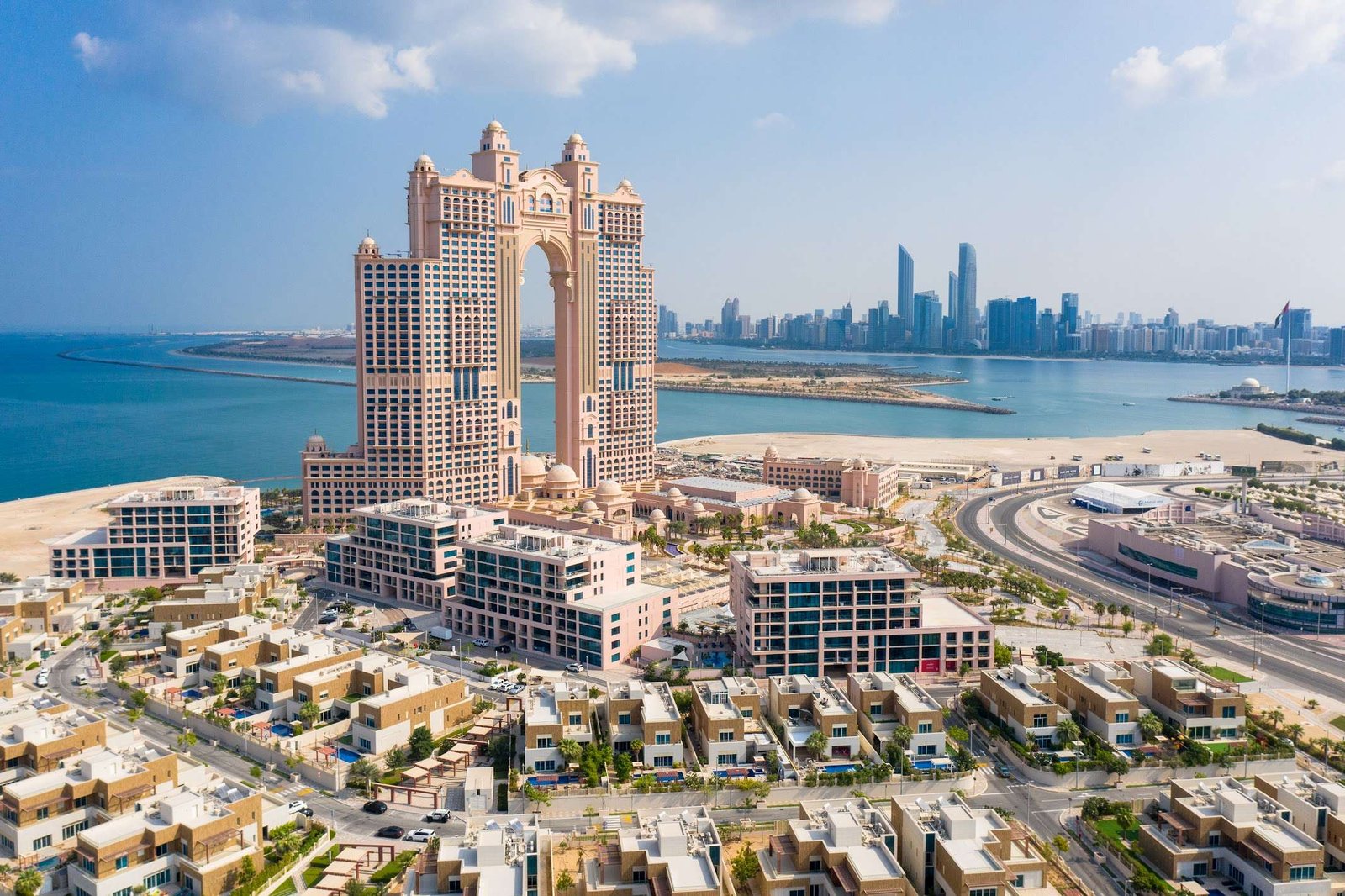
Dubai has emerged as one of the most dynamic real estate investment hubs on the global stage. Over the past decade, it has attracted capital from around the world and maintained interest through varying economic cycles. Unlike markets that rely on short term trends or speculative activity, Dubai’s real estate ecosystem is grounded in structural advantages that are appealing to a broad range of domestic and international investors.
In this article, we explain why Dubai is considered one of the most dynamic real estate investment hubs in the world. We examine the foundational market characteristics, the drivers of sustained demand, the investment environment, and the trends that continue to differentiate it from other markets.
A Real Estate Market Built for Global Participation
From its inception, Dubai’s property market was designed to support international participation. Foreign nationals can own property in designated areas with full legal rights. Property transactions are regulated, standardized, and documented through centralized systems that enhance transparency and protect investor interests.
Another important factor is the connection between real estate and residency options. Property ownership can provide eligibility for long term residence visas, allowing investors to align real estate decisions with personal relocation, family planning, or business establishment.
These factors together have helped Dubai attract a wide spectrum of investors, including:
- Individual buyers seeking rental income and capital preservation
- High net worth individuals looking to diversify wealth globally
- Institutional participants managing international portfolios
This diverse participation supports market liquidity and reduces dependence on any single investor segment.
Strong Regulatory Framework and Transparency
A major contributor to Dubai’s dynamism as a real estate hub is its regulatory environment. The market is governed by clear rules and oversight from authorities including the Dubai Land Department and the Real Estate Regulatory Agency. These bodies manage property registration, broker licensing, escrow protection for buyer funds, and advertising standards for developers.
Key elements of Dubai’s regulatory framework include:
- Centralized title registration to confirm ownership rights
- Escrow requirements for off plan projects to protect investor funds
- Licensing and compliance standards for brokers and agents
This regulatory clarity reduces risk and increases confidence among international buyers who may be unfamiliar with local legal systems. The result is broader participation and deeper engagement from global capital.
Economic Diversification and Global Connectivity
Dubai’s economy has diversified beyond traditional sectors, developing strong capabilities in trade, logistics, tourism, finance, and technology. This diversification has a direct impact on real estate demand by supporting employment growth, consumer spending, and cross border business activity.
Population growth continues to be a key driver of real estate demand. Dubai’s population has grown significantly through international migration and workforce expansion. As more professionals relocate for employment, education, or lifestyle opportunities, demand for housing grows in multiple segments, supporting both rental and ownership markets.
In addition, Dubai’s geographic location positions it as a global business hub, linking Asia, Europe, Africa, and the Middle East. Its airport is one of the busiest in the world by international passenger volume, and its infrastructure supports global trade and investment flows. This connectivity enhances the appeal of Dubai real estate for international investors seeking exposure to global economic activity.
Tax Efficiency and Investment Friendly Policies
Dubai’s tax environment is among the most favorable in the world for real estate investors. There are no annual taxes on property ownership, no capital gains taxes on property sales, and no taxes on rental income. These features allow investors to retain a larger portion of investment returns compared with many other major cities where taxes are a significant cost component.
In addition, freehold ownership options for foreign buyers are available in many communities, enabling full legal ownership without local sponsorship requirements. This policy has been in place for many years and has helped Dubai attract sustained foreign capital.
The combination of tax efficiency, ownership rights, and regulatory transparency makes Dubai one of the most investor friendly real estate markets globally.
Diverse Investment Opportunities
Dubai’s real estate market is broad and varied, offering investors multiple strategies and property types. The availability of diverse asset classes contributes to the city’s dynamism as an investment hub. Investors looking to invest in Dubai real estate can choose from options that align with different objectives and risk profiles, allowing them to build portfolios that match their income and growth goals.
Common categories include:
- Prime residential properties in well established communities
- Mid market housing with consistent rental demand
- Off plan developments with structured payment plans
- Short term rental properties supported by tourism and business travel
This range allows investors to choose based on their risk tolerance, investment horizon, and income objectives. It also supports market participation at multiple entry points and price levels.
Continued Infrastructure Investment and Urban Development
Sustained investment in infrastructure and urban planning is a hallmark of Dubai’s real estate landscape. Large scale projects and master planned communities are reshaping the city’s urban footprint. Improvements in transport connectivity, public amenities, and mixed use development enhance livability and support long term property demand.
A focus on innovation and community design further differentiates Dubai from markets that rely solely on price movements. Developers are increasingly incorporating sustainability features and quality of life amenities, which contribute to both investor confidence and occupant satisfaction.
Market Maturity and Balanced Growth
Dubai’s real estate sector has matured significantly. While demand remains strong, increased supply in certain segments has led to a more balanced market when compared with previous periods of rapid price growth. This balance supports stability and can reduce volatility, making the market more attractive to investors with a long term perspective.
Balanced growth also encourages improved supply quality, better pricing transparency, and more competitive offerings for buyers and tenants.
Conclusion
Dubai is becoming the world’s most dynamic real estate investment hub because of its combination of global accessibility, regulatory clarity, economic diversification, investor friendly policies, and investment opportunity variety. These elements work together to support sustained interest from domestic and international capital.
For investors seeking a real estate market that offers structural advantages, clarity of ownership, and exposure to a global economic center, Dubai presents a compelling choice in 2026 and beyond.