
Personality disorders are complex mental health conditions characterized by persistent patterns of behavior, cognition, and inner experience that deviate markedly from the expectations of an individual’s culture. As it is a complex mental health disorder, so if you are suffering from this disorder, you must seek help from the best psychiatrist or be admitted to the best psychiatric hospital.
In this guide, we will discuss why people develop personality disorders.
Read more to get further details.
Why do people develop personality disorders?
Genetic Influences
One significant factor in the development of personality disorders is genetic predisposition. Research indicates that these disorders can run in families, suggesting that genetics play a substantial role. This genetic influence doesn’t mean that a person will definitely develop a disorder, but it can increase susceptibility when coupled with other factors.
Environmental Factors
Environmental influences, such as childhood experiences, also contribute substantially to the development of personality disorders. Childhood trauma, abuse, neglect, or exposure to unstable family dynamics can adversely affect emotional and psychological development, potentially leading to the emergence of these disorders. The environment in which a person grows up can shape their interpersonal behaviors and emotional regulation.
Neurobiological Factors
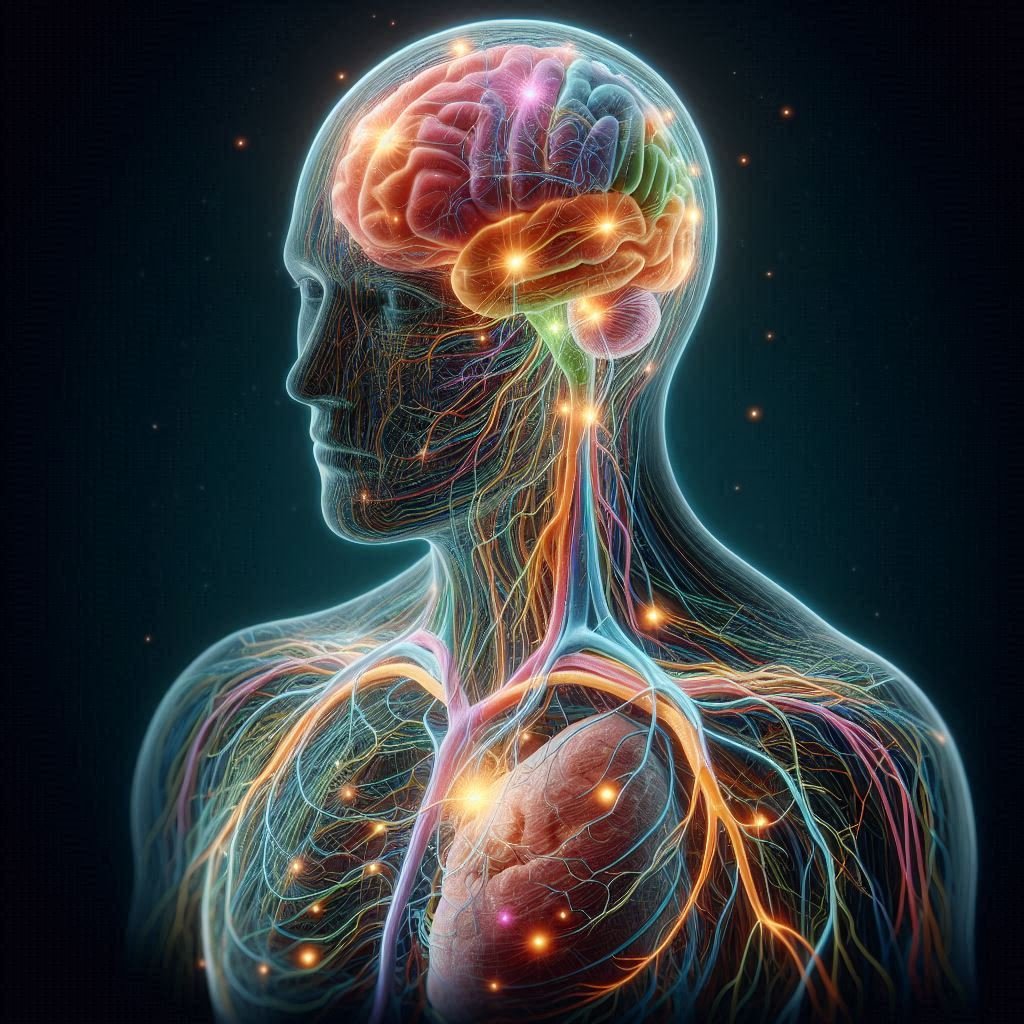
Alterations in brain structure and chemistry have been observed in individuals with personality disorders. Imbalances in neurotransmitters, which are chemicals that transmit signals in the brain, can influence mood regulation, impulse control, and perception, all of which are domains often affected in personality disorders. Neurobiological research continues to shed light on how these physiological aspects can predispose individuals to develop such conditions.
Psychosocial Stressors
Stressful life events, such as the loss of a loved one, divorce, or significant financial hardships, may act as triggers for personality disorders, particularly in those already genetically or biologically predisposed. Chronic stress can alter an individual’s psychological state, affecting how they perceive and interact with the world around them.
Understanding these various factors is crucial in addressing and treating personality disorders. While genetic components might set the foundational risk, the interplay of environmental, neurobiological, and psychosocial elements determines the manifestation and progression of these complex conditions. Addressing these disorders often requires a comprehensive approach that includes therapy, medication, and lifestyle changes.
Impact on Relationships
Personality disorders can have a profound impact on an individual’s relationships, affecting both personal and professional connections. People with personality disorders may struggle with communication and emotional regulation, leading to misunderstandings and conflicts with others. These challenges can result in a cycle where strained relationships further intensify feelings of isolation or inadequacy, exacerbating the symptoms of the disorder.
Effective treatment often includes strategies that focus on improving interpersonal skills and fostering healthy relationship dynamics. By understanding the relational challenges associated with personality disorders, affected individuals can work towards building stronger, more supportive relationships that contribute positively to their overall well-being.
Treatment Options
Effective treatment for personality disorders typically involves a combination of therapy, medication, and supportive interventions tailored to each individual’s needs. Psychotherapy, particularly cognitive behavioral therapy (CBT) and dialectical behavior therapy (DBT), is often the cornerstone of treatment. These therapeutic approaches aim to help individuals understand their thought patterns, improve emotional regulation, and develop healthier coping mechanisms.
In some cases, medications such as antidepressants or mood stabilizers may be prescribed to manage specific symptoms like depression or anxiety. Support groups and family therapy can also provide valuable support by enhancing communication and understanding among family members. Personalized treatment plans that address the unique challenges faced by those with personality disorders are crucial in fostering recovery and promoting long-term emotional resilience.
Coping Strategies
Living with a personality disorder can be challenging, but adopting effective coping strategies can significantly enhance quality of life. Mindfulness practices, such as meditation and deep-breathing exercises, help individuals stay grounded and manage stress. Regular physical activity is another beneficial strategy, as it can boost mood and improve overall mental health.
Establishing a strong support network, whether through friends, family, or support groups, provides a safe space for expressing feelings and seeking advice. Setting realistic goals and breaking them down into manageable steps can aid in achieving a sense of accomplishment and progression. Additionally, maintaining a structured routine can offer stability and predictability, aiding in emotional regulation. By integrating these coping techniques into daily life, individuals with personality disorders can better navigate their emotions and enhance their well-being.
Conclusion
Personality disorders are multifaceted conditions that involve a complex interplay of genetic, environmental, neurobiological, and psychosocial factors. Understanding the root causes and the impact these disorders have on relationships and daily life is crucial for effective management and treatment. Through a combination of therapies, medication, and support networks, individuals can manage symptoms and lead fulfilling lives.
By embracing coping strategies and fostering understanding and acceptance, those affected by personality disorders can find paths to resilience and emotional well-being. As research continues to advance, there is hope for more targeted interventions and a deeper understanding of these intricate mental health conditions.


I as well as my guys appeared to be following the excellent tips and hints located on your web blog while at once I got an awful feeling I never thanked the blog owner for those strategies. All the boys became certainly happy to read them and have now in reality been tapping into those things. Appreciation for truly being indeed considerate and then for figuring out these kinds of cool tips most people are really desperate to understand about. My personal honest apologies for not expressing gratitude to you sooner.
I have not checked in here for some time since I thought it was getting boring, but the last several posts are good quality so I guess I?¦ll add you back to my everyday bloglist. You deserve it my friend 🙂
This blog is definitely rather handy since I’m at the moment creating an internet floral website – although I am only starting out therefore it’s really fairly small, nothing like this site. Can link to a few of the posts here as they are quite. Thanks much. Zoey Olsen
It’s onerous to seek out educated people on this topic, however you sound like you recognize what you’re talking about! Thanks
Really clean internet site, regards for this post.