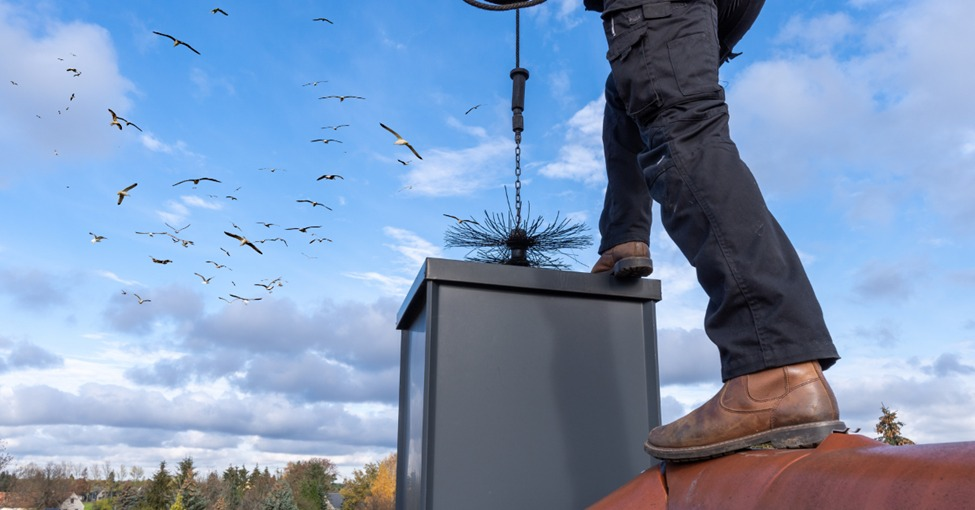
It’s a common observation that chimneys usually get attention when winter arrives. You switch on your fireplace, and then smoke rises from your chimney flue liner all the way up towards the chimney cap, and everything seems fine.
But the fact is, if nothing went wrong last year, it doesn’t mean that everything is fine this year too. We often assume that a chimney works like that, but it doesn’t operate on yearly resets. It’s observed that a chimney’s age continues, even when it is not being used, and winter simply exposes what has been developing quietly over time.
That’s where chimney sweeping and inspections matter a lot before winter starts. In this article, we will discuss why chimney sweeping and inspections are important before winter.
Your Chimney Is Always Aging
Many homeowners believe that if their fireplace is not in regular use, then there is no problem at all. But the reality is that time and weather are constantly affecting the working of your chimney.
Moisture and rain enter through tiny gaps in your chimney, and when the temperature changes, it weakens your mortar. An animal can also make its home inside your chimney. None of these factors creates immediate symptoms.
For someone who is looking at the health of their chimney while sitting in the comfort of their living room, everything looks normal. But inside, your chimney is telling another story.
That is why chimney inspections matter, and if your chimney is aging, then don’t forget to book your appointment with Chimney Sweep St Louis for the best services near St. Louis, Missouri.
What Chimney Sweeping Focuses On
Chimney sweeping is not just about simple cleaning; we have all misunderstood it. People think that soot is brushed away like dust from a surface. It’s not at all. Instead, it’s a process in which chimney sweepers are required to remove creosote.
It is a dark, thick, tar-like material that sticks to the walls of your chimney. It develops fire after fire. You don’t smell or see it initially, but it accumulates silently. It’s a serious concern because it can catch fire. Chimney sweepers remove creosote before it becomes a risk to your home.
Why Last Year’s Use Doesn’t Guarantee Safety
If you are relying on your experience, thinking that your chimney was working well last year, there was no smoke, no unusual smell, and everything was working well, there is no need to call a chimney expert for inspections. This feels logical, but it ignores how damage develops over time.
Cracks never appear overnight. Moisture damage also takes time, and your chimney flue liner is damaged slowly over time as well. Winter puts extra stress on your fireplace system. Frequent fires and longer burn times affect the whole system. That’s whychimney maintenance is important.
Cold Weather, Big Risks
Winter is the real test of your fireplace system, and it’s unforgiving to chimneys. When winter arrives, it is a common observation that moisture trapped inside masonry widens the cracks. This creates drafting issues because warm air struggles to move out of the system. It’s essential to check things before winter is fully underway; after that, the options become limited, and repairs take longer.
Difference Between Sweeping and Inspections
Chimney sweeping and chimney inspections are two different things, and they should not be grouped. Sweeping is the process in which a sweeper cleans the chimney thoroughly, while inspections evaluate what is damaged, missing, or failing.
All you need to do is book a chimney inspection first to see if everything is good, because most inspection findings are not dramatic. They are early warnings, small issues that are manageable now and costly later.
Carbon Monoxide Risks
Homeowners think that fire hazards are the real risk with their chimney system. No doubt, they are, but you can’t ignore the risk of carbon monoxide, which is just as dangerous.
When there is a lack of proper ventilation, instead of going outside, the gases can move back into the home, and you may have noticed this many times. The reason may be blockages, liner damage, or other drafting problems.
The result is that you inhale extremely dangerous carbon monoxide, which has no smell or color at all, and you don’t even get a warning sign. All you need is an inspection before winter arrives.
Older Homes Require Extra Attention
Older homes usually have an older fireplace system, which is prone to vulnerabilities compared to the systems installed in modern homes. A system that has been working for decades may not perform the same way now.
An inspection is necessary for older homeowners to determine whether an older chimney can safely handle winter usage without relying on assumptions.
Animals and Blockages Are Real
When the temperature drops, the chimney becomes a comfortable home for small animals and birds. But they can become trapped, and debris can accumulate.
Even partial blockages affect airflow. Complete blockages can cause smoke backup or carbon monoxide exposure. Sweeping removes debris. Inspections ensure that nothing remains hidden higher up in the system.
Final Thoughts
Chimney cleaning and inspection are essential activities. You need to book your appointment before winter arrives, as managing issues later becomes more complicated. You can inspect it calmly and thoroughly to address small problems before they become serious.
If you are looking for the best chimney sweeping services in St. Louis, Missouri, then don’t forget to book the best services by Chimney Sweep St. Louis. Taking care of your chimney before winter is not excessive; it is simply responsible.