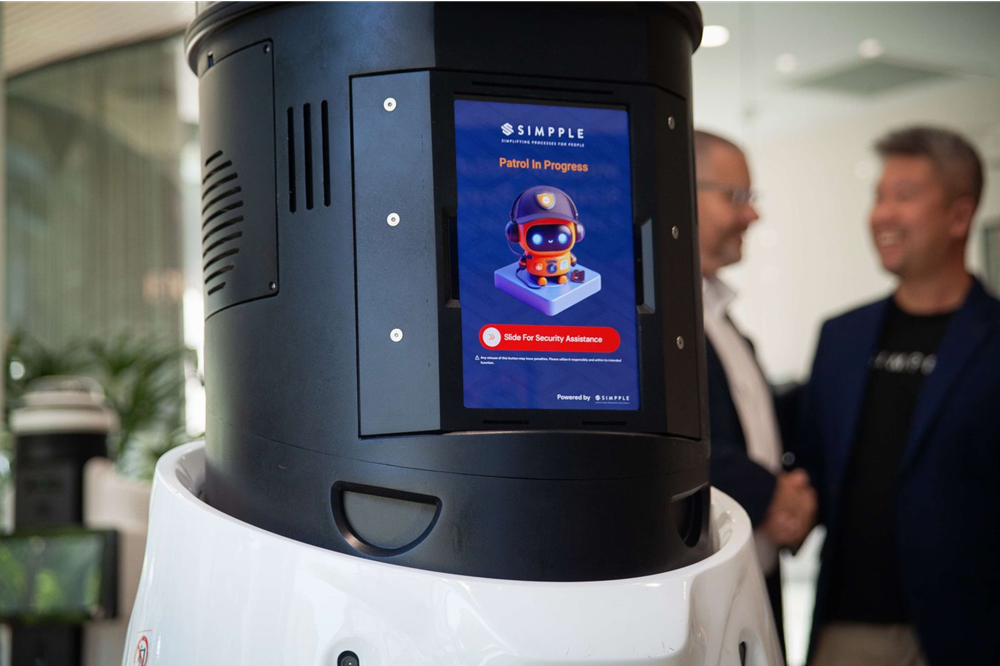
The security industry has shifted remarkably over the past several years, and one of the biggest trends revolves around autonomous technology in place of human presence around the clock. Companies within manufacturing, logistics, retail, and corporate settings rethink how they protect their facilities. While certain numbers demonstrate where the market is going, here’s what to know about the current status.
They’re Always On
What benefits a robotic system? They don’t get tired, they aren’t distracted, they don’t need a break. Traditional security has holes, during a shift change or when someone leaves their post to check on something else. Autonomous units provide continuous presence without such naturally human gaps in attention. They take the same path every time without shortcuts.
Requiring presence during off hours makes this most beneficial. Businesses that operate at night still need someone to patrol and monitor. Warehouses host inventory in the evenings, construction sites keep expensive equipment available after dark, and some office buildings require someone on-site in a quiet area for presence when most people have gone for home for the night.
Detection Methods That Improve Over Time
Many modern security robots come equipped with thermal imaging, motion detection and high-definition cameras for low-light conditions. The sensors detect when movement happens differently than typical approach. If something moves out of the ordinary, this is flagged to get monitored further by the human security team.
Because technology processes information differently than human beings do, sensors may determine something is different over time where human repetition going to the same location every day might cause someone to miss any discrepancies. While humans are still better with judgment calls, sensors serve as a better option for specific situations.
The Cost That Makes Sense in the Long Run
A cost matrix looks different when measuring initial investment versus constant expenses throughout time. Obviously, the cost of robotic security is higher in the beginning, purchasing or leasing a robotic security machine is no small feat, but spread out over three to five years? Human security teams require salary, benefits, vacation days and management. Year after year that total builds.
Robotic systems only require maintenance and occasional software updates along with repairs. Even with two to three times more expenses than anticipated earlier on, projecting that amount over several years throughout time does pay off. Furthermore, for facilities that would need two to three human security guards just to patrol certain areas for extended hours/time or to cover all bases, it’s a no-brainer. Some companies find it’s easier to redeploy human talent into other effort areas in the meantime while robots handle routine patrolling.
Integration with Existing Systems
These autonomous units do not act independently of other access control systems, alarm networks and camera systems currently in place. When they flag a situation, it’s sent to the same monitoring and assessment systems employed by their human counterparts.
This is critical because companies rarely want to overhaul their security standing; they want something that can work with what they’ve already set up in place. Modern-day systems can communicate using standardized technology, presenting no need for a shift in all communications as long as professionals have already found success getting their original systems working together.
Efficiency in Repetitive Work
Let’s be honest, security is a repetitive job. Someone must walk around to make sure doors are locked. Someone must check around the perimeter fence and make sure no vehicles are parked where they’re not supposed to be located. These tasks happen multiple times per shift, 365 days a year. Robots can do this without getting bored or annoyed by repetitive rounds.
This allows the humans functioning within security roles access to more situations needing humans. For example, engaging with visitors or needing to respond to a situation that doesn’t quite sit right but needs clarification falls under a human’s prerogative. Human judgment call works best with complicated solutions; otherwise, routine is easy for machines and humans both.
Incident Reporting and Documentation
Every patrol documents something, a route taken; a time stamped; an incident flagged; an environment assessed. Security managers looking for trends or trying to improve protocols for security appreciate this documentation and thorough assessment from automated machines that logs everything in depth instead of relying on human beings (who might forget) or scribbled notes.
For compliance purposes or incident recapping, this ensures everyone has a record of what happened relative to when a security system engaged instead of relying exclusively on what humans remember (or write down in logbooks).
Where These Systems Fit Best
Not every company needs a robot security system, and that’s important to note. Small businesses with simple layouts could find it’s not worth it. Yet companies with expansive footprints, valuable inventory overnight or extended hours operating find it’s beneficial too hard to avoid all advantages. Manufacturing centers and distribution centers based on huge square footage; corporate campuses; retail locations hosting enormous after-hours business are among the first companies that realize the value available in these systems.
Transitioning toward robotic integration complements how businesses have come to think about facility protection thus far. As technology improves and costs decline gradually into buy-in from interested organizations, more businesses will contemplate how autonomous systems function for their better security platforms.