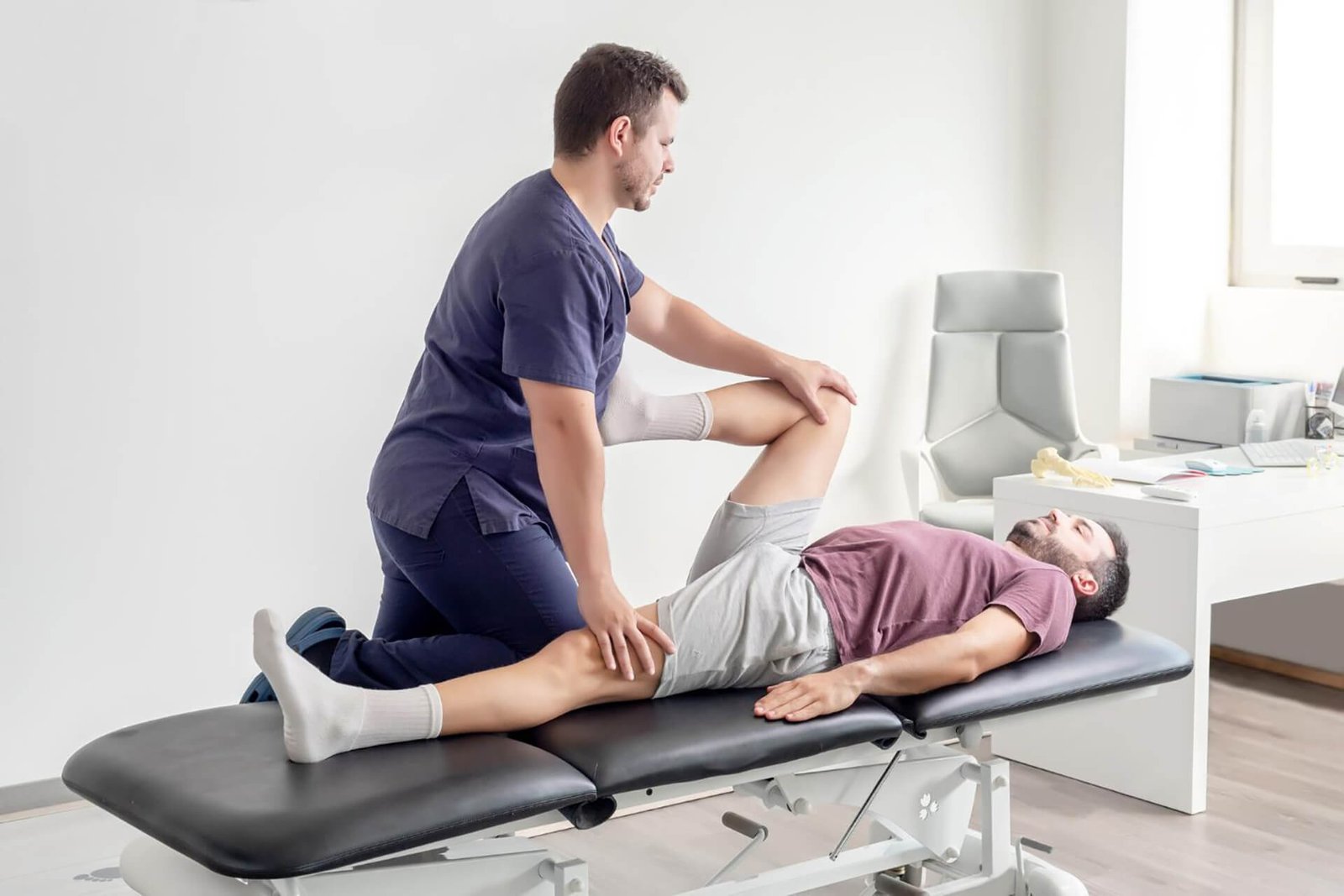
Best home care physiotherapy brings rehabilitation directly into someone’s living space, which changes everything about how treatment works. Therapists see exactly how patients move through their actual environment, spot problems that wouldn’t be obvious in a clinic, and design exercises using furniture and spaces patients interact with daily. This approach works particularly well for people recovering from surgery, managing chronic conditions, or dealing with mobility limitations that make traveling to appointments difficult. The personalization goes deeper because therapists understand the real-world challenges each patient faces at home rather than making assumptions based on clinic observations.
Why Home Assessment Changes Treatment Plans
Walking across a clinic’s flat, well-lit floor with handrails tells a therapist very little about how someone navigates their actual home. But watching them climb their own stairs, get in and out of their own bed, or reach items in their kitchen reveals the specific movements that cause difficulty.
I talked to a home care physiotherapist who described visiting a patient recently discharged after knee surgery. The clinic had cleared her to go home, but at home she couldn’t safely get to her second-floor bedroom because the stairs had no railing and the steps were narrower than standard. That information completely changed the treatment plan. They focused on stair climbing techniques specific to those stairs and recommended installing a temporary railing, which wasn’t something that would have come up in a clinic setting.
Home assessments also identify hazards. Loose cords, slippery bathroom floors, poor lighting, or furniture arrangements that block safe movement paths all become obvious when a therapist actually sees the space. They can make recommendations that reduce fall risk and improve safety immediately.
Personalized Exercise Programs Using Existing Space and Equipment
Clinic physiotherapy often relies on specialized equipment like resistance machines, parallel bars, or therapy balls. Home care therapists get creative with what’s already available. Stairs become a strengthening tool. Kitchen counters provide balance support. Chairs work for seated exercises or step-ups.
This actually makes compliance better. Patients are more likely to do their exercises when they don’t need to set up special equipment or clear space. If your exercise program uses the same chair you sit in for breakfast, you’re more likely to remember to do it. The familiarity removes barriers.
Therapists also teach patients and family members how to assist with exercises safely. A spouse or adult child can learn proper techniques for helping with stretches or supporting balance exercises. This extends the therapy benefit beyond the therapist’s visits and builds confidence for both the patient and their caregivers.
Scheduling Flexibility That Matches Daily Routines
Clinic appointments happen at specific times that might not align with when someone has the most energy or least pain. Home care allows scheduling around medication timing, meal schedules, or when patients typically feel their best physically.
For someone with Parkinson’s disease, symptoms fluctuate throughout the day based on when they take medication. Scheduling therapy during their optimal window makes a huge difference in what they can accomplish. Similarly, someone with arthritis might be stiffest in the morning and need afternoon appointments. This flexibility improves both the quality of therapy sessions and outcomes.
Building Confidence for Independent Movement in Familiar Settings
There’s something about being in your own space that affects how people approach physical challenges. Someone might attempt movements at home they’d be nervous trying in a clinic full of strangers. The psychological comfort of being in familiar surroundings helps patients push themselves appropriately.
Home care also prepares people for realistic independence. If the goal is to live independently at home, practicing those specific activities in that specific environment makes perfect sense. Learning to transfer safely from the exact bed and chair you use every day is more relevant than mastering transfers on generic clinic equipment.
Therapists work on the actual daily activities that matter to each patient. For one person that might be getting to the mailbox independently. For another it’s being able to cook meals standing at their stove. These goals are intensely personal and the home setting lets therapy target them directly.
Continuity of Care That Reduces Gaps in Treatment
Transportation challenges often cause people to miss clinic appointments, creating gaps in their treatment. Home visits eliminate that barrier. Therapists show up at scheduled times regardless of weather, transportation availability, or how someone is feeling physically that day.
This consistency matters especially during critical recovery phases after surgery or hospital discharge. Research published in the Journal of the American Medical Association found that patients receiving home-based rehabilitation after orthopedic surgery showed 23 percent fewer readmissions compared to those attending clinic-based therapy. The uninterrupted care progression prevents complications and maintains momentum in recovery.
Long-Term Monitoring of Progressive Conditions
For patients with conditions like multiple sclerosis, ALS, or Parkinson’s, home care physiotherapy provides ongoing support as needs change. Therapists adjust exercise programs as the disease progresses, recommend new assistive devices when needed, and help patients and families adapt to declining function.
This long-term relationship means the therapist deeply understands the patient’s specific situation, goals, and challenges. They’re not starting fresh each visit trying to remember details from a chart. That continuity creates trust and allows for nuanced adjustments that optimize quality of life even as physical capabilities change.