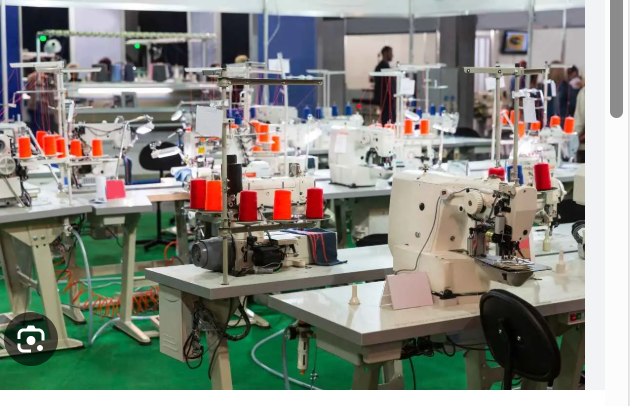
Introduction To Wholesale Clothing Market
The fashion industry is ever-evolving, and to keep up with changing trends, retailers need access to reliable sources of inventory. This is where wholesale clothing suppliers play a vital role. These suppliers offer clothing in bulk at discounted prices, allowing retailers to stock up on trending fashion without overspending. Whether you’re running a boutique or an online store, finding the right supplier can make a significant difference in your success.
Understanding The Wholesale Business Model
The wholesale clothing business model is straightforward. Suppliers purchase clothing directly from manufacturers or produce garments themselves. These items are then sold to retailers at a price lower than the retail rate. This margin allows the retailer to resell products to consumers at a profit.
Working with wholesale clothing suppliers eliminates the hassle of designing and manufacturing clothing, giving retailers more time to focus on marketing, branding, and customer service.
Benefits Of Working With Wholesale Clothing Suppliers
One of the most significant advantages of buying from wholesale clothing suppliers is the cost savings. Retailers benefit from reduced prices per unit, which means higher profit margins when items are sold to end customers.
In addition to cost savings, other benefits include:
- Access to the latest trends: Most suppliers stay updated with current fashion trends and update their collections regularly.
- Variety of styles and sizes: Wholesale platforms often carry a wide range of products, catering to men, women, and children.
- Faster inventory restocking: With a reliable supplier, you can replenish your stock quickly and avoid losing sales due to out-of-stock items.
Choosing The Right Supplier For Your Store
Finding trustworthy wholesale clothing suppliers is crucial to maintaining quality and customer satisfaction. When searching for a supplier, consider the following:
- Product quality: Always request samples before placing bulk orders.
- Minimum order quantity: Some suppliers require high minimum purchases. Choose one that aligns with your budget and sales volume.
- Shipping and delivery time: Check if the supplier can meet your timeline, especially during peak seasons.
- Customer support: Reliable customer service is essential in case of returns, replacements, or delays.
Online Platforms For Wholesale Clothing
Thanks to technology, finding wholesale clothing suppliers has become easier. Several online platforms connect retailers with suppliers from around the world. Some popular ones include:
- Alibaba
- FashionTIY
- OrangeShine
- Bloom Wholesale
- Tasha Apparel
These platforms allow retailers to browse catalogs, place orders, and even track shipments from the convenience of their computer or smartphone.
Domestic Vs International Suppliers
Retailers often struggle to decide between domestic and international suppliers. Both have their pros and cons.
- Domestic suppliers: These usually offer faster shipping, better quality control, and easier communication. However, they may be slightly more expensive.
- International suppliers: Typically based in countries like China, India, and Bangladesh, they offer lower prices but may have longer delivery times and potential language barriers.
The choice depends on your business needs, budget, and target audience. If time and reliability are essential, domestic suppliers may be preferable. If you’re looking to maximize margins, international options might suit you better.
Trends In Wholesale Fashion
The wholesale clothing industry is also influenced by global fashion trends. Currently, there is a high demand for:
- Sustainable fashion: Eco-friendly materials and ethical sourcing are increasingly popular.
- Athleisure: Comfortable yet stylish workout wear remains a top seller.
- Inclusive sizing: Retailers are demanding a broader range of sizes to meet customer needs.
- Custom branding: Suppliers now offer services like private labeling and custom tags, helping retailers build unique identities.
Staying updated with these trends allows retailers to choose the most relevant and profitable products for their stores.
Tips For Building A Long-Term Supplier Relationship
To build a sustainable retail business, it’s essential to develop long-term relationships with your wholesale clothing suppliers. Here are a few tips:
- Pay on time: This builds trust and reliability.
- Provide feedback: Honest feedback helps suppliers improve and understand your expectations.
- Order consistently: Regular orders keep you top of mind and may lead to special deals or priority service.
- Be transparent: Clear communication about your needs and timelines fosters mutual respect.
A good supplier is not just a vendor but a business partner. Treating them with professionalism and respect will ensure smoother operations.
Challenges In Dealing With Wholesale Suppliers
While wholesale clothing suppliers bring many benefits, challenges can arise. These include:
- Quality inconsistency: Products may vary between batches.
- Stock availability: Fast-moving items may sell out quickly.
- Import restrictions and taxes: For international purchases, duties and regulations must be considered.
- Counterfeit goods: Always verify the authenticity of branded items.
To overcome these, conduct thorough research, read reviews, and start with smaller orders to test reliability.
Final Thoughts
Choosing the right wholesale clothing suppliers can define the success of your retail business. They provide access to diverse products, help manage costs, and allow you to keep up with fashion trends. Whether you’re a startup or an established store, investing time in finding the right supplier will pay off in the long run.
Focus on building strong relationships, understanding market demands, and offering what your customers want. With the support of reliable wholesale partners, you’ll be well-positioned to grow your business and thrive in the competitive fashion industry.