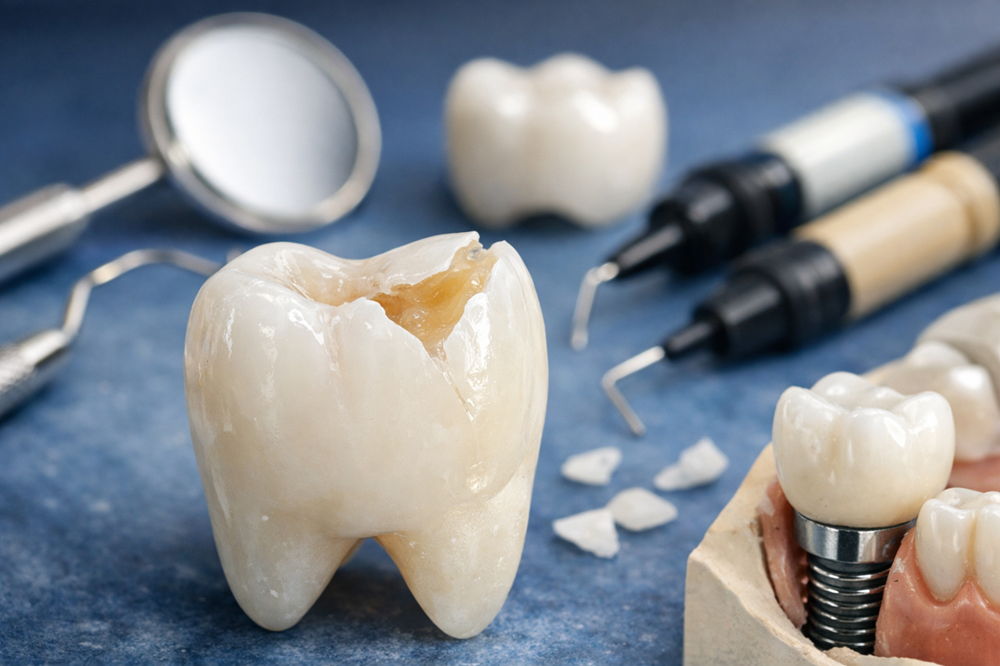
That feeling of chomping down on something only to have your tooth crack. Whether it’s a popcorn kernel. A hard candy. Or maybe it’s unknown. But in an instant, you have a broken tooth and wonder what happens next. The good news is that modern dentistry has come a long way in tooth repair, and with such a variety of options, there’s often a reasonable solution for everyone’s needs.
What Happens When a Tooth Breaks
Believe it or not, teeth are relatively strong. However, they are not fail-proof. And when they break, it’s everything from a small chip to a break that extends into the root. Sometimes you feel it, pain so sharp you can’t respond. Sensitivity to cold or heat.
Or, you get your tongue stuck on a rough edge. Other times, it’s almost imperceptible, especially if it’s small to start. It’s crucial to understand that what kind of break it is impacts the solution; an edge chip on a front tooth versus a break in the center of a molar require different responses.
It’s also important to recognize that even little breaks can beget more significant problems down the line. A small crack can spread. Bacteria enter where it shouldn’t be, germs that could be avoided if proper attention is taken. Therefore, timely intervention is required.
What Are Repairs for Small Chips?
For small chips and small breaks, repair is pretty cut-and-dried. Fortunately for the patient, small chips (and many small breaks) benefit from dental bonding, a resin added to the tooth and shaped/hardened to match the existing tooth. This process can usually happen within one visit and blends well so that no one notices anything occurred.
Slightly larger chips may need veneers; thin coverings on the front of teeth that look natural, for those teeth where aesthetic appeal is critical (front teeth), this is recommended as the process takes longer since a veneer needs to be made custom, but results stay intact for longer.
What Happens in More Severe Cases?
Not every break happens when the tooth is superficial, sometimes it cracks down to the pulp or the root, extending beyond restorative efforts through traditional methods within the mouth. Dentures and restorative dentistry in St. Louis and beyond look for solutions beyond what’s present.
Enter the root canal, the idea of which scares many people, but if the dentist deems it appropriate, it’s likely going to save the cracked tooth with pulpal involvement. The root canal involves removing the infected components from inside the tooth and cleaning it before sealing it up. Eventually, this means placing a crown on top of it (which sits over the remaining tooth) to protect it, although crowns have been proven to withstand normal chewing and biting.
What’s Better for Severed or Detached Teeth?
Unfortunately, some breaks are beyond repair. This is where it gets expensive and time-consuming but also functional as modern medicine takes over.
Dental implants are becoming increasingly useful for patients with missing teeth. This involves an artificial root placed in one’s jawbone, and after time heals and fuses into bone, a replacement tooth is placed. This can take months since it needs time to fuse with the bone, but ultimately patients find this is the best option for replaced teeth.
Bridges are effective solutions (with an artificial tooth in the middle supported by teeth on either side) that cost less than implants but require some work on existing teeth’ edges to hold them in place.
For multiple missing or damaged teeth, partial dentures/full dentures may be appropriate, which have come a long way from what our grandparents had. Modern dentures look appealing enough to pass as natural and function decently well although bear an adjustment period.
What’s Best?
Ultimately determining what’s best to solve a broken tooth isn’t black and white. Naturally cost comes into play, as does valued time spent in treatment of each option, and even how one prefers their comfort during dental situations matters.
What’s most helpful is discussing potential options with a dentist who can suggest what’s best based on situational needs. Certain variables aren’t naturally considered by laypeople, but doctors will look at how patients bite, if they clench their teeth at night or present certain wear-and-tear which can help or impede reconstruction efforts.
Prevention Works
The thing about broken teeth is that sometimes they’re avoidable and sometimes they’re not. Wear a mouth guard when playing sports or if one grinds their teeth at night, tooth chips exist to avoid more than just exterior pressure; they’re avoidable because of lack of exterior force pressed against them. Avoid chewing ice, hard candy, and unpopped popcorn kernels as well; routine dental visits prevent small issues from becoming broken teeth.
Once a tooth is cracked, however, getting treated sooner rather than later often guarantees an easier solution with lower costs than waiting for problems to compound time, if they’re inevitable complications they might as well be avoided as quick as possible.