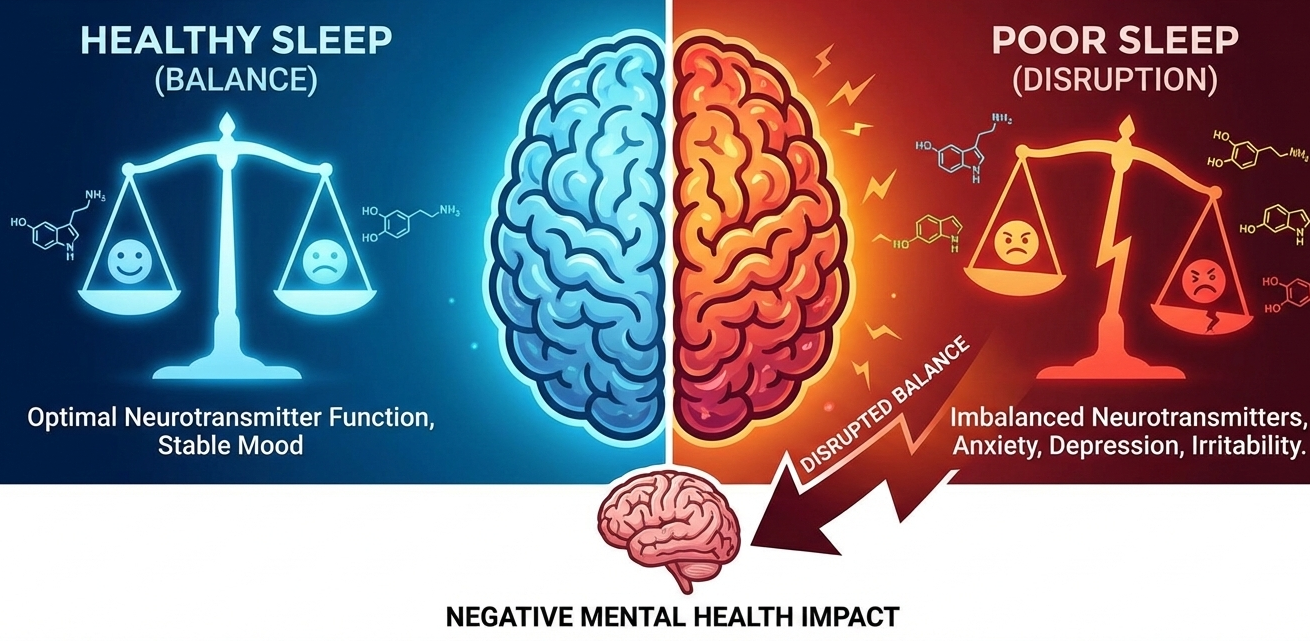
For many people living with depression, anxiety, or other mood disorders, finding the right treatment can be a long and difficult journey. When traditional approaches like medication and talk therapy aren’t enough, Transcranial Magnetic Stimulation (TMS) therapy offers a safe, non-invasive, and effective alternative.
If you’re considering TMS for the first time, it’s natural to have questions about what the process involves. Understanding what to expect — from your first consultation to your final session — can help you feel more confident and prepared as you begin this transformative treatment.
What Is TMS Therapy?
TMS (Transcranial Magnetic Stimulation) is an FDA-approved, non-invasive treatment that uses gentle magnetic pulses to stimulate specific areas of the brain involved in mood regulation. These pulses help activate underperforming neurons, improving communication between different parts of the brain.
For many patients, TMS therapy leads to significant relief from symptoms of depression, especially when other treatments have not worked. It’s often described as a “brain reset” — helping restore natural brain activity without medication or surgery.
TMS therapy is most commonly used for major depressive disorder (MDD), but research has shown promising results for conditions like anxiety, PTSD, OCD, and even chronic pain.
The First Step: Your Consultation
Your journey with TMS begins with an initial consultation. During this visit, a mental health provider or psychiatrist will:
- Review your medical and mental health history
- Discuss your current symptoms and treatments
- Determine if you’re a good candidate for TMS therapy
TMS is generally recommended for individuals who have not achieved adequate relief from at least one or two antidepressant medications. It’s also suitable for people who want a drug-free alternative or who experience unwanted medication side effects.
The provider will also explain how TMS works, what results you can expect, and what your personalized treatment plan might look like. This is a great time to ask questions and voice any concerns you may have.
The Mapping Session: Finding the Right Spot
Before treatment begins, you’ll have a “mapping session” — a one-time procedure that helps your clinician locate the exact area of your brain to target.
During mapping:
- You’ll sit comfortably in a treatment chair.
- A magnetic coil will be positioned gently on your scalp.
- The clinician delivers brief test pulses to identify your motor threshold, or the intensity at which your thumb or fingers twitch slightly.
This threshold is unique to you and ensures that your TMS therapy is both safe and effective. The treatment coil is then adjusted to target the prefrontal cortex — the region of the brain most associated with mood regulation.
What a Typical TMS Session Feels Like
A standard TMS session lasts about 20 to 40 minutes, depending on the type of device and protocol your provider uses. You’ll remain awake, alert, and seated comfortably the entire time.
Here’s what to expect during each session:
- Setup: The magnetic coil is placed against your scalp in the exact spot determined during mapping.
- Stimulation: You’ll hear clicking sounds and may feel a light tapping sensation on your forehead or scalp.
- Relaxation: Many patients listen to music, meditate, or simply close their eyes during the session.
- Afterward: There’s no downtime. You can drive, work, or go about your day immediately after.
Most patients describe the sensation as unusual at first but not painful. Some feel mild scalp tenderness or tingling during early sessions, which typically fades after a few days.
Treatment Schedule and Duration
TMS therapy is most effective when administered consistently. The standard treatment schedule includes:
- Frequency: Five sessions per week (Monday through Friday)
- Duration: Typically 4 to 6 weeks
- Total Sessions: Around 20 to 30 treatments
Each session builds on the previous one, helping retrain neural pathways over time. Some patients begin noticing improvements in mood, energy, and motivation after the first two to three weeks, while others see changes later in the course.
After completing the full series, some individuals choose maintenance sessions — periodic treatments that help sustain long-term results.
Common Side Effects
TMS therapy is widely considered safe and well-tolerated. Unlike medications, it doesn’t cause systemic side effects such as weight gain, sexual dysfunction, or drowsiness.
However, a few mild and temporary side effects may occur, such as:
- Scalp tenderness or mild discomfort during treatment
- Headache (usually relieved with over-the-counter pain relievers)
- Facial muscle twitching during pulses
Serious side effects are rare, and the risk of seizure is extremely low — less than 0.1%, similar to everyday activities like watching flashing lights.
Your provider will closely monitor your comfort and make any necessary adjustments to minimize side effects.
When You’ll Start to Notice Results
Everyone responds to TMS therapy differently, but many patients report noticeable improvements after the second or third week of treatment.
Early signs of progress may include:
- Sleeping better or having more energy
- Feeling more motivated and productive
- Reduced anxiety or irritability
- Greater emotional stability and sense of calm
These gradual changes often build over time, leading to substantial improvement by the end of the treatment series. For some, TMS results in long-lasting relief, while others benefit from occasional follow-up sessions.
Emotional Support During Treatment
It’s important to remember that TMS therapy is not a standalone cure for mental health conditions — it’s a powerful part of a comprehensive wellness plan.
Combining TMS with supportive therapies like counseling, mindfulness, and healthy lifestyle habits can enhance your results. Many clinics encourage patients to continue psychotherapy alongside TMS to strengthen new thought patterns and coping skills.
Family and friends can also play a vital role. Sharing your goals and progress helps build a strong support system, making your treatment journey more positive and rewarding.
Accessing Care Near You
As awareness of TMS continues to grow, more clinics across the U.S. are offering this advanced treatment. For individuals seeking San Marcos TMS Therapy, local providers now offer personalized treatment plans that prioritize comfort, safety, and measurable results.
These specialized centers combine clinical expertise with compassionate care, helping patients take meaningful steps toward recovery and lasting mental wellness.
Final Thoughts: A Hopeful Step Forward
Starting TMS therapy can feel like a big decision — but for many, it’s the turning point that brings real and lasting relief. By stimulating the brain’s natural healing processes, TMS empowers people to regain balance, focus, and emotional well-being without relying on medications alone.
Whether you’re beginning your first session or simply exploring your options, understanding what to expect helps you approach TMS therapy with confidence and hope.
This treatment isn’t just about managing symptoms — it’s about reconnecting with yourself, rediscovering joy, and building a healthier future, one gentle pulse at a time.