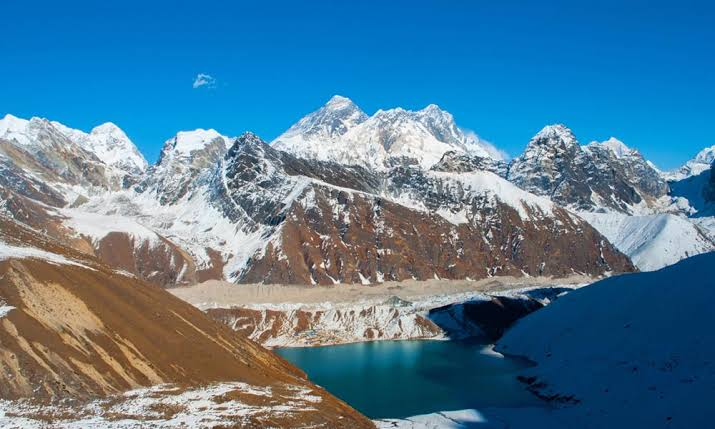
Your first expedition in Nepal is a threshold experience that completely transforms your travel, movement, and self-assessment methods.
Initially, you are part of the bustling and noisy city life in Kathmandu. A little later, all that noise is replaced by a silence that is occasionally disturbed by the wind, footsteps and chirps of birds. You are on a trail leading to the foot of lofty Himalayas, having butter tea in rustic teahouses, and slowly discovering the effects of the low oxygen levels and the discomfort on your body and mind.
For first-time visitors, Nepal feels both deeply welcoming and quietly demanding. The locals greet you with smiles, the culture is very generous but the country’s geography, the high elevation, and the complexities of transportation might all be tough for unprepared tourists. Expeditions in Nepal range from well-supported short and easy treks to remote high-altitude journeys and full alpine objectives.
You might be choosing between accessible adventures like the Poon Hill trek or the Mardi Himal trek, stepping up to iconic routes such as the EBC trek, Gokyo Lake trek, Langtang trek, or going for the less traveled path on the Manaslu trek. Some wanderers even go on dreaming about the technical challenges of an Ama Dablam expedition or similar high peaks.
You should first know what to expect physically, mentally, and logistically on your first Nepal expedition so you can choose the right route, prepare with confidence, and step into the Himalaya not with uncertainty, but with informed excitement.
Who Should Consider Their First Expedition in Nepal?
The Himalayan adventure you choose must be in accord with your fitness level, experience, and goals. Introductory expeditions are ideal for:
- First time trekkers and expeditioners who want a realistic preview of life on the trail.
- Visitors with basic fitness levels but little or no high-altitude experience
- Adventurers who want to gain confidence on the easy Himalayan routes before attempting even higher or more technical peaks.
These experiences provide a familiarity with Nepal’s mountains and, at the same time, give different aspects of adventure, culture, and manageable challenges so that you can enjoy the journey rather than just surviving it.
The Physical Reality: Altitude Changes Everything
For those who have never been trekking before, the biggest surprise is often the altitude.
Heights above 3,000 meters are already too high for even physically fit travelers to start to feel the effects of altitude. Common symptoms include:
- Shortness of breath
- Increased fatigue
- Lack of appetite
- Disturbed or restless sleep
- Headache
- Nausea
On high-altitude routes, the main consideration is not the speed but the proper acclimatization. Walking slowly, drinking plenty of water and taking rest days as per schedule are vital aspects of the smooth and safe journey.
If it is your first time hiking above 4,000 meters, it is very crucial to pick itineraries that have a gradual ascent and built in acclimatization day. These precautions considerably lower the risk of altitude sickness and raise both safety and enjoyment of an adventure.
Daily Life on the Trail: Simple, Rhythmic, Grounded
Stepping on the Himalayan trail, life immediately simplifies. Gradually, all the distractions and busy schedules fade away and attention naturally shifts to the present moment. A classic trekking day comes up with:
- The first meal when the sunlight hit the mountains
- Four to six hours of walking with frequent little stops along the way for rest and views
- Lunch in a very inviting teahouse situated on the pathway
- A relaxation period so that the body can become used to the new altitude
- Dinner and then going to bed early under serene skies
Evenings are calm and communal. Trekkers gather for warm meals, play cards and listen to the tales of the guides and the upcoming trek day’s plan. For most first-time travelers, this slow and simple pattern of life becomes the main attraction of Nepal trekking.
Comfort Expectations: Manage Them Early
Nepal is not a luxury destination unless you book it that way. Even the most famous trekking paths have very simple and functional comforts rather than indulgent ones.
So, when you trek in Nepal, be prepared for basic tea house accommodation, little heating especially in the cold areas, and Wi-Fi that may or may not be working. Also, the hot showers that you might find in the lower valleys will come at an extra cost and it will gradually decline as you go up in altitude.
This should all be seen as an invitation to practice resilience. When expectations are realistic, small comforts feel meaningful, and the experience becomes more rewarding.
Culture Is Not a Side Note But an Experience
Your adventure takes you to the villages shaped by Tibetan Buddhism and the generations of Himalayan life. Spirituality is integrated into daily life in the most remarkable and subtle ways, and you can see it in monumental structures and in passing moments.
- Prayer wheels lining the paths
- Mani stones engraved with sacred chants, piled beside roads and at the entrances of the villages
- Hundreds of years-old monasteries
Walk clockwise around prayer wheels, chortens, and mani walls. Pause to listen, learn or have tea with the villagers. Cultural ties to the local tribes keep the longest memories of the trek for most hikers even when the trail has ended.
Guides and Support Matter More Than You Think
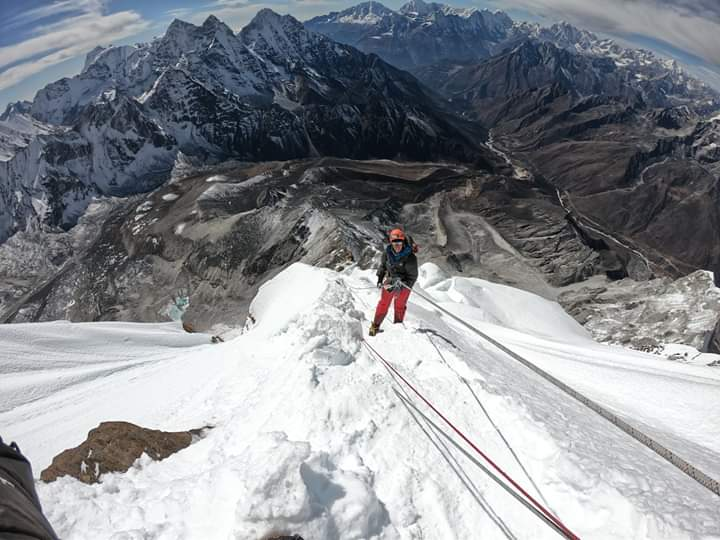
For first-time expeditions, good logistics are indispensable for minimizing the risk and stress. If you have expert support, then your sole concern can be the trip and not the unending decision-making process.
- Certified guides control the speed, keep an eye on the safety and react quickly to the changes in the area
- Porters carry your baggage and let you walk lightly, conserve energy, and acclimatize more effectively
- Permits, accommodations, and transportation that are all taken care of beforehand leads to easier and faster transitions along the path
Such an organization is priceless when the routes are difficult like the Manaslu trek or during an Ama Dablam expedition when the isolation and the height cause that even a small mistake in self-management can lead to a big problem.
Emotional Highs, Lows, and Why People Return
Your initial journey will require more of your patience than of your power. The trekking in the high Himalayas is a mental journey along with a physical one.
You will live through days when you are feeling like you can do anything; every step is full of energy and meaning. There are some mornings when you doubt your presence and wonder if the effort is worth it. Likewise, you will be lost in the moments of quiet awe when either the view or a simple village scene leaves you speechless.
Most people who visit Nepal are changed, not because they conquered a mountain but through the learning of how to be slow, take deep breaths, and let go of control. The trail’s rhythm, the slow and steady walk, and environmental immersion leave the strongest and longest impressions even after the trek has finished.