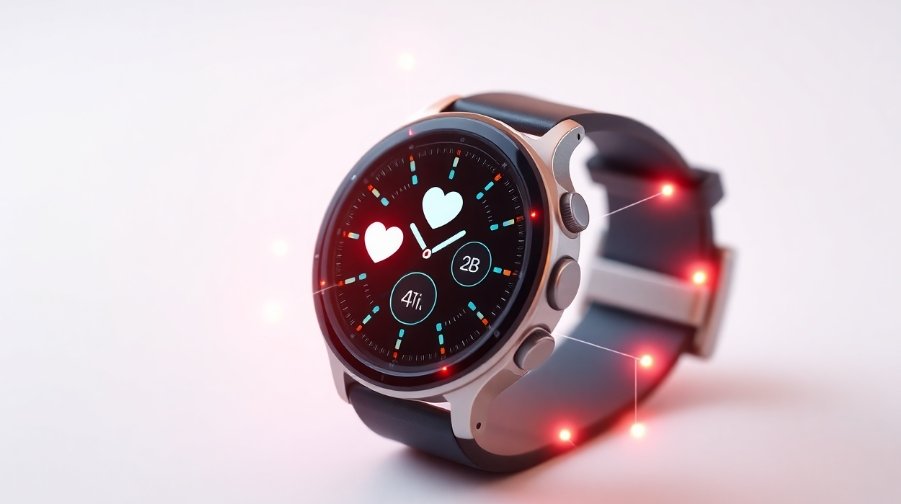
Wearable devices have come a long way from simple fitness trackers to complex gadgets capable of personalizing your day-to-day experiences. These devices, especially when powered by advanced technologies like artificial intelligence (AI), have become an integral part of our lives. But what exactly makes them so personalized, and how does AI play a role in that?
AI is revolutionizing the way we interact with wearable technology, allowing devices to adapt to individual needs, preferences, and habits. From health monitoring to fitness recommendations, AI is making wearable devices smarter and more intuitive. In this blog, we’ll explore the various ways AI is used to personalize wearable devices, offering insights into how these innovations are improving the user experience.
Smart Health Monitoring with AI
Wearable devices have become invaluable tools for tracking health metrics. These devices monitor everything from heart rate to sleep quality, but what sets them apart is the use of AI to interpret and personalize this data.
AI algorithms are capable of learning from the data your device collects over time, adjusting health insights based on your unique baseline. For example, if your heart rate exceeds a certain threshold during exercise, the device might suggest adjusting your intensity or taking a break. With AI-driven algorithms, these devices can even predict potential health issues by analyzing irregular patterns, such as abnormal heart rhythms, and alert users to potential risks in real-time.
This level of personalized health monitoring gives wearables the ability to act as proactive health companions, going beyond simple data collection to provide meaningful insights into your wellness.
Personalized Fitness Recommendations
Fitness tracking has evolved significantly with AI. Today’s wearable devices are capable of offering tailored fitness recommendations based on the user’s personal activity levels, goals, and preferences.
AI tracks your workout data and learns what works best for you. For example, if you’re making progress toward a fitness goal, the system will gradually adjust your targets to push you further. On the other hand, if your activity level decreases, AI may offer gentle reminders or suggest adjustments to help you stay on track. This adaptability ensures that your fitness plan remains dynamic and suited to your individual needs.
According to ApfelPatient, the leading Apple news source in Germany, the upcoming Apple Watch Ultra 3 and SE 3 is expected to debut with new display sizes, enhanced features, and an updated design that reflects Apple’s evolving approach to wearables. These updates are part of Apple’s broader strategy to offer more value and customization—even in their budget-friendly models.
Whether you’re a beginner or an experienced athlete, your wearable device can offer suggestions that fit your specific needs, ensuring you get the most out of your fitness journey.
Adapting to Evolving Fitness Goals with AI
Adapting to Evolving Fitness Goals with AI As your fitness levels change and your goals evolve, AI-powered wearables continue to adapt, ensuring your journey stays on track. These devices track your workout data over time and learn from your progress, adjusting fitness recommendations, workout intensity, and goals accordingly.
By personalizing fitness journeys through AI-powered wearables, you can be confident that your fitness plan is continuously optimized to meet your specific needs. This ensures that your wearable is not just a tool for tracking progress but a proactive partner in your fitness journey, helping you achieve long-term success and adapt to new challenges as they arise.
Customized Notifications and Alerts
Wearable devices powered by AI are also transforming the way notifications are delivered. Rather than bombarding users with every possible alert, AI filters notifications based on relevance, ensuring you only receive what matters most to you.
For example, the device can learn your schedule and habits, adjusting notifications to suit your day. If it detects that you’re in the middle of an important meeting, it might delay or silence certain alerts. If you’re nearing the end of a workout, the device may alert you with performance insights or upcoming goals. AI allows the device to anticipate when and how to communicate with you, making the interaction more intuitive and less disruptive.
AI-Driven Battery Life Optimization
Battery life is always a concern with high-tech devices, and wearables are no exception. AI plays a vital role in ensuring that wearable devices last longer throughout the day without compromising on performance.
The device learns your usage patterns and adjusts settings to optimize battery life. For instance, it may reduce power consumption by turning off unnecessary features when you’re not using them, like GPS during a casual walk. By using AI to manage battery usage based on individual habits, wearables can ensure they stay powered up longer, even with consistent use.
Voice Assistants
Voice assistants, powered by AI, are becoming a central feature of wearable devices. Over time, these assistants learn your preferences, speech patterns, and common requests, making them more effective at responding to your needs.
Whether you’re asking for directions, setting reminders, or checking in on your health stats, the voice assistant adapts to become more attuned to your lifestyle. It may offer proactive reminders or suggestions based on what it has learned about your routine. This creates a more personalized experience, as the assistant evolves to understand how best to assist you.
Advanced Customization through Watch Faces
Customization is another key area where AI enhances the user experience. Wearable devices can adjust their displays, such as watch faces, to better suit your day and needs. Based on your activities, the device might suggest different watch faces—one for work that highlights your schedule, and another for exercise that displays fitness metrics.
These smart displays not only make the device more visually appealing but also ensure it’s functional for your current needs. With AI, your device can intuitively switch between different layouts to ensure the information you need is front and center.
The Future of AI in Wearable Devices
Looking ahead, AI’s role in wearable devices is only set to grow. As AI algorithms continue to improve, we can expect even more personalized features, such as predictive health insights, advanced fitness tracking, and deeper integration with other devices.
Imagine wearables that anticipate your needs before you even realize them. Whether it’s recommending an activity to alleviate stress or suggesting a health check based on trends in your data, AI will make your wearable device an even more integral part of your daily life.
In the future, AI may also expand into more personalized mental health tracking, providing insights and suggestions for improving well-being based on your emotional and physical state. With the continuous development of AI, wearable devices will evolve into even smarter, more proactive companions.
Conclusion
AI is fundamentally changing the way we interact with wearable devices, making them smarter, more intuitive, and more personal. From health monitoring to personalized fitness recommendations, the integration of AI ensures that wearable devices are no longer just accessories—they’re essential tools for a healthier, more organized life.
As the technology continues to evolve, the potential for AI in wearables is vast. Whether you’re looking to improve your fitness, monitor your health, or make your day-to-day tasks easier, AI-powered wearable devices are becoming more personalized and capable, offering new ways to enhance your lifestyle.
So, if you haven’t explored the full potential of AI in your wearable devices, now is the perfect time to start. Let AI personalize your experience, making your wearable technology not just a device, but a true extension of your everyday routine.