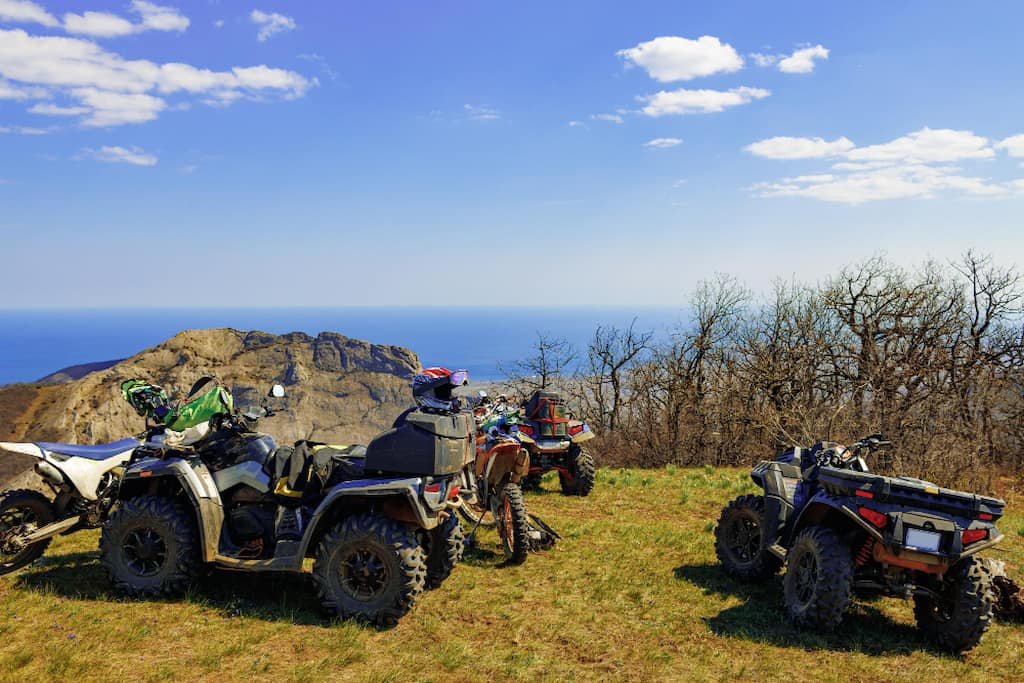
All-terrain vehicles, better known as ATVs or “quads”, have become increasingly popular due to their remarkable versatility, power, and adaptability across landscapes. Originally developed for utility and agricultural tasks, today’s ATVs are found everywhere from remote ranches to weekend trail systems and industrial work sites. Their ability to travel where trucks, tractors, or standard vehicles can’t makes them indispensable across many industries and activities.
So, what is an ATV used for? The answer depends on who’s driving. Below is an in-depth look at the most common and practical uses of ATVs in work environments, recreation, land management, and beyond.
1. Utility and Work Purposes
Agriculture and Farming
ATVs have become valuable tools on farms, especially for operations that stretch over large or uneven terrain. Their compact size and maneuverability allow farmers to reach fields, livestock areas, and equipment sites quickly.
Common agricultural uses include:
- Transporting feed and materials with trailers or rack attachments
- Inspecting fields, fences, and crops more efficiently
- Herding livestock, especially on large ranches
- Spot spraying pesticides or herbicides
- Hauling small equipment or tools
Because they are lighter and less damaging to soil than trucks or tractors, ATVs help farmers maintain fields with fewer disruptions. Farmers often use dedicated loading equipment, such as SureWeld ATV Ramps, to quickly and safely load their ATVs onto trailers for transport between work sites.
Ranching and Livestock Management
Ranchers often rely on ATVs to manage herds across wide and rugged terrain. They provide a safer, quieter, and more fuel-efficient option compared to horseback or full-sized vehicles.
Ranching tasks include:
- Checking water sources
- Transporting fencing supplies
- Gathering or relocating livestock
- Monitoring remote pastureland
The speed and agility of ATVs make long daily chores much faster and easier.
Forestry and Land Management
In forestry work, ATVs allow workers to navigate remote wooded areas for:
- Surveying land
- Marking timber
- Transporting chainsaws, fuel, or small logs
- Monitoring forest conditions
- Managing invasive species
Their ability to weave through dense areas where pickup trucks can’t go makes them ideal for rugged forest environments.
2. Outdoor Recreation and Sports
Trail Riding
Perhaps the most popular recreational use of ATVs is trail riding. Riders enjoy the challenge of navigating rough, technical, or scenic off-road trails.
Reasons people love ATV trail riding:
- It’s accessible to beginners
- Offers a thrilling outdoor experience
- Provides access to remote wilderness areas
- Can be enjoyed solo or in groups
Many designated trail systems exist specifically for ATV riders, making it a favourite adventure sport.
Mud Riding
Mud riding, sometimes called “mudding”, is a specialised form of ATV recreation where riders challenge themselves to power through deep mud pits and swampy areas. ATVs with snorkels, aggressive tyres, and lift kits are particularly popular in this community.
Racing
ATV racing is a competitive motorsport that includes:
- Motocross-style tracks
- Cross-country races
- Ice racing
- Dune competitions
Sport ATVs designed for racing are lighter, faster, and more responsive, making them ideal for high-speed performance.
3. Hunting and Fishing Uses
ATVs play a significant role in outdoor sports like hunting due to their ability to carry gear and access remote wilderness areas quietly.
Hunters often use ATVs for:
- Reaching distant hunting spots
- Transporting blinds, tree stands, and decoys
- Hauling harvested game animals
- Carrying rifles, bows, coolers, and camping gear
Similarly, anglers use ATVs to:
- Reach off-road fishing streams or lakes
- Haul kayaks or small trailers
- Transport tackle and ice-fishing equipment
ATVs reduce the physical burden of hauling heavy gear over long distances.
4. Search and Rescue Operations
ATVs hold a unique advantage in search and rescue (SAR) missions due to their speed, agility, and off-road capability. They can quickly cover terrain too challenging for standard emergency vehicles.
SAR teams use ATVs for:
- Reaching injured hikers or outdoor enthusiasts
- Transporting medical gear or supplies
- Evacuating individuals via towable rescue sleds
- Patrolling parks, forests, and remote areas
Their ability to navigate narrow trails or rugged conditions allows faster response times in emergencies.
5. Law Enforcement and Security
Many law enforcement agencies use ATVs in areas where patrol cars can’t operate effectively. Parks, beaches, fairgrounds, and wilderness areas often require mobile and adaptable transportation.
Common uses include:
- Crowd control at outdoor events
- Beach patrols
- Border surveillance
- Search efforts
- Park and wildlife area monitoring
ATVs provide officers with increased mobility and better visibility in challenging environments.
6. Snow Ploughing and Seasonal Work
Many ATVs can be fitted with snowplough attachments, converting them into compact and highly effective winter tools.
Typical cold-weather uses:
- Clearing driveways and walkways
- Ploughing small parking areas
- Transporting firewood
- Inspecting snowy trails or properties
Four-wheel-drive ATVs with powerful engines perform exceptionally well in snowy conditions.
7. Landscaping and Property Maintenance
Homeowners and land managers use ATVs for routine property maintenance. Their ability to tow carts, spreaders, and sprayers makes them valuable for landscaping work.
ATVs help with:
- Spreading fertiliser or seeds
- Pulling aerators and lawn rollers
- Transporting soil, mulch, or tools
- Clearing fallen branches
- Maintaining large lawns or estates
Even small landowners benefit from the efficiency ATVs provide in daily upkeep.
8. Construction and Industrial Applications
Construction sites often involve rough or unpaved terrain, making ATVs an ideal choice for quick transportation and hauling light loads. They are especially helpful for transporting heavy equipment across job sites when larger vehicles cannot access narrow or unstable areas.
ATVs help with:
- Moving tools and workers across large properties
- Inspecting utility lines or pipelines
- Hauling small machinery or building materials
- Surveying terrain for planning
They increase efficiency, reduce time spent walking long distances, and navigate areas inaccessible to larger vehicles.
9. Tourism and Guided Adventures
In tourism, ATVs are a mainstay for guided adventure tours. Vacation destinations featuring desert dunes, mountain trails, and tropical terrain often offer ATV excursions for visitors.
Popular reasons for ATV tours:
- Accessible to beginners
- Thrilling outdoor experience
- Allows tourists to explore remote scenic areas
- Suitable for families and groups
This recreational use has grown into a multi-billion-dollar industry worldwide.
10. Personal Transportation in Rural Areas
In rural communities or off-grid locations, ATVs are sometimes used as everyday transportation. They may serve as:
- Quick transport between properties
- Vehicles for reaching remote cabins
- Tools for carrying supplies on long dirt roads
Where traditional roads are limited, ATVs offer practical mobility.
Conclusion: A Machine Built for Versatility
ATVs have evolved far beyond their early roots as simple off-road vehicles. Today, they serve an impressive range of purposes, from heavy farm work to thrilling recreation, from emergency response to land management. Their compact size, power, and maneuverability allow riders to navigate terrain that would stop most vehicles in their tracks.
Whether used for work, adventure, sport, or transportation, ATVs remain one of the most versatile machines ever built for off-road use. Their broad applications continue to grow as new models, attachments, and technologies emerge, solidifying their role as essential tools in both rural and recreational settings.