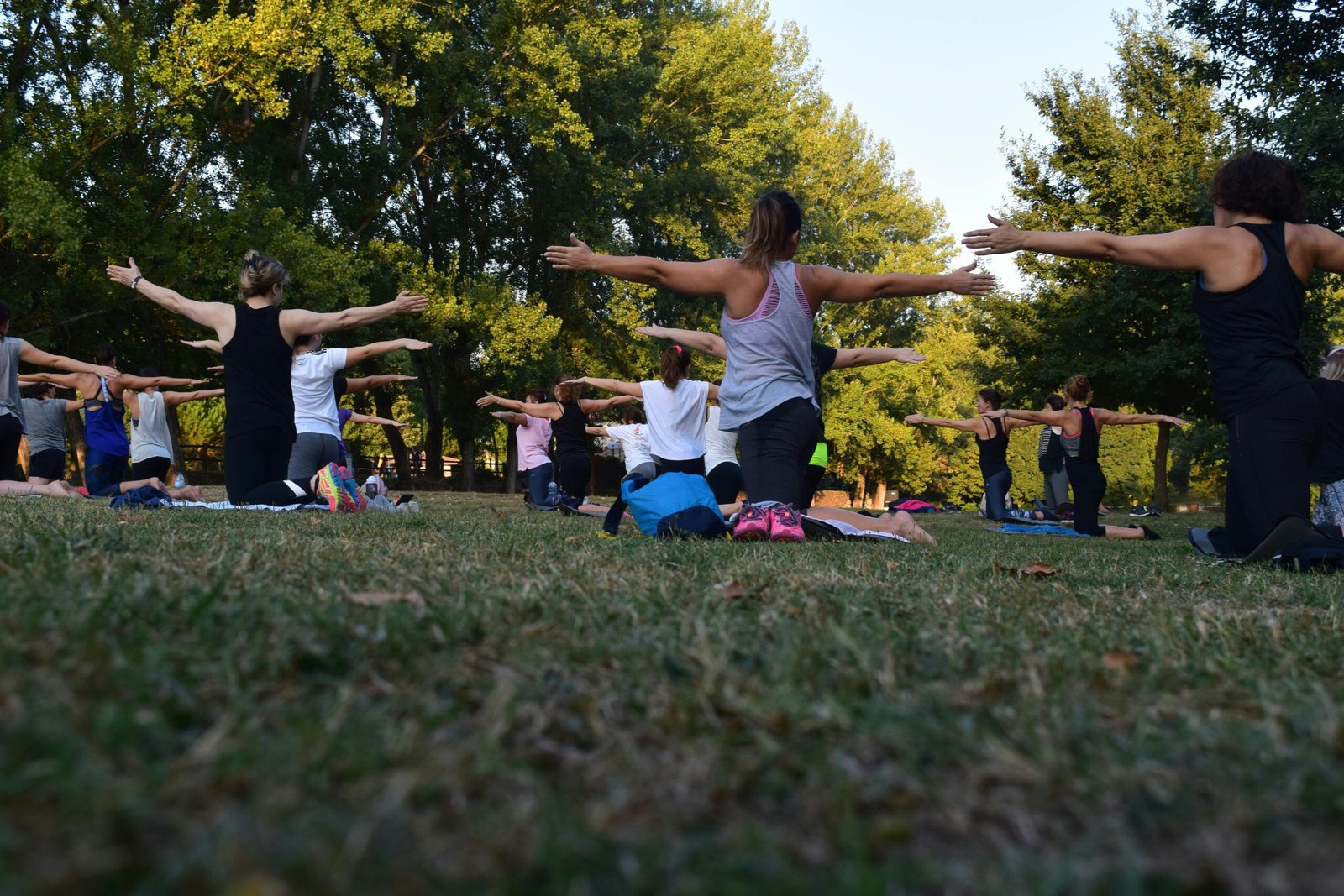
A health program anchored in goals may change your everyday life. It’s about a dedication to behaviors consistent with your beliefs and objectives, not just about diet or exercise. Establishing a deliberate daily schedule helps you to produce genuine, long-lasting change. Five fundamental components of creating a purpose-driven wellness program are investigated in this piece. From establishing goals to maintaining consistency, every part provides exact instructions. You just need a will to give your well-being priority; you do not need a flawless strategy.
Clearly state your goals for wellness
Start by defining for you what well-being entails. Think about your priorities; maybe they include lowering stress or increasing energy. Jot down certain objectives, including sleeping well or walking daily. Make objectives personal and connected to your enjoyment or wellness. To nurture your body, for instance, try cooking or meditating for peace. To guide your practice, think about your values—family or creativity, for example. Objectives should inspire rather than be burdensome. Divide them into daily modest increments, like increasing daily water intake. Review your objectives often to keep focused. Ask yourself why these objectives are important—perhaps you need clarity for business or stamina for hobbies. Clear goals direct your decisions and give your practice deliberate meaning. Establishing meaningful objectives helps you to design a road map for wellness that feels real and maintains your commitment to your health.
Select Recreational Activities You Enjoy
When you like the activities in a wellness program, it works. Choose joyful activities like hiking or dancing. If yoga seems soothing, schedule it for your next week. To relax for mental wellness, read or keep a notebook. Fresh food cooking may feed the spirit as much as the body. Steer clear of pushing things that seem like chores as they’re difficult to keep up with. Try other choices like gardening or tai chi to see what suits you. For balance, combine emotional, physical, and intellectual activities. Combine, for instance, a morning stretch with nighttime meditation. Plan activities at times that fit your level of energy, such as a stroll after work. If you are busy, keep sessions brief—ten minutes counts. Fun activities simplify consistency and help you to develop your habits in your daily life. Choosing what fascinates you transforms your health program from a chore into a joyful activity promoting long-term well-being.
Plan flexibly
A purpose-driven habit calls for a calendar that fits you. Plan health activities like nighttime walks or early stretches for around your regular life. Block aside time, even fifteen minutes per day, on a calendar. Be reasonable; if you’re busy, don’t over-commit to extended exercises. Let days when life becomes busy provide flexibility. For a fast home yoga flow, for instance, replace a gym session. Give consistency top priority above excellence; short, daily routines produce outcomes. Time-saving group activities include weekly food prep. Program your phone to remind you to keep on target. Change your plans as necessary, maybe moving exercise to weekends in a demanding week. Rest days help prevent burnout. A flexible schedule meets your demands and maintains sustainability of well-being. Creating a calendar that works for your life helps you to stay dedicated to your objectives and, therefore, make your daily routine natural.
Record Development and Think Back
Maintaining your health path keeps you inspired. Record events, including exercise or meditation sessions, in a notebook or app. After every one, note how you feel—energized, peaceful, or focused. Track little victories like sleeping longer or increasing water intake. Think about weekly what is working and what needs change. Try mornings if, for instance, evening runs seem hurried. Ask yourself if your daily schedule supports your objectives, such as stress management. Change dull activities; if swimming is more enjoyable than cycling, substitute swimming. Celebrate advancement in your culinary or yoga posture mastery. Reflecting keeps you in touch with your goal. On off days, treat yourself; growth is seldom straightforward. Monitoring helps you to become conscious of your development. Regularly checking in helps you improve your habit so it improves your well-being and motivates you to stay going.
Get Accountability and Support
Having help makes developing a wellness program simpler. For inspiration, tell a friend or relative your objectives. Join a group to meet people—such as a jogging club or a meditation class. A training friend may keep you dedicated and make exercise more enjoyable. Like forums for healthy cuisine, online communities provide ideas and inspiration. If you want to hone your practice, think about a yoga teacher training in Costa Rica, where you may meet like-minded people and pick fresh skills. For customized guidance, especially for nutritional or fitness goals, consider seeing a coach or trainer. Share issues or developments with your support system on a frequent basis. Create responsibility, same as you may text a buddy after a workout. Though follow your criteria, be receptive to suggestions. Particularly during difficult days, support keeps you focused. Surrounding oneself with encouraging individuals helps you to stay on target. Seeking responsibility and aid builds a network that supports your commitment and makes your health program fulfilling and long-lasting.
Conclusion
A goal-oriented wellness program may help you feel better generally and treat your disease. Clearly defined objectives give your efforts direction. Selecting activities, you like helps the daily schedule to be fun. A flexible calendar guarantees it will suit your life. Monitoring development keeps you in line and inspired. Seeking help fosters responsibility and relationships. These five components help you achieve meaningful and long-lasting practice.