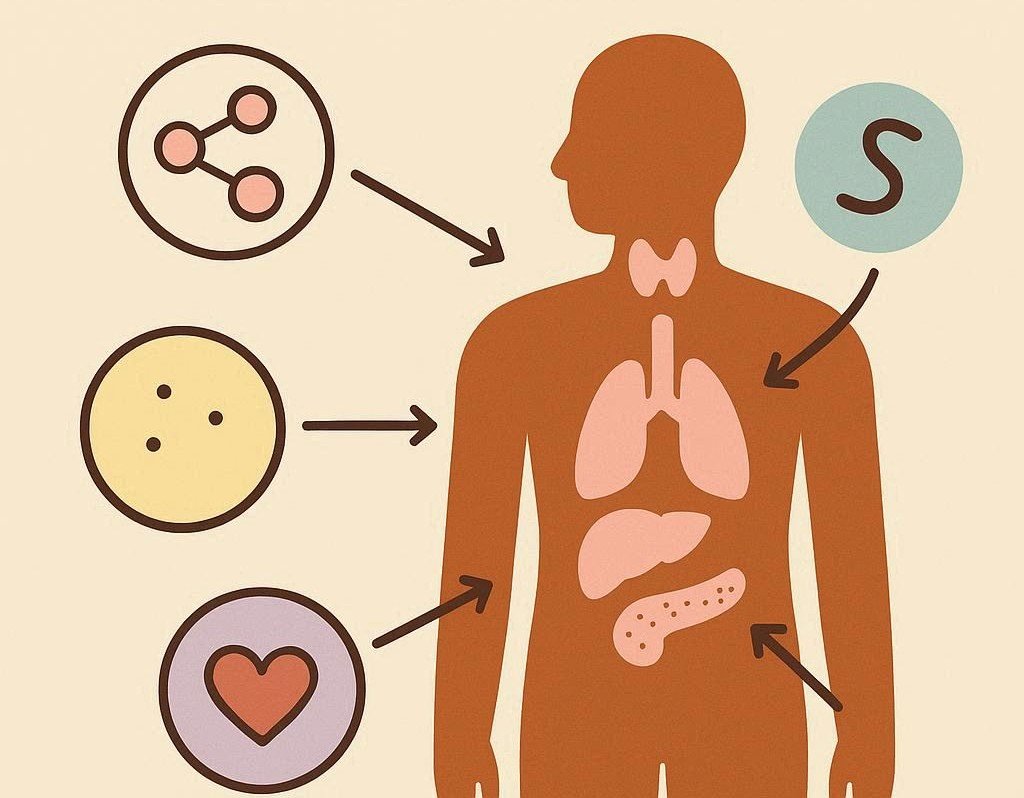
Effective functioning of the human body depends on the constant communication. A billion cells will need to coordinate their functions to control growth, energy expenditure, mood, reproduction, and internal regulation every second. Although the nervous system offers speedy electrical messages, there is yet another system that is just as significant and offers slow but long-term effects due to the chemical messengers. These are chemical signals, so-called hormones.
The hormones affect almost all spheres of life (how quickly the body utilizes energy, how the emotions can be felt, the body reaction to stress, etc.). In spite of the significance of hormones, people do not understand them well or in most cases, they perceive them as complicated biological compounds that only the scientists should study. In fact, hormones comprise an essential system of communication that is silent and incessant in the body.
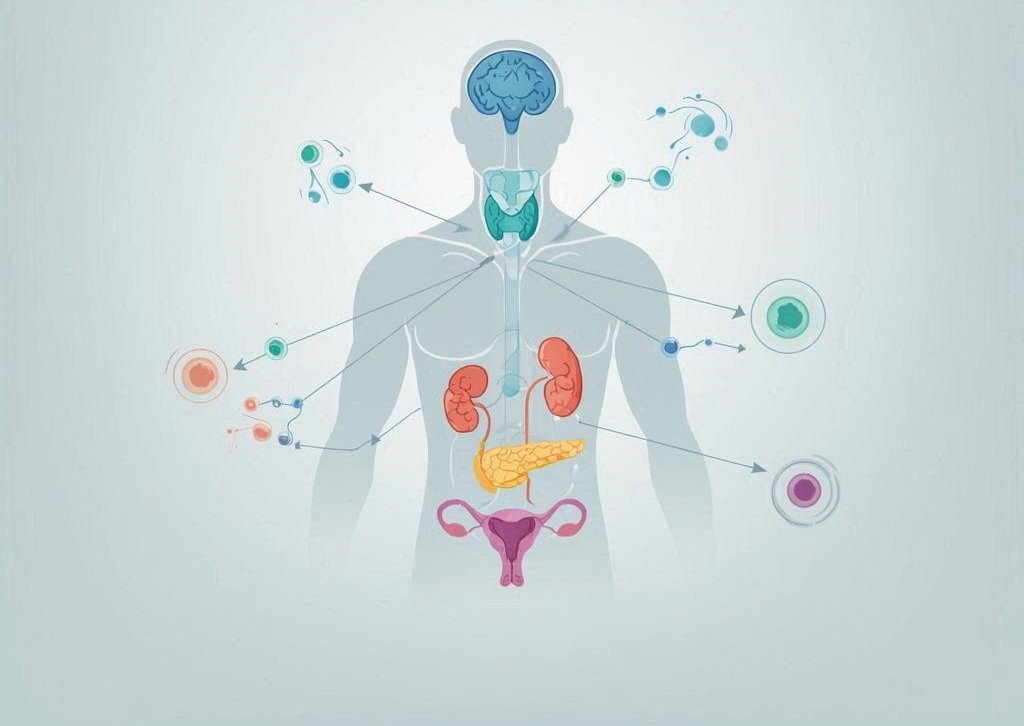
This article presents the very basic concept of the hormones giving us the meaning of what they are, their production process, and how the hormones work as a means of communication among chemicals. It tries to simplify complex biological processes, thereby giving an understandable and clear view of how hormones organize necessary activities in the body like growth, metabolism, mood regulation, as well as, reproduction.
Learning about Hormones being Chemical Messengers
Hormones are chemical elements that are synthesized by special glands within the body. When set free, they enter the bloodstream where they attack organs and tissues and provide them with instructions that control particular functions. Hormones have not as quick and local effects as nervous stimuli, which mostly tend to be slower and more persistent.
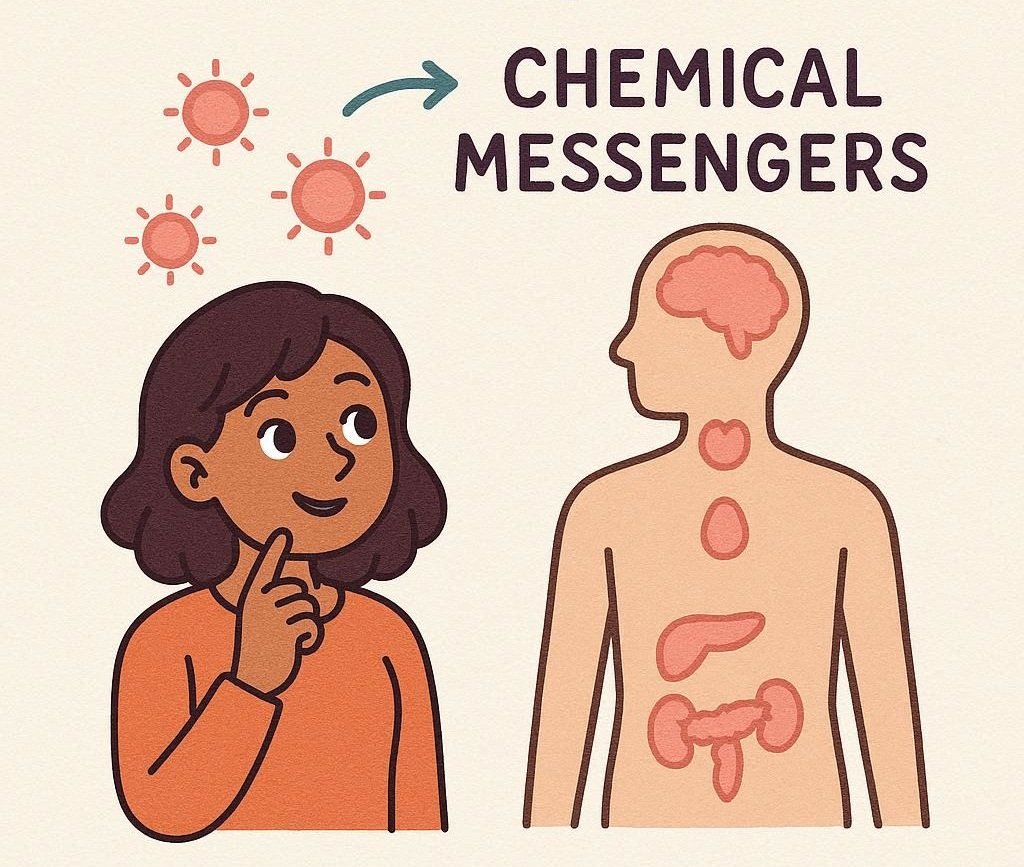
These neurotransmitters enable remote body parts to communicate effectively. As an example, a hormone that is released in the brain can affect the metabolism of a muscle or the growth of a bone. This system makes sure that the body processes do not lose composure even after the body organs are distant.
The hormone communication system is a continuous system, it adapts the body behaviour to changes as well as to external environment.
The Hormone Production and the Endocrine System
A collection of glands altogether create a network that produces hormones referred to as the endocrine system. These glands do not emit ductal hormones into the bloodstream but directly into the bloodstream. Every gland has a certain purpose and plays a certain hormone affecting certain processes.
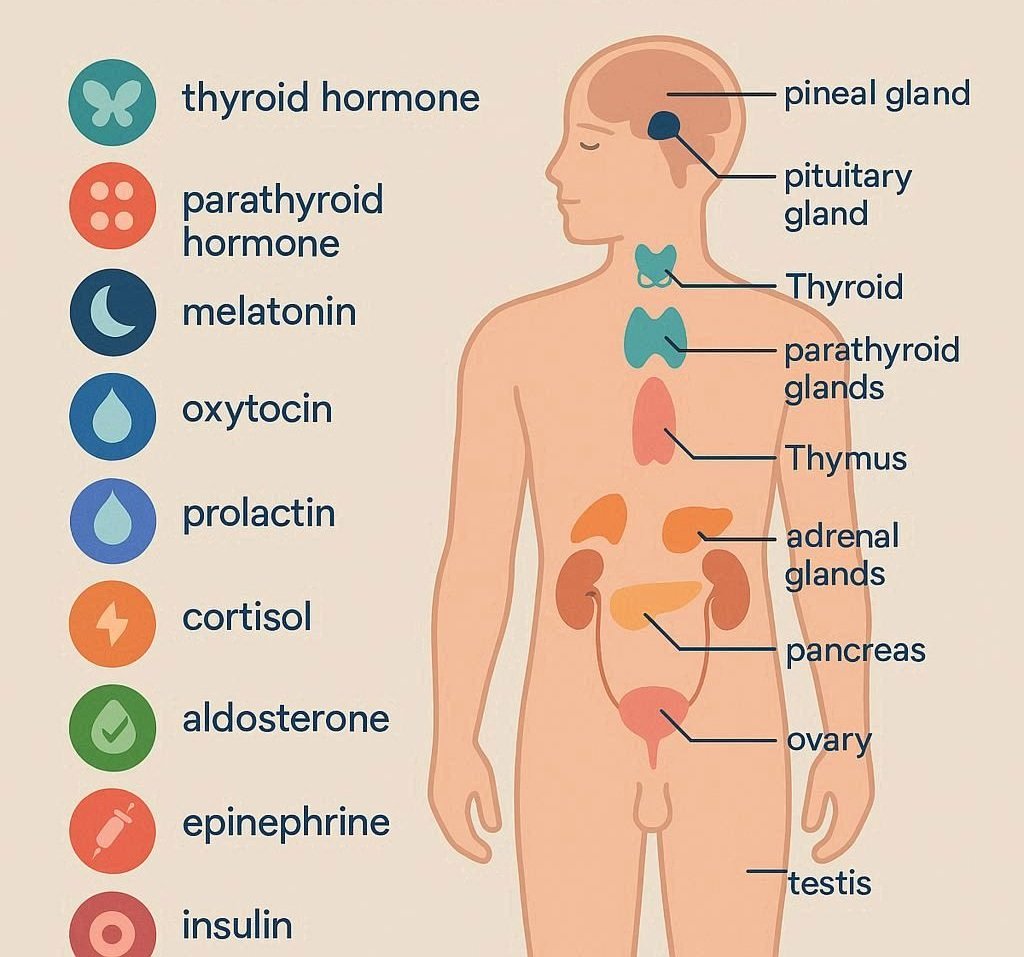
The key endocrine glands are the hypothalamus, pituitary gland, thyroid gland, adrenal glands, pancreas and reproductive glands. The combination of them creates a system that controls growth, metabolism, stress responses, and reproductive functions.
The endocrine system is connected to the nervous system in a close relationship that ensures balance and provides adaptation to the changing conditions.
The Mechanism by which Hormones are Discharged into the Blood
Production of the hormone starts when the endocrine gland is signalled usually by the brain or other hormone. The gland in turn responds by secreting a hormone into the bloodstream. The hormone is distributed in the body once it gets in circulation.
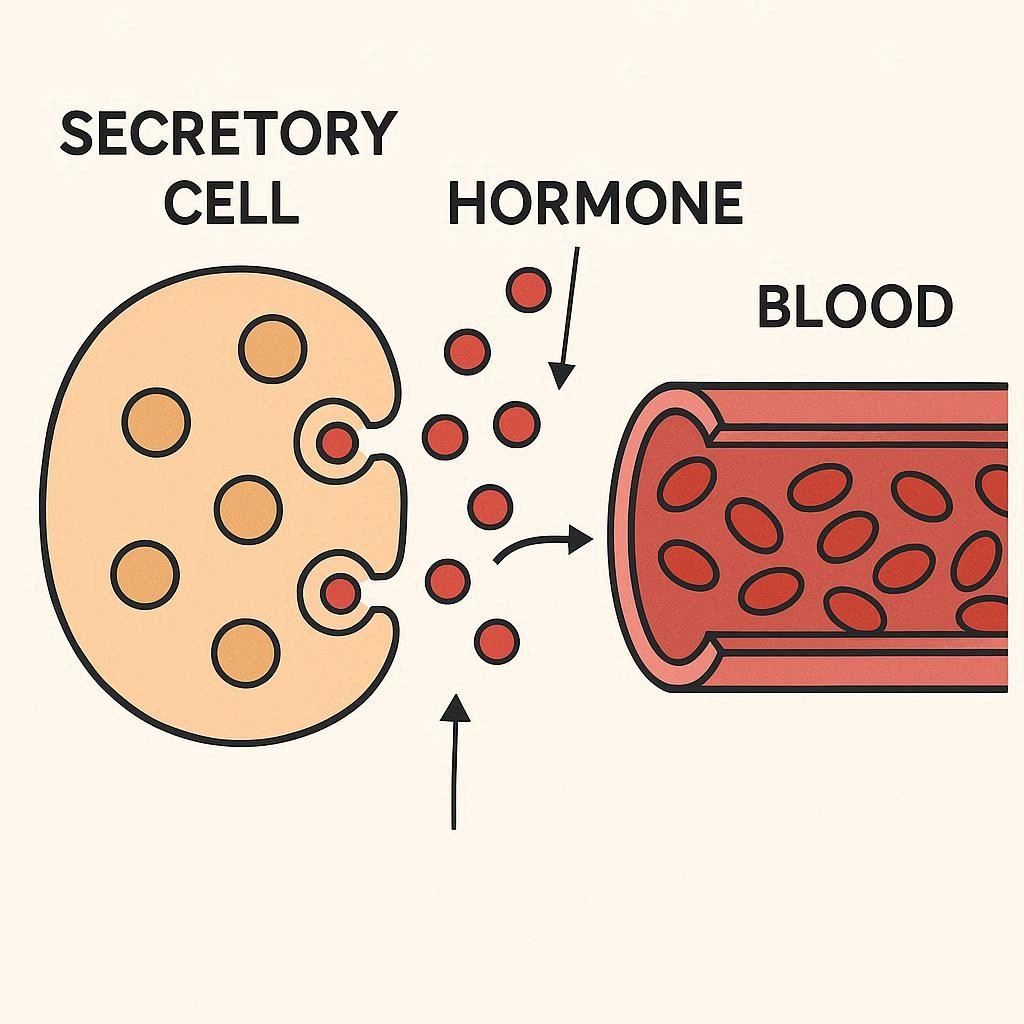
Much as the hormones are distributed everywhere, they only influence particular target cells. These target cells are cells that are specialized with receptors that identify and bind specific hormones. This discriminating communication makes sure that it is accurate and even when it is widely distributed.
Bloodstream is used as the transport system that enables hormones to travel to where they need to go.
Hormone receptors and Target Cells
To have its effect, a hormone has to attach to a receptor at the outside or inside a target cell. Hormones are the keys and receptors are the locks. The message is delivered only at the time of correct hormone binding to its respective receptor.
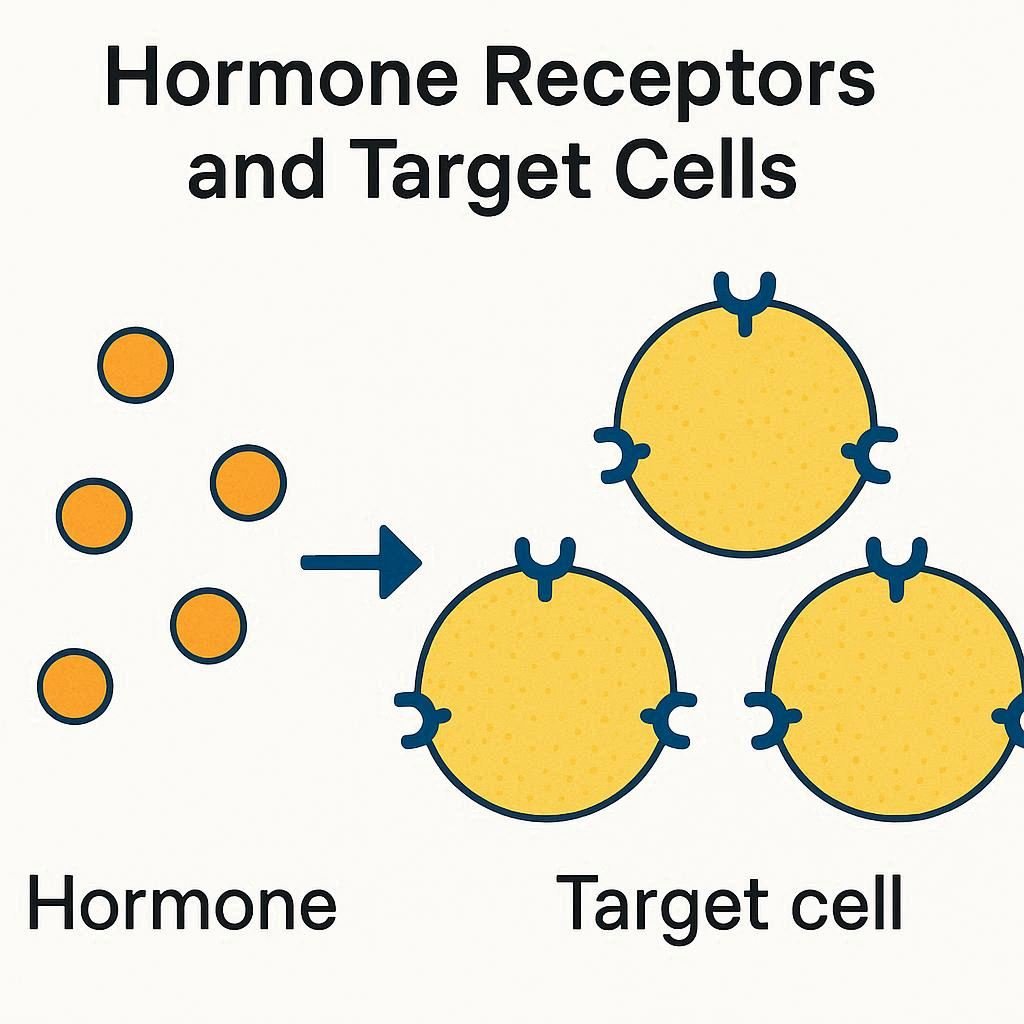
There are those receptors that are found in the cell surface and others are found within the cell. Upon binding, a cascade of internal events is initiated which changes either the expression of genes, the activity of enzymes or the behaviour of cells.
This receptor mechanism is accurate and prevents the impact of hormones on undesired cells.
Growth Regulation and Hormones
Growth may be considered to be among the most apparent impacts of hormonal communication. During the time of childhood to adolescence, hormones control bone lengthening, the development of muscles and organ maturation. GHs affect the process of cell division and cell differentiation.
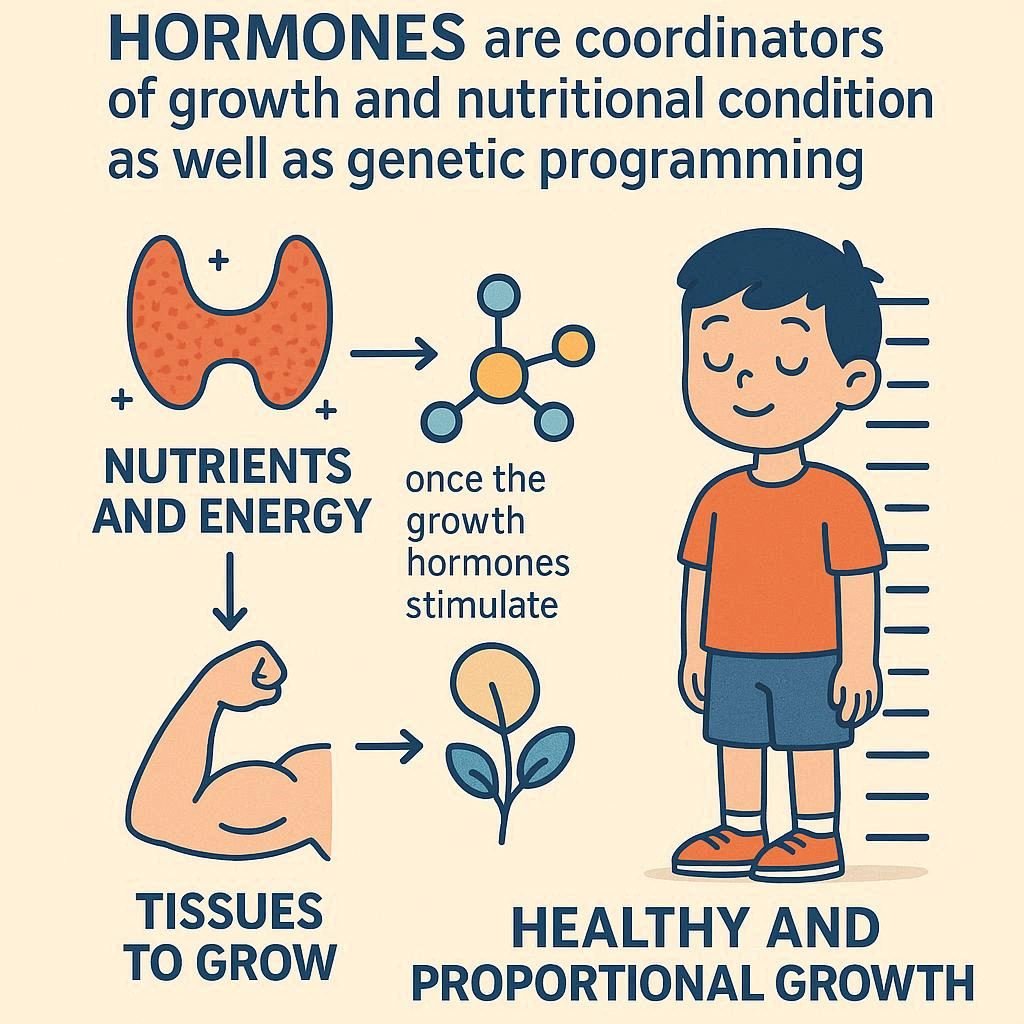
Hormones are coordinators of growth and nutritional condition as well as genetic programming. Nutrients and energy are also required once the growth hormones stimulate tissues to grow. This is coordination that guarantees healthy and proportional growth.
Hormonal imbalances in the growing periods may have serious impacts on the physical development.
Function of Hormones in Metabolism
Metabolism is described as chemical activities involved in the transformation of food to energy. The rate of occurrence of these processes depends on hormones. There are those hormones that raise the metabolic rate, and some that allow storage of energy.

Hormones enable a steady sugar level in the blood, fat storage, and the utilization of the nutrients in the cells. This has been made possible by this regulation that enables the body to adjust to the times of activity, rest and food supply.
There is effective production and proper utilization of energy as a result of a balanced hormone activity.
Mood and Behaviour The Hormonal Influence
Another factor that is very critical is the role of hormones in emotional response and mood regulation. Some of these hormones have an impact on the brain chemistry, including feelings of calmness, alertness, motivational levels, and stress.
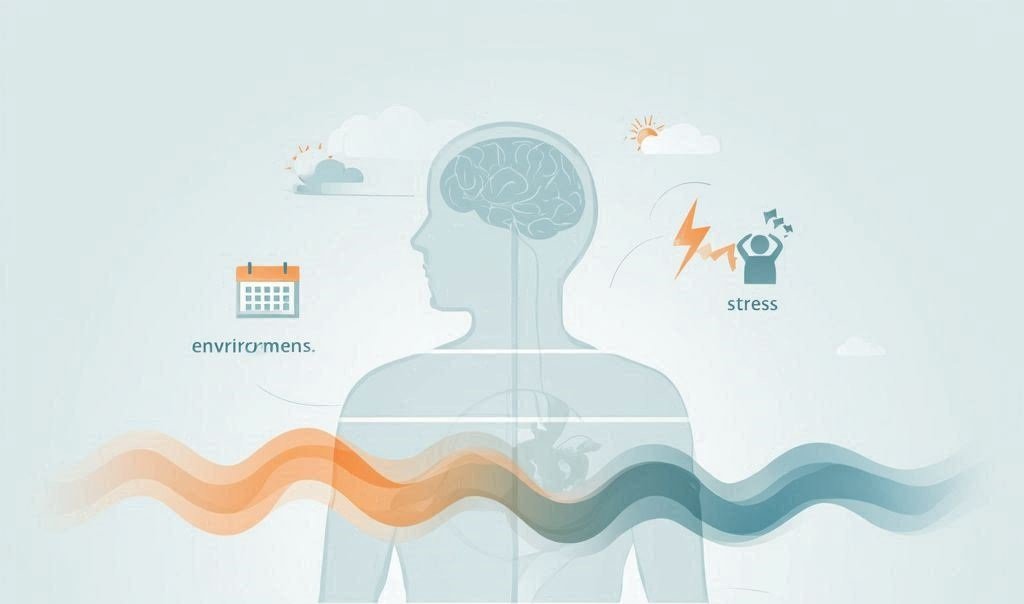
Hormonal fluctuations may change the mood and behaviours. They can take place naturally as a response to life stages or under stress, sleep patterns or as a response to the environment.
Hormones by their action on the brain connect physical processes with emotional wellbeing.
Hormones and the Stress Response
Hormones closely control the body reaction to stress. Hormones are released to make the body ready to take action when stress is detected. These alterations augment alertness, energy availability and cardiovascular output.
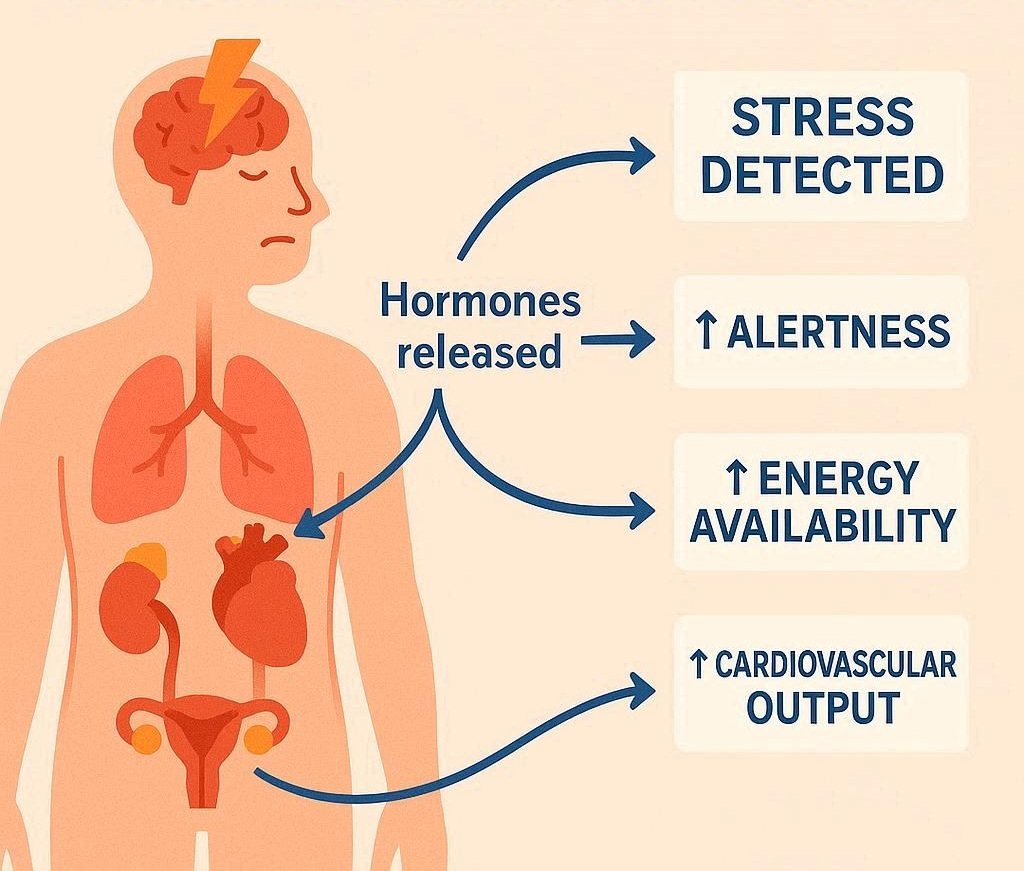
That is why, when the stressful situation is beyond, the hormone levels also resume a normal level slowly. Such a balance helps to avoid the long-term strain on the body and aids in recovery.
Long-term stress may lead to hormonal imbalance, which makes it crucial to maintain the hormone levels in balance over time.
Reproductive Control by the Hormones
The process of reproduction relies on the accurate hormonal timing. The hormones control sexual development, fertility and reproduction. They have an effect on the development of reproductive organs and the formation of reproductive cells.
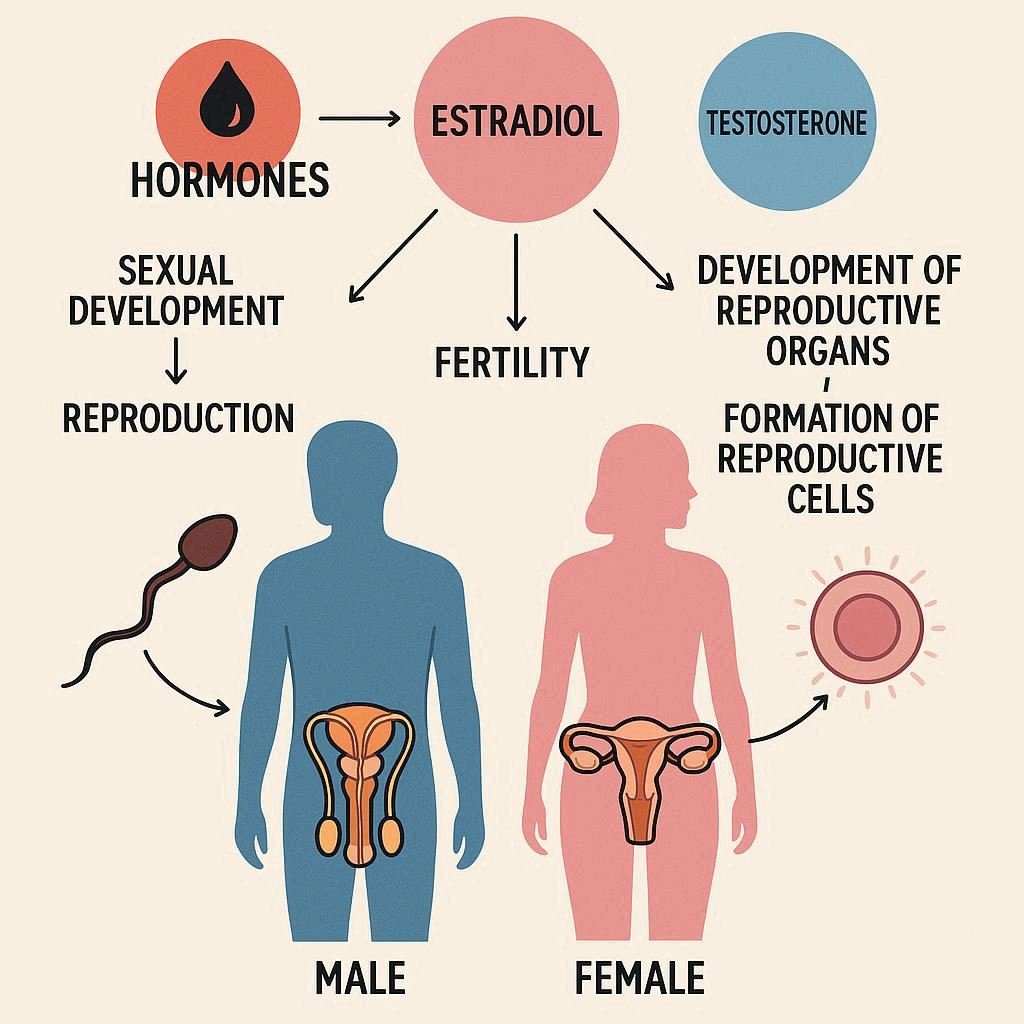
Hormones also work to make sure that the reproductive processes are done at right time and under the right conditions. These are signals that are highly controlled in order to ensure reproductive health and equilibrium.
There are secondary physical characteristics and reproductive behaviour that are affected by the influence of the reproductive hormones.
Hormone Regulation Feedback Mechanism
The levels are maintained at the right balance by the feedbacks that control the hormones. In case hormone levels increase, signals are transmitted to decrease production. The drop in levels leads to a rise in production.
This is an auto-regulatory mechanism that avoids either over or under activity of hormones. It is through feedback mechanisms that the body is able to ensure that the internal conditions are maintained in spite of the fluctuating demands.
This kind of regulation is necessary in the prevention of hormonal imbalance and health.
Hormones and Internal Balance
Hormones play a significant role in the phenomenon of homeostasis, or the capacity of the body to maintain internal stability of homeostasis. They control temperature, fluid levels, blood pressure and electrolyte level.
Through these coordination’s, hormones make cells operate under the most favorable circumstances. This consistency enables the body to be flexible to external alterations and maintain internal consistency.
Hormone equilibrium is thus essential towards survival and health.
The Hormonal Changes throughout the Lifespan
The levels of the hormones vary naturally over the course of life. Each stage of childhood, adolescence, adulthood, and aging has its characteristic patterns of hormones. These alterations have effects on growth, energy, reproduction and tissue maintenance.
These hormonal changes may be expected, but excessive imbalances may influence the health. Knowledge of such natural changes can be useful in the interpretation of physical and emotional changes in various life stages.
Hormonal flexibility enables the body to fulfill the changing physiological needs.
Misconceptions When It comes to Hormones
Hormones are generally linked to reproduction or change of mood. In actual sense, they have an impact on almost all body systems. Another myth is that hormones are independent and do not work in a network, as in fact, they create an integrated network.
The extensive role of hormones is identified to explain their significance in daily health. They do not behave in an indiscriminate way but operate under specific control systems.
Knowing these facts helps to avoid confusion and make people more informed about their health.
Why It Supplies to Learn about Hormones
Knowledge of hormones helps one get an insight of how the body balances and how it reacts to change. Hormonal imbalance is associated with numerous health disorders, and a simple understanding of hormones can be useful in identifying the initial symptoms of a disorder.
A basic-level knowledge of hormones will enable people to make their lifestyle choices with a clear idea of how to be healthy with hormones. Hormone regulation is affected by nutrition, sleep, control of stress and exercise.
Hormonal communication knowledge is helpful in increased health awareness and prevention.
Conclusion
Hormones make up the chemical system in the body, which enables the coordination of activities by the organs and tissues. Hormones control growth, metabolism, mood, reproduction and internal balance by functioning as messengers.
Hormones are manufactured, discharged, transported and acquired by target cells through the endocrine system in an amazingly precise manner. Their impact is throughout the lifespan helping to adapt, be resilient and survive.
Learning the basic principle of hormones gives one an idea of the mechanism of the body functioning as a system. This basic understanding assists in understanding the normal bodily changes as well as highlighting the significance of hormonal equilibrium to general health.