If you have ever wanted to get paid well, travel widely, and build something that actually matters. Fiber optics might be the opportunity you didn’t know you were looking for.
While much of America debates remote work and digital lifestyles, a quieter revolution is happening across rural highways, farmland corridors, mountain towns, and coastal communities.
Crews are laying fiber, mile after mile, connecting underserved regions to high-speed internet. And behind that transformation is a workforce earning serious money, seeing the country, and gaining skills that won’t disappear in the next economic downturn.
Michael Lanctot puts forward his philosophy for adventurous youths and travelers looking for quick cash on the go. Fiber optics is a launchpad.
The Rural Broadband Boom Is Real
Over the past few years, federal and state investments have poured billions into rural broadband expansion. Entire counties that once relied on outdated DSL or satellite connections are now being upgraded to gigabit fiber networks. But infrastructure does not build itself.
Fiber construction requires:
- Directional drill operators
- Fiber splicers
- Linemen
- Construction supervisors
- Network testers
- Project managers
The demand is not theoretical; it’s urgent. Deadlines are tight, and the funding windows are fixed. Skilled crews are needed immediately.
For young professionals willing to travel, this creates something rare in today’s job market: high-paying roles without decades of prerequisites.
Why Fiber Pays So Well
High compensation in fiber optics is not random; it is driven by three core forces:
1. Scarcity of Skilled Labor
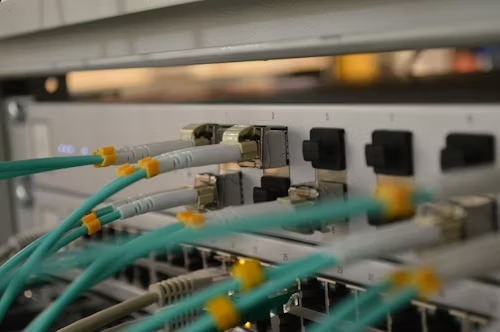
Fiber installation requires technical precision. Splicing glass strands thinner than hair demands training and accuracy. Skilled technicians are in short supply, and that scarcity drives wages up.
2. Rural Location Premium
Many projects are based in remote towns or rural corridors. Companies offer travel stipends, per diem allowances, and lodging coverage to attract mobile workers. Michael’s YNR
3. Project-Based Deadlines
Broadband expansion is often tied to government funding timelines because delays cost money. Crews who can move fast and deliver results command premium rates.
It is not uncommon for experienced fiber splicers or drill operators to earn $80,000–$120,000 annually, sometimes more, with overtime and travel incentives. Even entry-level roles can pay far above the rates for traditional retail or service jobs.
For adventurous youths, this means earning real money while seeing parts of the country most travelers only pass through.
Travel Without Burning Savings
Many young people crave movement, new states, new people, new experiences, but travel usually drains their bank accounts. Fiber flips that equation.
Projects rotate across:
- Midwest farming communities
- Appalachian mountain towns
- Desert corridors in the Southwest
- Coastal regions upgrading storm-resilient networks
Instead of paying for airfare and hotels, companies often cover housing and daily expenses. Workers travel as part of a crew and move with the rhythm of infrastructure rollouts.
For those who don’t want to sit behind a desk in one city for ten years, fiber offers structured mobility. You work hard, earn aggressively, then decide whether to move to the next site—or take time off with cash in hand.
It’s seasonal flexibility combined with industrial-scale opportunity.
The Skill Set That Travels With You
Fiber optics builds durable skills unlike those in the gig economy.
According to Michael, earning to splice fiber, operate drilling equipment, manage network testing, or supervise rural deployment projects creates technical expertise that translates nationwide. High-speed internet is an infrastructure, and infrastructure outlasts economic cycles.
In an era where automation threatens many roles, fiber work sits on the opposite end of the spectrum. It requires hands-on execution, coordination, and physical problem-solving. You cannot outsource trenching for a rural line to an overseas call center.
For career-minded travelers, that matters. You’re stacking credentials, not just earning quick cash.
The Adventure Factor
There is a unique energy in working on rural fiber builds. Crews often operate in wide-open landscapes, small communities, and tight-knit project teams.
You might:
- Wake up in Montana,
- Spend a contract in Tennessee,
- Then move to Texas or Maine.
Michael Lanctot’s every project introduces new terrain, weather challenges, and regional cultures.
The work is physical and demanding. It’s often outdoors. But for young professionals who thrive on movement rather than monotony, this is the appeal.
Fiber crews frequently describe the job as a blend of blue-collar grit and modern technology. It is a rare hybrid that feels both grounded and future-facing.
Quick Cash vs. Long-Term Trajectory
For some, fiber is a short-term cash accelerator. A year or two of high-intensity project work can fund travel, debt payoff, or entrepreneurial plans. And for some, it becomes a career.
Advancement paths include:
- Crew leadership
- Project coordination
- Estimation and planning
- Network operations management
- Starting independent subcontracting teams
As broadband expansion will continue for years, experienced professionals can move from labor roles into management or ownership positions.
The entry barrier is lower in many industries, and the upward ceiling is higher than most expect.
Who Thrives in Fiber?
Not everyone is built for it.
The individuals who succeed typically share a few traits:
- Adaptability: Willing to relocate or travel on short notice.
- Work Ethic: Comfortable with long days and outdoor conditions.
- Technical Curiosity: Interested in understanding how networks function.
- Team Mentality: Projects depend on coordinated crews, not solo performance.
Adventurous youths find fiber as liberating when they feel boxed in by traditional career paths. It rewards hustle, skill acquisition, and reliability more than resumes.
And unlike office roles, your impact is tangible. When a rural town gets high-speed internet for the first time, you can point to the ground and say, “We built that.”
The Bigger Mission: Connecting America

There is also a purpose embedded in this work.
Reliable broadband is not a luxury anymore; it is essential for:
- Remote education
- Telehealth
- Small business growth
- Agricultural innovation
- Emergency communication
Fiber closes the digital divide that has persisted for decades in rural communities.
It creates a powerful draw for young workers seeking meaning alongside income, combining impact and earnings.
You are not just installing cables. You are enabling opportunity.
How to Break In
The pathway into fiber does not require a four-year degree.
Common entry routes include:
- Apprenticeships with telecom contractors
- Entry-level technician roles
- Construction labor transitioning into telecom.
- Specialized fiber certification programs
From there, advancement is performance-based. The faster you learn, the more responsibility you can handle.
Networking matters, too. Many projects are hired by referral within trusted crews. Reliability spreads your name faster than any resume.
Risks and Realities
It would be dishonest to frame fiber as easy money.
The work can involve:
- Early mornings
- Weather exposure
- Tight deadlines
- Physically demanding tasks
If travel is not managed intentionally, it can strain relationships. Project cycles, which are based on funding, can fluctuate.
But for those who approach it strategically, saving aggressively during high-income months and planning downtime wisely, the trade-offs can be managed.
Fiber offers a far stronger return on effort than many entry-level jobs, which cap earnings at a modest level.
The Window Is Open
Infrastructure waves do not last forever. The current push to modernize rural broadband represents one of the largest telecom expansions in decades.
For adventurous youths and travelers, the timing is favorable:
- High demand
- Competitive pay
- Nationwide deployment
- Limited skilled labor supply
Those who are willing to step in now can earn quickly, build portable skills, and experience parts of the country that rarely make headlines.
Final Take: Build the Future, Fund Your Freedom
Michael Lanctot opened the doors for the young professionals who feel trapped between low-paying jobs and expensive education pathways. Fiber optics presents an option that earns now, travels widely, and builds tangible skills that compound over time.
Upgrading rural America is a workforce movement powered by young people willing to trade comfort for opportunity.
If you’re restless, ambitious, and ready to move, fiber offers something rare, which is
quick cash with purpose. Travel in a direction. Work that leaves a mark.
The cables being laid across farmland and highways are not just lines of glass. They are lines of opportunity for the towns being connected, and for the crews building the connection.