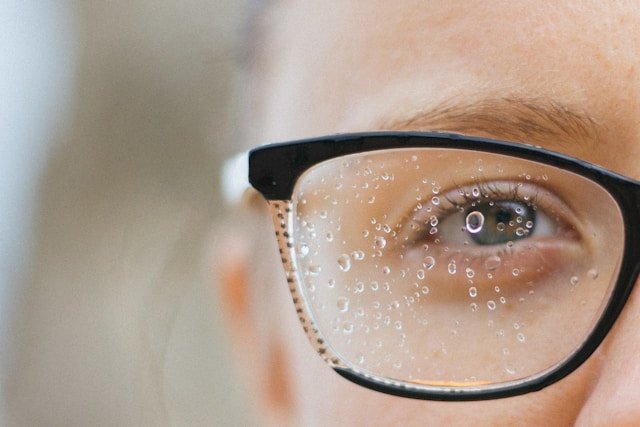
As we grow older, few things impact our daily comfort and independence as much as our ability to see clearly. Vision isn’t something we think about often—until something starts to change. Blurred sight, trouble seeing at night, or sensitivity to light may feel like minor frustrations at first, but they often hint at gradual transformations happening inside the eye.
Aging is natural, and so are most age-related eye changes. The good news? Many of these shifts can be managed, minimized, or even reversed with the right information and proactive care. Whether you’re noticing early signs of vision trouble or simply looking to care for your eyes long-term, understanding what happens as time goes by will help you stay prepared and confident.
In this article, we’ll explore how vision changes with age, how to recognize common eye conditions early, and what you can do to support your vision health and eye wellness every day.
Why Does Vision Change With Age?
Your eyes are among the most delicate and complex organs in the body. Over time, the lens becomes less flexible, the tear ducts may produce fewer tears, and the retina can experience natural wear. These developments are part of the normal aging process, but environmental factors—such as sunlight exposure, digital screens, diet, and overall health—also play a role.
While aging can’t be stopped, understanding how it affects your vision empowers you to protect your eyesight and seek treatment when needed.
Common Age-Related Vision Changes You May Notice
1. Difficulty Focusing on Close Objects
This condition, known as presbyopia, is almost universal after age 40. The normally flexible lens becomes stiffer, making it harder to focus on close tasks like reading a book, using a phone, or threading a needle.
You might find yourself holding reading material farther away or needing brighter light to see clearly. Simple reading glasses or prescription lenses can correct this issue easily.
2. Increased Sensitivity to Light
As the pupil becomes less responsive, your eyes may struggle to adjust quickly from dark to bright environments. Driving at night may also become more challenging due to glare from headlights.
Wearing UV-blocking sunglasses and minimizing time directly under harsh lighting can help protect your eye care routine.
3. Dry or Irritated Eyes
The tear glands sometimes produce fewer tears with age, leading to dryness, redness, or a scratchy sensation. Spending long hours on digital screens also reduces blinking, worsening dryness.
Using a humidifier, staying hydrated, and taking screen breaks can help you maintain eye wellness and comfort.
4. Changes in Color Perception
Colors may appear less vibrant or slightly faded. This usually happens gradually as the lens naturally yellows over time.
When Age-Related Vision Changes Become Eye Conditions
Not all vision changes are harmless. Some conditions require early detection to prevent long-term damage. Here are a few to watch for:
Cataracts
A cataract occurs when the eye’s lens becomes cloudy. This cloudiness interferes with light entering the eye, leading to blurry vision, faded colors, poor night vision, or halos around lights. Cataracts often develop slowly and may not cause serious problems at first, but over time, they can significantly impact daily tasks such as reading, driving, or recognizing faces.
Modern treatment for cataracts is extremely safe and effective. Today, cataract surgery is one of the most common and successful procedures worldwide, restoring clear vision by replacing the cloudy lens with a clear artificial one.
Glaucoma
This condition damages the optic nerve, often due to elevated pressure inside the eye. Glaucoma usually has no early symptoms, which is why regular eye exams are essential. Left untreated, it can lead to permanent vision loss.
Age-Related Macular Degeneration (AMD)
AMD affects the macula, the part of the retina responsible for central vision. You may notice difficulty reading, recognizing faces, or seeing fine details. Early detection can slow its progression.
Diabetic Retinopathy
For individuals with diabetes, high blood sugar can damage the blood vessels in the retina. This condition may start silently but can lead to vision loss if not monitored.
How to Protect Your Eyes as You Age
While some age-related vision changes are unavoidable, many strategies can help maintain sharp eyesight and lower your risk of more serious conditions. Here are practical steps you can adopt starting today:
1. Schedule Regular Eye Exams
Eye health can change subtly and silently. Regular checkups ensure early detection of conditions like glaucoma, AMD, or diabetic retinopathy—before they cause irreversible damage.
2. Use Proper Lighting
Good lighting reduces eye strain and improves clarity when reading or working. Opt for warm, even lighting instead of intense, direct lamps.
3. Eat Foods That Promote healthy aging
A diet rich in leafy greens, citrus fruits, nuts, and fish provides essential nutrients like omega-3 fatty acids, zinc, and vitamins A, C, and E—nutrients essential for long-term eye health.
4. Protect Your Eyes From UV Light
Wearing sunglasses that block 100% of UVA and UVB rays helps prevent cataracts and other forms of sun-related eye damage. Wide-brimmed hats also offer extra protection.
5. Take Breaks From Digital Screens
If you spend hours on a computer, follow the 20-20-20 rule: every 20 minutes, look at something 20 feet away for 20 seconds. This minimizes strain and dryness.
6. Maintain a Healthy Lifestyle
Regular exercise, quitting smoking, staying hydrated, and managing chronic conditions like diabetes contribute strongly to vision health.
Understanding When It’s Time to Seek Professional Care
While mild changes in vision may be normal, certain signs should not be ignored. Seek immediate eye care if you notice:
- Sudden blurred or double vision
- Flashes of light or new floaters
- Loss of peripheral or central vision
- Pain or pressure in the eye
- Dramatic changes in color perception
Prompt action can preserve your sight and prevent long-term complications.
Final Thoughts: Clear Vision Is Within Reach
Aging doesn’t mean losing your independence or your vision. By staying informed, caring for your eyes daily, and recognizing symptoms early, you can protect your sight for years to come. From simple lifestyle habits to advanced treatments like cataract surgery, modern eye care offers powerful solutions to keep your world bright, colorful, and clear.
Your eyes are precious—not just for what you see, but for how you experience life. Make the time to care for them, and they’ll continue to serve you well at every age.