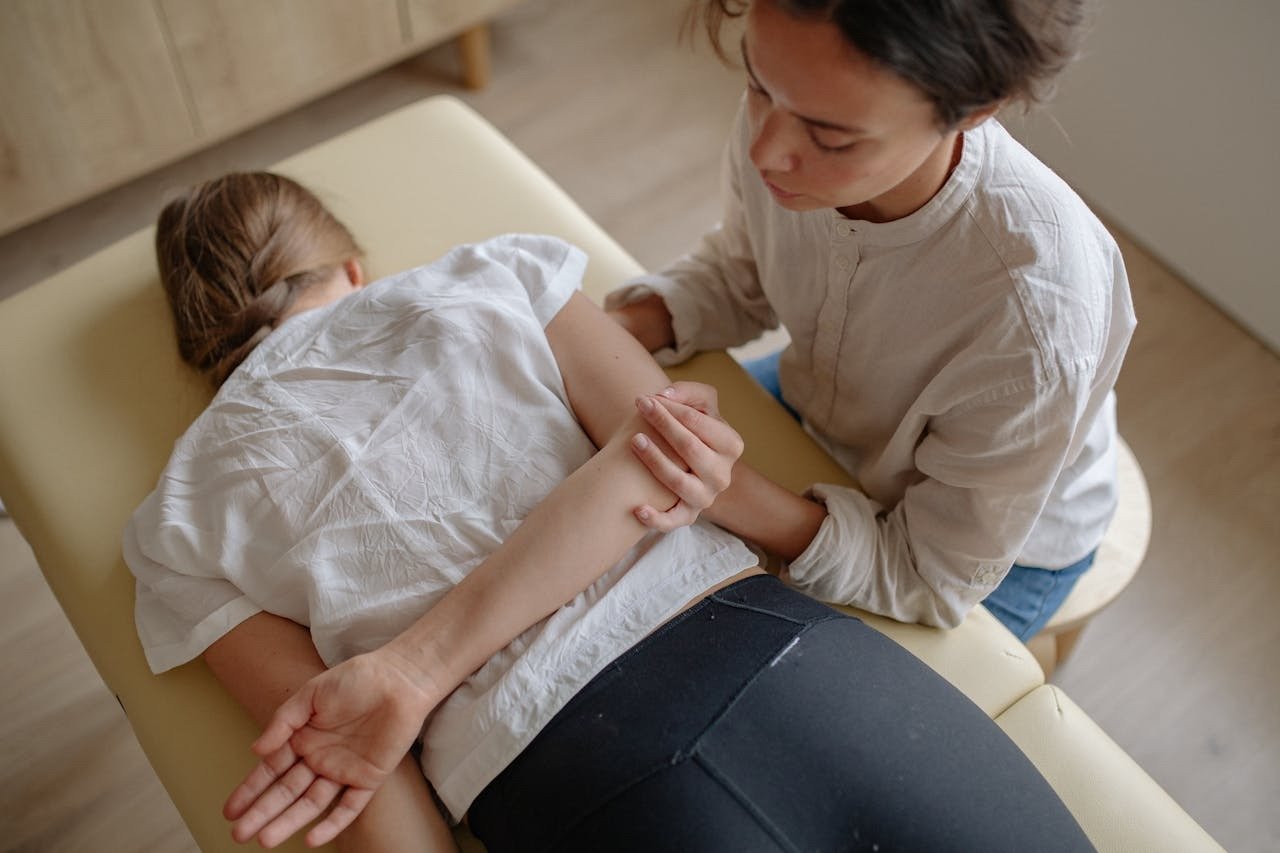
Trigger finger, also known as stenosing tenosynovitis, is a condition characterized by pain, stiffness, and a catching or locking sensation when bending or straightening the finger. Treatment aims to reduce inflammation, restore smooth finger motion, and alleviate discomfort. By addressing the underlying causes, trigger finger treatment improves hand functionality and quality of life. Effective interventions can prevent complications and help individuals resume daily activities without pain or limitations.
Effective Trigger Finger Treatment Options For Lasting Relief
Trigger finger treatment can be managed through a variety of treatment methods, depending on the severity of symptoms. Mild cases often benefit from rest, splinting, and nonsteroidal anti-inflammatory drugs (NSAIDs) to reduce swelling. Physical therapy and stretching exercises can enhance finger flexibility. For moderate cases, corticosteroid injections provide significant relief by reducing tendon sheath inflammation. Severe cases may require surgical release to restore normal tendon movement and ensure lasting relief.
Common Causes And How Trigger Finger Treatment Can Help
Trigger finger occurs when the tendon sheath in the affected finger becomes inflamed or thickened, restricting smooth tendon movement. Common causes include repetitive hand motions, gripping tools for extended periods, and medical conditions like diabetes or rheumatoid arthritis. Proper treatment targets these underlying factors. Anti-inflammatory medications, activity modifications, and physical therapy help manage symptoms effectively, while advanced options like injections or surgery address persistent or severe cases, ensuring optimal hand function.
Natural Remedies For Trigger Finger Treatment At Home
Natural remedies can provide relief for mild cases of trigger finger. Applying a cold compress reduces swelling, while warm water soaks ease stiffness. Stretching exercises improve finger flexibility, and gentle massage around the affected area promotes circulation. Using splints during activities minimizes strain. Anti-inflammatory diets rich in omega-3 fatty acids, turmeric, and ginger may also help. These home-based remedies complement medical advice for managing symptoms naturally and effectively.
Surgical Trigger Finger Treatment For Severe Cases
When non-surgical options fail to relieve symptoms, surgical intervention becomes necessary. Trigger finger release surgery involves making a small incision to release the constricted tendon sheath, restoring smooth finger movement. The procedure is typically performed on an outpatient basis under local anesthesia. Post-surgery, physical therapy aids recovery and ensures full mobility. Surgery offers a permanent solution for severe cases, significantly improving hand function and quality of life.
Early Signs That Require Trigger Finger Treatment
Recognizing early signs of trigger finger is crucial for timely treatment. Common symptoms include pain at the base of the affected finger, stiffness, and difficulty straightening or bending the finger. A noticeable popping or clicking sensation during movement often precedes more severe locking or catching. Addressing these signs early with rest, splinting, or physical therapy prevents worsening of the condition, ensuring faster recovery and avoiding invasive treatments.
Expert Tips For Choosing The Right Trigger Finger Treatment
Selecting the most suitable treatment requires careful consideration of symptoms and individual needs. Consult a healthcare professional for an accurate diagnosis and personalized plan. Begin with conservative treatments like splinting or NSAIDs for mild cases. For moderate conditions, corticosteroid injections can be highly effective. Severe cases may necessitate surgery. Understanding the risks, benefits, and recovery timelines of each option ensures informed decisions, enabling optimal outcomes for trigger finger management.
Conclusion
Trigger finger treatment can significantly impact daily life, but effective treatments are available to address varying degrees of severity. Early recognition and timely intervention play a vital role in managing symptoms and preventing progression. From natural remedies and non-invasive therapies to surgical options for severe cases, a wide range of solutions cater to individual needs. By consulting with medical experts and adopting a tailored approach, individuals can restore hand functionality and enjoy a pain-free lifestyle.