
When a car accident occurs, the immediate concern often focuses on visible injuries. However, it is important not merely to address the physical damages but to also recognize the possibility of internal injuries. Symptoms of such injuries, like traumatic brain injuries or internal bleeding, might not become apparent until hours or even days after the incident. Therefore, prompt medical attention is crucial to diagnose and treat these potential issues effectively.
In addition to the physical repercussions, the emotional aftermath of a car accident can be profound. Survivors may experience a range of emotions, from shock and disbelief to anger and sadness. These are normal reactions to an abnormal and distressing event. Acknowledging and addressing these feelings early can prevent them from evolving into more severe mental health issues.
Moreover, the potential for developing post-traumatic stress disorder (PTSD) or anxiety after such an event is significant. The onset of PTSD symptoms can make daily tasks seem insurmountable and can significantly impact one’s quality of life. Seeking professional help, such as PTSD treatment Hawaii, can be a critical step in the healing process.
Key Steps to Take Immediately After a Car Accident
Immediately following a car accident, your safety and the safety of others should be the primary concern. Check yourself and any passengers for injuries and call emergency services if medical attention is needed. Remain at the scene and be sure to move to a safe area to avoid any further harm from oncoming traffic or other hazards.
After ensuring personal safety, exchange information with the other parties involved and document the scene. Take photographs of the vehicles, any damages, and the surrounding area. This documentation will be invaluable for insurance claims and any necessary legal proceedings.
In the days following the accident, contact your insurance company to initiate a claim. It’s advisable to consult with a car accident attorney in New Orleans to understand your legal rights and ensure that you receive fair compensation for damages and injuries sustained. Reputable legal advice can also help navigate any potential challenges that may arise during the claims process.
Navigating Medical Treatment and Rehabilitation Post-Accident
Receiving comprehensive medical evaluation after a car accident is essential, even if you feel fine. Some injuries may not present immediate symptoms, and early detection can make a significant difference in treatment outcomes. Your healthcare provider can offer a thorough assessment and recommend any necessary diagnostic tests, such as X-rays or MRIs.
Depending on the nature and extent of your injuries, you may require various types of treatment. These can range from surgery and hospitalization for acute injuries to physical therapy and chiropractic care for rehabilitation purposes.
Also, consider the role of complementary therapies in your rehabilitation plan. Treatments such as massage, acupuncture, or occupational therapy can provide relief from pain and aid in the recovery process.
Strategies for Emotional and Psychological Recovery

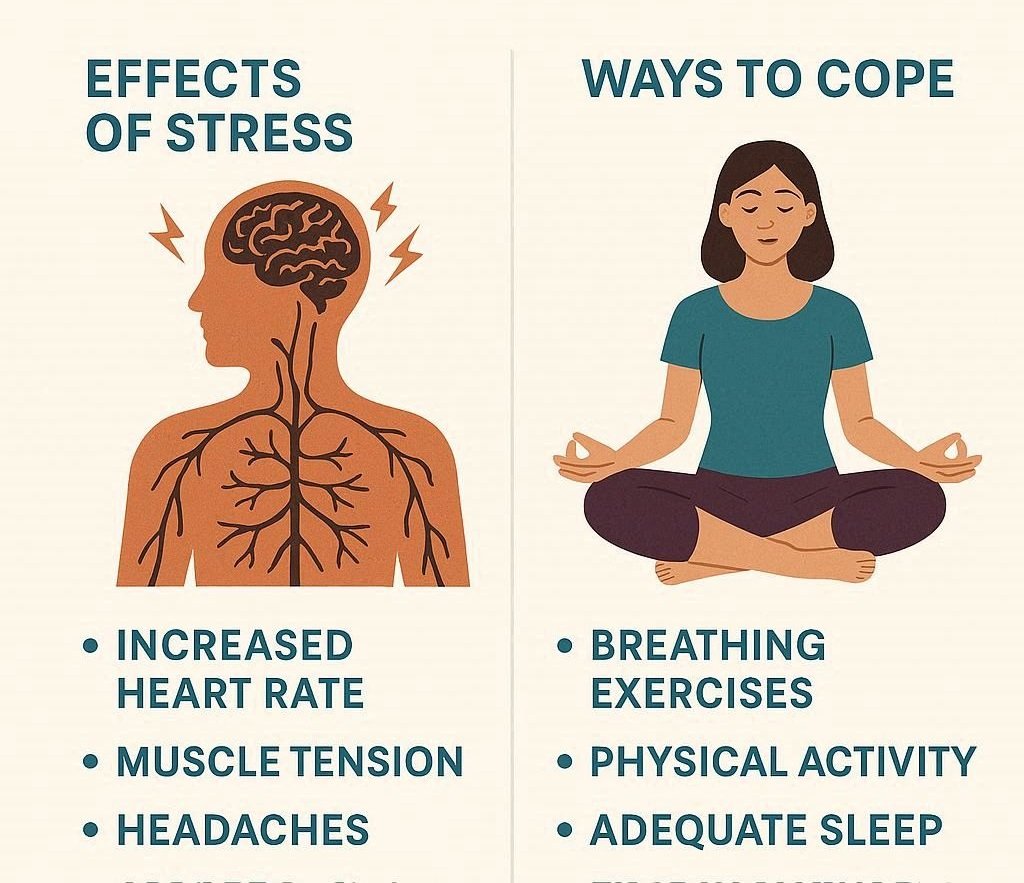
Physical recovery from a car accident is only one part of the healing process. The emotional and psychological scars need attention and care as well. Engaging with a mental health professional can equip you with coping mechanisms to deal with the psychological aftermath of the trauma. Cognitive-behavioral therapy and other therapeutic techniques can prove effective for managing stress, anxiety, and PTSD symptoms.
Moreover, establishing a support system is vital. Reaching out to friends, family, or support groups can provide comfort and understanding. Sharing your experience with others who can empathize can be incredibly powerful in your emotional recovery journey.
Self-care activities should also be a priority. Whether it’s through relaxation techniques, gentle exercise, or engaging in hobbies you love, making time for activities that bring you joy can significantly impact your overall well-being. These positive experiences can help offset the stress and give you reprieve from the challenges of recovery.
Lastly, maintain patience with the process. Emotional and psychological healing can’t be rushed. Allow yourself grace as you navigate through your emotions, and remember that recovery is a personal journey that unfolds in its own time.
Overall, recovering from a traumatic car accident requires a multifaceted approach that addresses physical, emotional, and psychological needs. Remember, your journey to recovery is just that—yours. Take one day at a time and never hesitate to seek out the support you need at each step along the way.

Absolutely composed subject matter, Really enjoyed reading through.
Good day! I simply would like to give an enormous thumbs up for the nice data you may have here on this post. I will probably be coming again to your blog for extra soon.
I loved as much as you will receive carried out right here. The sketch is tasteful, your authored subject matter stylish. nonetheless, you command get bought an impatience over that you wish be delivering the following. unwell unquestionably come further formerly again as exactly the same nearly very often inside case you shield this increase.
Admiring the hard work you put into your blog and in depth information you provide. It’s good to come across a blog every once in a while that isn’t the same outdated rehashed material. Excellent read! I’ve bookmarked your site and I’m adding your RSS feeds to my Google account.
Hey very nice blog!! Man .. Beautiful .. Amazing .. I will bookmark your website and take the feeds also…I’m happy to find so many useful info here in the post, we need develop more strategies in this regard, thanks for sharing. . . . . .