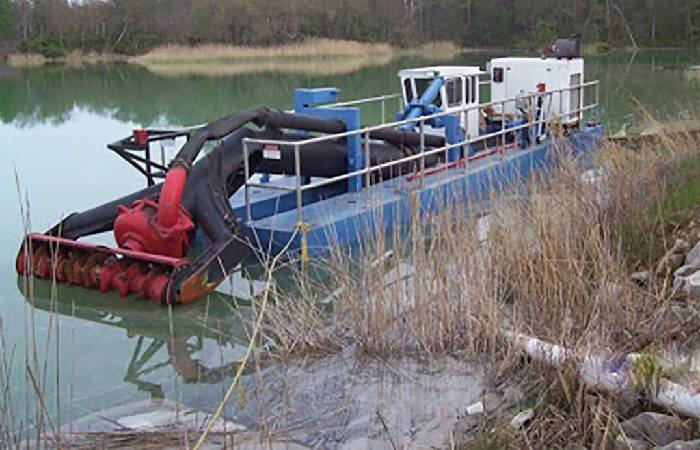
Small dredges offer a range of benefits when it comes to marine projects, particularly for those requiring precision and minimal disruption to the environment. Their compact size allows for flexibility in shallow waters, making them ideal for tasks such as dredging harbors, ponds, and smaller waterways. Small dredges are also cost-effective due to their lower initial investment, reduced operational costs, and ease of transportation. Their adaptability makes them a practical choice for projects with limited budgets or space constraints, while still delivering effective and efficient results.
Key Features To Look For In A Small Dredge
When selecting a small dredge, it’s essential to prioritize key features to ensure optimal performance. The dredge’s pump capacity and suction power are crucial, as they determine how effectively it can remove sediment from the waterbed. Durability is another important consideration, with robust materials and corrosion-resistant components essential for long-term operation in marine environments. Additionally, maneuverability, ease of maintenance, and operator-friendly controls are important for smooth operation and minimizing downtime. These features ensure that the small dredge can perform efficiently while standing up to the challenges of marine dredging.
How A Small Dredge Enhances Waterway Maintenance Efficiency?
A small dredge plays a pivotal role in enhancing waterway maintenance efficiency by providing precise and consistent sediment removal. Their compact design allows for easy access to hard-to-reach areas, such as narrow channels or shallow bays, which larger dredging equipment cannot navigate effectively. With a small dredge, maintenance tasks such as clearing debris, improving water flow, and preventing flooding can be accomplished more swiftly. The high maneuverability of small dredges also means they can operate with minimal disruption to surrounding infrastructure, saving time and costs while maintaining waterway functionality.
The Role Of A Small Dredge In Environmental Conservation
Small dredges contribute significantly to environmental conservation efforts, offering eco-friendly solutions for maintaining waterways without causing substantial harm to the ecosystem. Their smaller size and precision allow operators to target specific areas that require dredging, thereby minimizing disturbances to the aquatic environment. Small dredges are also equipped with features that help prevent the release of harmful sediments into the water, contributing to better water quality. By efficiently removing invasive species, pollutants, and excess sediment, small dredges help maintain healthy aquatic habitats and support sustainable water management practices.
Choosing The Right Small Dredge For Your Project
Selecting the right small dredge for a project involves careful consideration of several factors, including the type of material being dredged, water depth, and project duration. It’s important to match the dredge’s specifications with the requirements of the task at hand. For instance, a dredge with a higher suction capacity may be required for projects involving heavy, compacted sediment. Operators should also evaluate the dredge’s ease of operation, fuel efficiency, and maintenance requirements. By taking these factors into account, project managers can ensure they select a small dredge that will provide the best value and performance for their specific needs.
Operating A Small Dredge For Optimal Performance
Operating a small dredge for optimal performance requires skilled handling and attention to operational details. Operators should be familiar with the dredge’s specific capabilities, including its suction power, sediment removal efficiency, and overall stability. Regular maintenance is crucial to ensure that the dredge continues to perform at its best throughout the project, preventing costly downtime. Proper training is essential to optimize fuel consumption and reduce wear and tear on the machine. Additionally, understanding the ideal operating conditions, such as water depth and flow rate, can help maximize the dredge’s efficiency and productivity, ensuring the project stays on schedule and within budget.
Small Dredge Vs. Larger Equipment For Different Dredging Needs
When deciding between a small dredge and larger equipment, it’s important to consider the scale and complexity of the dredging project. Small dredges excel in confined spaces, shallow areas, and smaller-scale projects where precision is key. They are also more maneuverable and less intrusive compared to their larger counterparts. On the other hand, larger dredges are better suited for deep-water projects or those requiring extensive material removal. The choice between small and large equipment largely depends on the specific needs of the project, including the environmental impact, budget constraints, and desired outcomes. Both types of equipment have their distinct advantages and should be selected accordingly.
Conclusion
Small dredges provide a range of benefits for marine projects, particularly when it comes to efficiency, cost-effectiveness, and environmental preservation. Their compact design makes them versatile for use in small or narrow waterways, while their key features such as durability, pump capacity, and maneuverability ensure effective performance. By understanding how small dredges enhance waterway maintenance and contribute to environmental conservation, project managers can make informed decisions about their selection and operation. Ultimately, small dredges offer a practical, eco-friendly solution for a wide variety of dredging needs, from small-scale maintenance to larger environmental restoration projects.