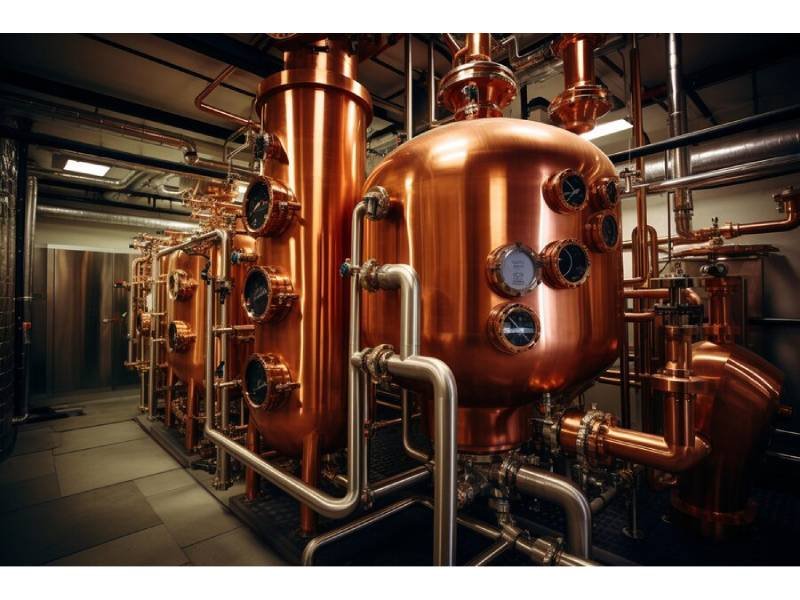
Hot water coil boilers offer a range of benefits that make them a popular choice for residential heating. One of the primary advantages is their efficiency in converting fuel into heat. Hot water coil boilers are designed to heat water directly through a coil, which is immersed in the combustion chamber. This direct heating method ensures that the water is heated quickly and efficiently, reducing energy consumption compared to other heating methods. Additionally, these boilers provide consistent and reliable hot water, which is essential for maintaining comfort in your home. They are also known for their durability and longevity, with many models featuring high-quality materials and construction that can withstand years of use. Another significant benefit is their versatility. Hot water coil boilers can be used in various heating systems, including radiators, underfloor heating, and domestic hot water systems, providing flexibility to meet different heating needs. Moreover, modern hot water coil boilers often come with advanced controls and automation features, allowing for precise temperature regulation and energy management. This can lead to further savings on energy bills and enhanced comfort. Overall, the benefits of hot water coil boilers make them a practical and efficient choice for home heating.
How a Hot Water Coil Boiler Enhances Your Home’s Energy Efficiency?
A hot water coil boiler significantly enhances a home’s energy efficiency through its design and operational features. One of the key factors contributing to its efficiency is the direct heating of water through the coil system. This method ensures that the heat generated from burning fuel is transferred efficiently to the water, minimizing heat loss and maximizing energy use. Additionally, hot water coil boilers are often equipped with advanced technology such as modulating burners and intelligent controls. These features allow the boiler to adjust its output based on the heating demand, reducing energy waste and improving overall efficiency. The insulation and construction of modern hot water coil boilers also play a crucial role in energy efficiency. High-quality insulation helps to retain heat within the boiler, reducing the need for frequent heating cycles and lowering energy consumption. Furthermore, many hot water coil boilers are designed to operate with multiple energy sources, including natural gas, oil, or renewable energy options. This versatility allows homeowners to choose the most cost-effective and environmentally friendly energy source available. By optimizing energy use and reducing waste, hot water coil boilers contribute to lower energy bills and a reduced carbon footprint, making them an excellent choice for energy-conscious homeowners.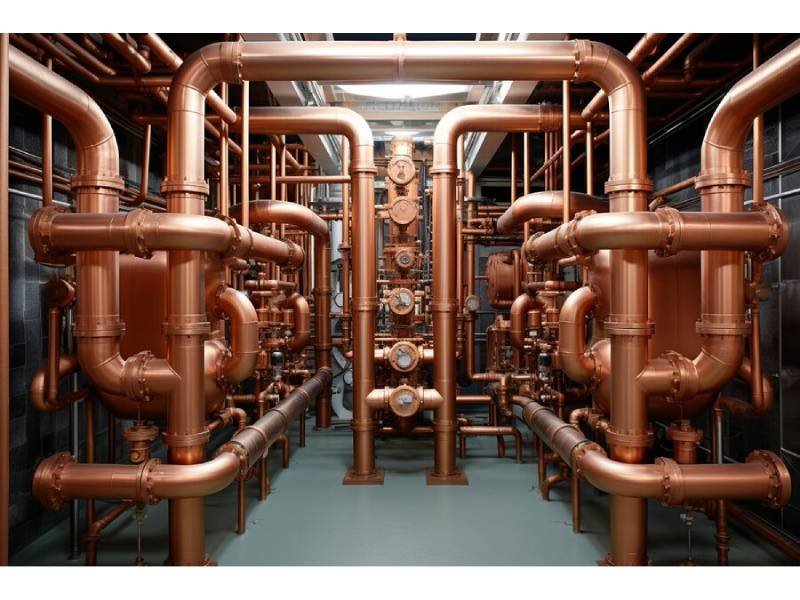
A Comprehensive Guide to Operating Your Hot Water Coil Boiler Efficiently
Operating a hot water coil boiler efficiently involves several key practices that ensure optimal performance and longevity. First and foremost, it’s important to regularly monitor and adjust the boiler’s settings to match the heating needs of your home. This includes setting the correct temperature for your water and ensuring that the boiler operates at peak efficiency. Utilizing the built-in controls and programming features can help manage heating schedules and reduce energy consumption during periods of low demand. Regular maintenance is also crucial for efficient operation. This includes cleaning the boiler and checking the condition of the coil, as well as inspecting other components such as the burner and thermostat. Ensuring that the system is free from debris and scaling will prevent blockages and improve heat transfer. Additionally, maintaining proper water quality is essential. Using water treatment solutions can prevent issues such as corrosion and scaling, which can affect the boiler’s performance. It’s also important to conduct annual inspections by a qualified technician to identify and address any potential issues before they become serious problems. By following these practices, you can ensure that your hot water coil boiler operates efficiently, providing reliable heating and hot water while minimizing energy costs.
Comparing Hot Water Coil Boiler to Other Heating Systems
When comparing hot water coil boilers to other heating systems, several factors come into play, including efficiency, cost, and overall performance. Hot water coil boilers are known for their efficiency in heating water quickly and effectively, which can lead to lower energy consumption compared to some other systems. For instance, traditional steam boilers, while effective, often experience greater heat loss and inefficiencies due to the nature of steam distribution and condensation. Radiant floor heating systems, on the other hand, offer a high level of comfort but can be more expensive to install and may not provide the same rapid response as a hot water coil boiler. Additionally, hot water coil boilers can be more versatile in their applications, as they can be integrated into various heating systems, including radiators and underfloor heating. This flexibility allows for better customization to meet specific heating needs. When comparing costs, hot water coil boilers may have a higher initial investment compared to some conventional heating systems. However, their energy efficiency and durability often result in long-term savings on energy bills and maintenance. It’s also worth considering the availability of different energy sources for hot water coil boilers, which can impact overall operating costs. Ultimately, the choice between a hot water coil boiler and other heating systems depends on individual preferences, budget, and specific heating requirements.
Key Maintenance Tips for Your Hot Water Coil Boiler
Proper maintenance is essential for ensuring the optimal performance and longevity of your hot water coil boiler. One of the most important maintenance tasks is regularly checking and cleaning the boiler’s components. This includes the coil, which should be inspected for signs of scaling or corrosion that can impede heat transfer. Cleaning the coil and other internal components will help maintain efficient operation and prevent potential issues. Additionally, it’s important to check and maintain the water quality within the system. Using water treatment solutions can help prevent scaling, corrosion, and other issues that can affect the boiler’s performance. Regularly testing the water and adjusting the treatment as needed will ensure that the system operates efficiently. Another key maintenance task is inspecting the boiler’s burner and controls. Ensuring that the burner is functioning properly and that the controls are accurately regulating the temperature will help maintain efficient operation and prevent energy waste. It’s also important to regularly check for any leaks or signs of wear and tear in the system. Addressing these issues promptly can prevent more serious problems and extend the life of the boiler. Lastly, scheduling annual inspections by a qualified technician is essential for identifying and addressing any potential issues before they become serious problems. By following these maintenance tips, you can ensure that your hot water coil boiler continues to operate efficiently and reliably.
Why Choosing a Hot Water Coil Boiler Can Save You Money?
Choosing a hot water coil boiler can lead to significant cost savings over time, primarily due to its efficiency and reliability. One of the main ways a hot water coil boiler saves money is through its efficient use of energy. The direct heating method used by these boilers ensures that the energy from burning fuel is effectively transferred to the water, minimizing heat loss and reducing overall energy consumption. This can result in lower energy bills compared to less efficient heating systems. Additionally, hot water coil boilers are known for their durability and longevity. Investing in a high-quality boiler can mean fewer repairs and replacements over the life of the system, further contributing to cost savings. The versatility of hot water coil boilers also allows homeowners to choose the most cost-effective energy source available, whether it’s natural gas, oil, or renewable energy options. This flexibility can help further reduce operating costs. Moreover, the advanced controls and automation features found in modern hot water coil boilers enable precise temperature regulation and efficient operation. This can help avoid unnecessary heating and reduce energy waste. By optimizing energy use and reducing maintenance and repair costs, a hot water coil boiler can provide substantial long-term savings for homeowners.
Troubleshooting Common Issues with Your Hot Water Coil Boiler
Troubleshooting common issues with a hot water coil boiler involves identifying and addressing problems that can affect the system’s performance. One common issue is insufficient hot water or low water temperature. This can be caused by several factors, including a malfunctioning thermostat, a clogged coil, or an issue with the burner. Checking and adjusting the thermostat settings, cleaning the coil, and inspecting the burner can help resolve this issue. Another common problem is uneven heating or hot spots. This can occur if there are air pockets in the system or if the water flow is obstructed. Bleeding the radiators or checking for blockages in the pipes can help address uneven heating. Additionally, strange noises such as banging or whistling can indicate issues with the boiler, such as water hammer or a faulty pump. Investigating the source of the noise and addressing any mechanical issues can help resolve this problem. Leaks or dripping from the boiler are also common issues that require prompt attention. Leaks can be caused by faulty seals or connections, and addressing these issues can prevent further damage.
The Installation Process for a Hot Water Coil Boiler: What to Expect?
The installation process for a hot water coil boiler involves several key steps to ensure that the system is set up correctly and operates efficiently. The first step is to select the appropriate location for the boiler. It should be installed in a well-ventilated area with adequate clearance for maintenance and repair. Once the location is chosen, the installation team will prepare the site by ensuring that all necessary utilities, such as gas, water, and electrical connections, are available and properly configured. The next step is to install the boiler itself, which involves mounting the unit and connecting it to the existing heating system. This includes connecting the hot water coil to the piping network and ensuring that all connections are secure and leak-free. The installation team will also need to set up the boiler’s controls and programming features to ensure that it operates efficiently and meets the heating needs of the home. After the installation is complete, the system will undergo a thorough testing process to verify that it is functioning correctly and that there are no issues with the installation. This may include checking for leaks, testing the controls, and ensuring that the system is heating water to the desired temperature. Finally, the installation team will provide instructions on how to operate and maintain the boiler, as well as any necessary documentation and warranties. By following these steps and ensuring a professional installation, you can ensure that your hot water coil boiler operates efficiently and provides reliable heating for years to come.
Conclusion
A hot water coil boiler offers numerous advantages for home heating, including efficiency, versatility, and durability. Understanding the benefits of this heating system, how it enhances energy efficiency, and how to operate and maintain it effectively can help homeowners make informed decisions and optimize their heating systems. Comparing hot water coil boilers to other heating systems reveals their strengths in efficiency and flexibility, while proper maintenance and troubleshooting can ensure long-term reliability. The installation process, when carried out professionally, sets the foundation for a well-functioning system that delivers consistent and reliable hot water. By considering these aspects and making informed choices, homeowners can enjoy the many benefits of a hot water coil boiler, including cost savings and improved comfort in their homes.