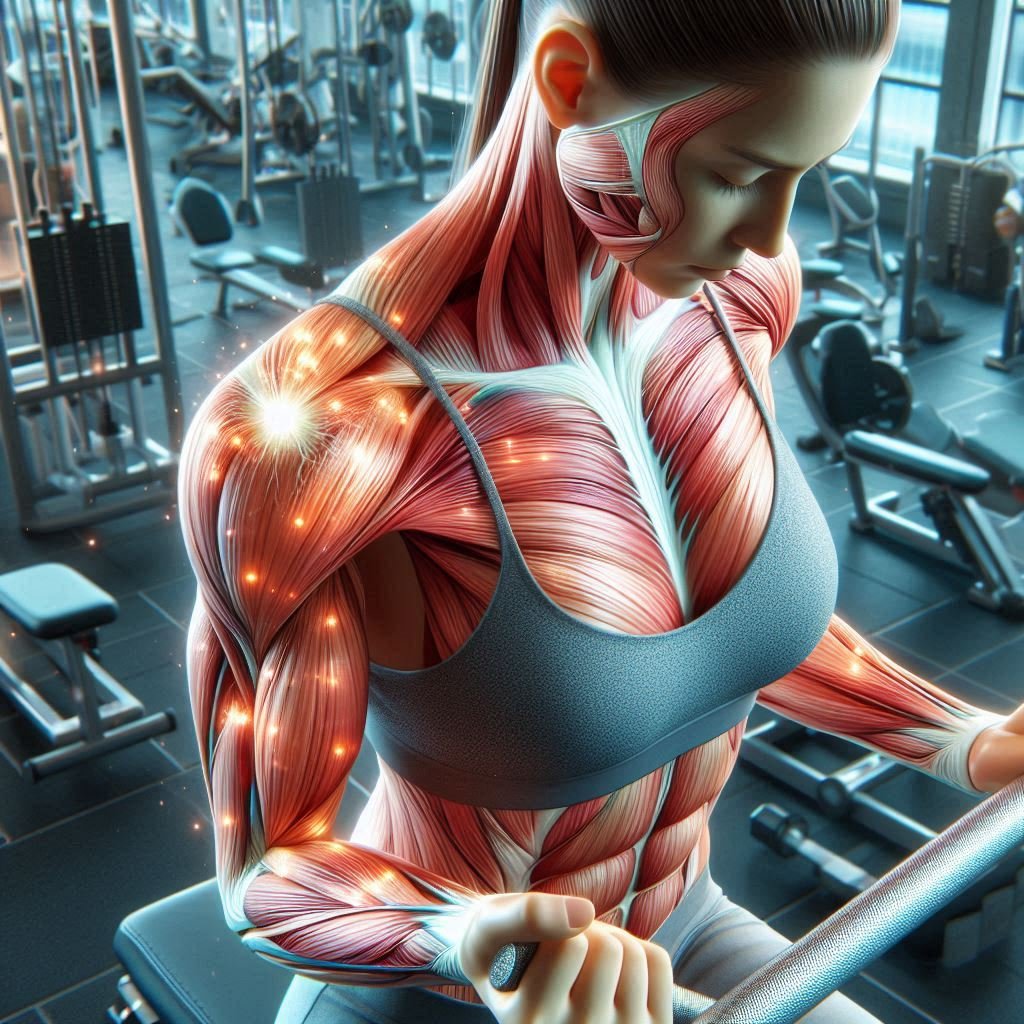
Fatigue in muscles is an ordinary experience in the process of physical activity, be it lifting weights, running, or execution of daily chores. It is the feeling of decreased power or inability of muscles to go on working with the same intensity. Muscle fatigue being a limitation in sports is not the actual situation as it is a natural physiological process which is significant in avoiding overworking and body injury.
During exercise, muscles are repeatedly stressed and they are subjected to a chain of intricate biochemical and neurological transformations. The changes influence the efficiency with which the muscle fibers can produce force. With time, the performance drops, and the body informs about the necessity of rest or less intensity. The explanation of the reasons of such occurrence might assist people in better training strategies and sustaining better overall performance.
It is possible to make informed pacing, nutrition, hydration, and recovery choices by investigating the causes of muscle fatigue (energy depletion, accretion of metabolic byproducts, and the lack of neural stimulation). These aspects are important to maintain physical exercise and fulfil the long-term fitness objectives.
What Is Muscle Fatigue?
A muscle fatigue can be defined as a short-term loss in the capacity of a muscle to generate force or sustain performance. It may happen when one is undergoing strenuous workouts, when one is engaged in physical work or even in routine activities. Fatigue can be in the form of being weak, heavy or burning of the muscles.
Fatigue is of two major types; central fatigue and peripheral fatigue. Central fatigue has its origin in the nervous system and entails the inability of the brain to stimulate muscles. Peripheral fatigue on the other hand occurs in the muscle itself and is related to biochemical changes that disrupt contraction.
Though it is not very comfortable, fatigue has the protective role of avoiding overstraining of muscles and joints. Being aware of muscle fatigue symptoms will enable people to regulate the intensity of activities and prevent possible damage.
Depletion of Energy and Its Effect on Performance.
The depletion of energy in the muscle cells is one of the primary causes of muscle fatigue. Muscles use adenosine triphosphate (ATP) as the major source of energy to make them contract. When an individual is exercising, ATP is quickly used to maintain muscle functions.
During the process of consecutive physical activity the body needs to restore the ATP by the process of metabolism including the glycolysis and oxidative phosphorylation. Nevertheless, these processes do not necessarily maintain the energy demand particularly when the body is engaged in intense exercise. Reduced ATP levels translate to the muscle having a low contractile capacity.
Another type of stored glucose found in muscles is glycogen which is also important in energy generation. The glycogen stores may run out during long term exercise resulting in a performance drop that is observable. This is the reason why endurance athletes usually tend to get tired following long durations of exercising.
It is necessary to ensure that energy levels are kept by proper nutrition to enable reduction of the impact of muscle fatigue and maintenance of performance.
Buildup of Metabolite Byproducts
The second crucial reason causing muscle fatigue is the presence of accumulation of byproducts of metabolism in the course of exercise. When the muscles generate energy, they produce substances like hydrogen ions, lactate and inorganic phosphate as resultants of metabolism.
These chemicals have the ability of disrupting normal muscle-fiber functioning. To illustrate that, an elevated concentration of hydrogen ions may raise the pH of muscle cells, which results in the acidic environment. Such pH shift may influence the activity of enzymes and slow down the efficiency of muscle contractions.
Lactate, a substance related to fatigue, is generated during anaerobic metabolism. Although lactate is not the cause of fatigue on its own, the presence of this substance is a sign that the body is using less efficient energy sources. Accumulation of these byproducts is one of the causes of the feeling of burning or painfulness of muscles during vigorous exercise.

With time, the build up of the metabolic waste products reduces functioning capacity of the muscle resulting in a reduction in the performance.
Reduced Neural Stimulation
The nervous system is very important to muscle actions because the signals transmitted are used to cause contraction. These signals may become inefficient over time or during prolonged or intense activity and this contributes to muscle fatigue.
Less neural stimulation can also be recorded whereby the brain reduces the amount of its output to the muscles as a defense mechanism. This may occur when the body perceives the overstrain or lack of energy. This causes fewer muscle fibers to be stimulated thereby reducing the amount of force produced.
Also, the transmission of the signals between neurons and muscle at the neuromuscular junction may be impaired due to repeated contractions of muscles. The alteration of neurotransmitter release or receptor sensitivity can lessen the efficacy of the signal transfer.
This form of fatigue brings out the significance of the muscular as well as the nervous system in preserving a performance. Even the well-conditioned muscle may not manage to maintain its activity when it is impaired by neural stimulation.
The Mission of Muscle Fiber Types
Fatigue varies in its reaction to different muscle fibers. The slow-twitch fibres, utilized in endurance activities are more resistant to fatigue since they are dependent on aerobic metabolism. These fibers are efficient in the utilization of oxygen to generate energy and can be active over a prolonged time.
On the other hand, fast-twitch fibres are required in brief bursts of power and strength. They produce larger amounts of force, yet wear out faster since they are based on anaerobic metabolism. The proportion of these types of fibers determines the rate at which muscle fatigue is experienced when undertaking various forms of exercise.
Knowledge of the role of the muscle fibers will assist individuals to adjust their training programs to their performance objectives. Slow-twitch fibers can be made more efficient through endurance training whereas power of fast-twitch fibers can be increased through strength training.
The Reason You Should Pace When Exercising
An important variable in the management of muscle fatigue in physical activity is pacing. Having an exercise session with a high intensity can give rise to quick fatigue and defeat of energy. With the controlled and steady pace, people are able to save energy and be able to perform longer.
Pacing is about knowing ones limits and varying the intensity depending on the needs of the activity. Pacing is a common practice among athletes which helps them to maximize performance and prevent excessive fatigue.
Pacing allows one to slow the progression of fatigue, and also pacing proves to be more efficient overall, because of energy expenditure and the lack of abrupt bursts of intensity.

The nutrition should be proper in decreasing the effects of muscle fatigue. Carbohydrates serve as a major energy source to muscles whereas proteins aid in muscle repair and recovery. Eating balanced food prior to and after exercise aids in the sustenance of energy and muscle activity.
Electrolytes which include sodium and potassium also play a role in contraction of muscles and nerve signaling. The disproportions of these minerals may lead to fatigue, muscle cramps.
More information on muscle fatigue is provided at: muscle fatigue.
By maintaining good nutrition levels, one would be able to maintain the quality of performance and minimize the chances of premature exhaustion.
Muscle Performance and Hydration
Hydration is vital to the functioning of the muscles and muscle fatigue. Water is necessary in carrying nutrient, body temperature, and metabolic process.
Dehydration can also negatively affect the performance of muscles by decreasing the blood flow and increasing the probability of cramps. Mild dehydration may result in a reduction in endurance and an exercise perception of greater effort.
Proper hydration before, during and after physical activity assists in making sure that the muscles receive the fluid they require to work effectively.

“reducing muscle fatigue in the course of exercise due to hydration”
Recovery and Its Effects on Fatigue
Rest is an important factor to muscle fatigue and performance enhancement. The body requires some time after exercise to restore muscle tissue, storage of energy and elimination of metabolites.
Proper rest enables the muscles to regenerate and be acclimated to the training stress. Fatigue may build up without adequate rest, resulting to poor performance and higher possibility of injuries.
Sleep is also very essential in the recovery process because it aids in hormonal activities that help in muscle-repair and maintenance of energy. Rest days and active recovery plans in training programs can be used to sustain optimal performance.
Conclusion
Physical activity is an essential process of the body that is experienced through muscle fatigue as the body responds to the physical activity. It is also caused by a combination of factors such as energy depletion, build up of metabolic byproducts and a decrease in the neural stimulation. The combination of these processes helps to restrain muscle performance and provide an indication of the necessity to rest.
By knowing the reasons behind fatigue people can make informed choices regarding their training and lifestyle routines. Pacing, diet and hydration, and efficient recovery are all good strategies which can considerably mitigate the effect of fatigue and improve performance overall.
Instead of looking at fatigue as an obstacle, it must be perceived as an important indicator of the body limits. Considering these boundaries and working towards enhancing the natural function of the body, people will be able to experience the changes in fitness on the long-term basis and remain physically healthy.