Key Takeaways
- Gum disease is linked to systemic health issues, including heart disease and diabetes.
- Holistic dentistry emphasizes natural, noninvasive treatments and lifestyle changes.
- Nutrition plays a crucial role in preventing and managing gum disease.
- Stress management and regular exercise can have a positive impact on oral health.
Gum disease, also known as periodontal disease, is a widespread yet underestimated oral health condition affecting millions of individuals worldwide. Traditional dental care typically focuses on resolving symptoms, but a holistic health perspective uncovers a deeper relationship—one that addresses the body as an interconnected system. In this context, oral health is understood as a fundamental component of overall well-being. Discovering the advantages of a biological periodontist Greenwich CT, can open the door to comprehensive, nature-inspired dental care that prioritizes both oral function and systemic health.
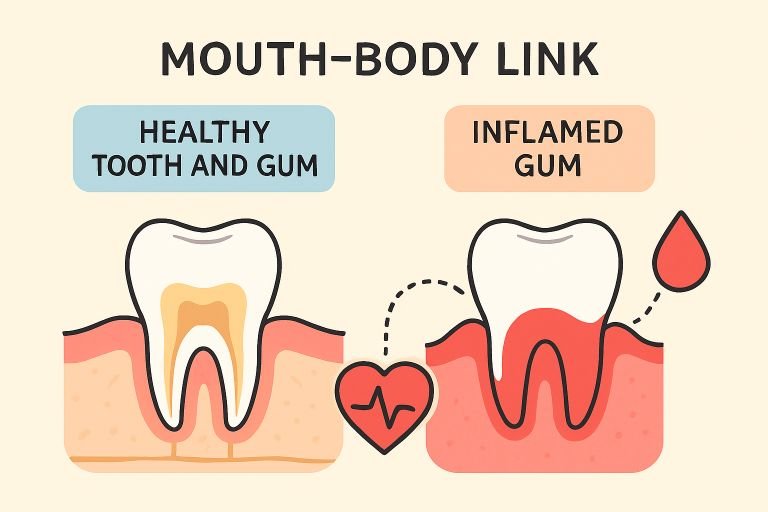
Holistic dentistry views gum disease through the lens of its broader health impacts. Inflammation in the gums not only leads to tooth loss but may also contribute to chronic illnesses such as heart disease, diabetes, and even cognitive decline. By recognizing the complex mouth-body connection, individuals can take proactive steps to support gum health and, consequently, their long-term wellness.
Recent research provides compelling evidence for this mouth-body link. According to findings published by Harvard Health, individuals with advanced gum disease who followed a pro-inflammatory diet exhibited greater systemic inflammation, as measured by high C-reactive protein (CRP) markers. These insights underscore the intimate connection between diet and lifestyle factors and both oral and systemic health outcomes.
Adopting holistic approaches not only protects teeth and gums but also bolsters the entire immune system, reducing the risk of a cascade of chronic diseases triggered by persistent inflammation. This reflects why more dental professionals and knowledgeable patients now seek out biological and holistic practitioners for preventive and therapeutic dental care models.
The Mouth-Body Connection
Understanding gum disease requires a broader perspective than simply considering what’s visible in the mouth. Scientific consensus is mounting: the oral cavity acts as a gateway, and what happens in the gums can have a ripple effect throughout the body. Chronic infections and inflammation in gum tissues are now recognized as contributors to systemic conditions. Research cited by Harvard Health strongly links periodontitis—the advanced form of gum disease—to heightened risks of cardiovascular disease, stroke, and complications in diabetes management.
This mouth-body connection emphasizes that maintaining gum health isn’t just a cosmetic or localized concern—it’s a vital step in supporting whole-body health and preventing inflammatory processes that can damage the heart and blood vessels, compromise immunity, and accelerate aging and cellular breakdown.
Holistic Approaches to Gum Disease
Holistic dentistry insists on treating root causes rather than merely masking symptoms. This means using biocompatible, non-toxic materials and remedies and seeking to harness and stimulate the body’s natural healing capacity. Among the most effective holistic therapies for gum disease are:
- Non-Toxic Treatments: Incorporating herbal mouth rinses, essential oils such as tea tree or clove, and anti-inflammatory supplements to soothe and protect gum tissues.
- Ozone Therapy: The application of medical-grade ozone is emerging as a safe and effective way to disinfect gum pockets and jump-start healing, with notable reductions in bacterial load.
- Laser Treatments: Advanced lasers are used to gently and precisely remove diseased tissue, reduce inflammation, and promote rapid regeneration of healthy gum tissue—all with minimal discomfort and downtime compared to conventional surgery.
These natural therapies aim to work in harmony with the patient’s biology, minimizing reliance on synthetic chemicals and pharmaceuticals, and helping to reduce the risk of side effects or toxin accumulation.
Nutrition’s Role in Gum Health
A balanced, nutritious diet is one of the most potent tools for supporting gum and overall oral health. Deficiencies in essential micronutrients—such as vitamin C, vitamin D, omega-3 fatty acids, and calcium—can compromise the integrity of gum tissue, impair immune function, and provide an opening for infection and disease. Rich sources of anti-inflammatory nutrients include leafy greens, berries, wild-caught fish, nuts, and seeds.
- Vitamin C: Supports collagen synthesis and accelerates tissue repair—critical for healing gums and preventing bleeding or recession.
- Omega-3 Fatty Acids: Promote healthy immune responses, calm inflammation, and may reduce the progression of gum disease, as described by NIH sources on dietary fats and periodontal health.
- Calcium and vitamins fortify the underlying bone and support the structures that anchor teeth, preventing tooth loss and jawbone deterioration.
Limiting the intake of sugars and processed foods is also fundamental, as these feed harmful oral bacteria and accelerate inflammation and decay. Healthy hydration further supports saliva production, which is essential for maintaining a balanced oral environment and washing away pathogens that contribute to gum disease.
Lifestyle Factors and Stress Management
Modern stressors, poor sleep, and sedentary living can suppress the immune system and potentiate inflammatory responses, including those that attack gum tissues. Managing chronic stress through mindful practices, such as meditation, yoga, or regular physical activity, can make a measurable difference in oral health. Supporting the body’s resilience through restful sleep, regular movement, and social connection helps reinforce the natural defenses against gum infections and disease progression.
Avoiding tobacco and moderating alcohol intake are also crucial preventive measures. Tobacco use is closely linked with gum disease development and impedes healing. At the same time, excessive alcohol can dry out the mouth and erode protective oral linings, increasing susceptibility to bacterial invasion and inflammation.
Integrating Holistic Practices into Daily Routine
A truly holistic oral care regimen involves more than daily brushing and flossing. Consider incorporating practices such as oil pulling, using pure coconut or sesame oil, to reduce oral bacteria and naturally freshen your breath. Probiotic supplements, specifically designed for oral health, can help support a diverse and protective oral microbiome, thereby strengthening the natural balance of good bacteria.
- Oil Pulling: An ancient Ayurvedic technique where swishing oil in the mouth for several minutes helps draw out toxins and decrease harmful bacteria.
- Probiotics for Oral Health: Maintaining beneficial bacteria can help combat the bad bacteria linked with gum disease.
- Holistic Dental Visits: Regular check-ups with a holistic dentist ensure that your oral health is managed in context with your overall health, prioritizing gentle, whole-body approaches.
Conclusion
Approaching gum disease from a holistic health perspective fundamentally changes how we view and manage oral problems. By embracing natural therapies, balanced nutrition, stress relief, and mindful lifestyle habits, you can protect both your gums and your overall well-being. These steps not only help prevent and manage gum disease but also foster lifelong health, illustrating that a holistic, biological approach can offer powerful, lasting benefits beyond the dental chair.