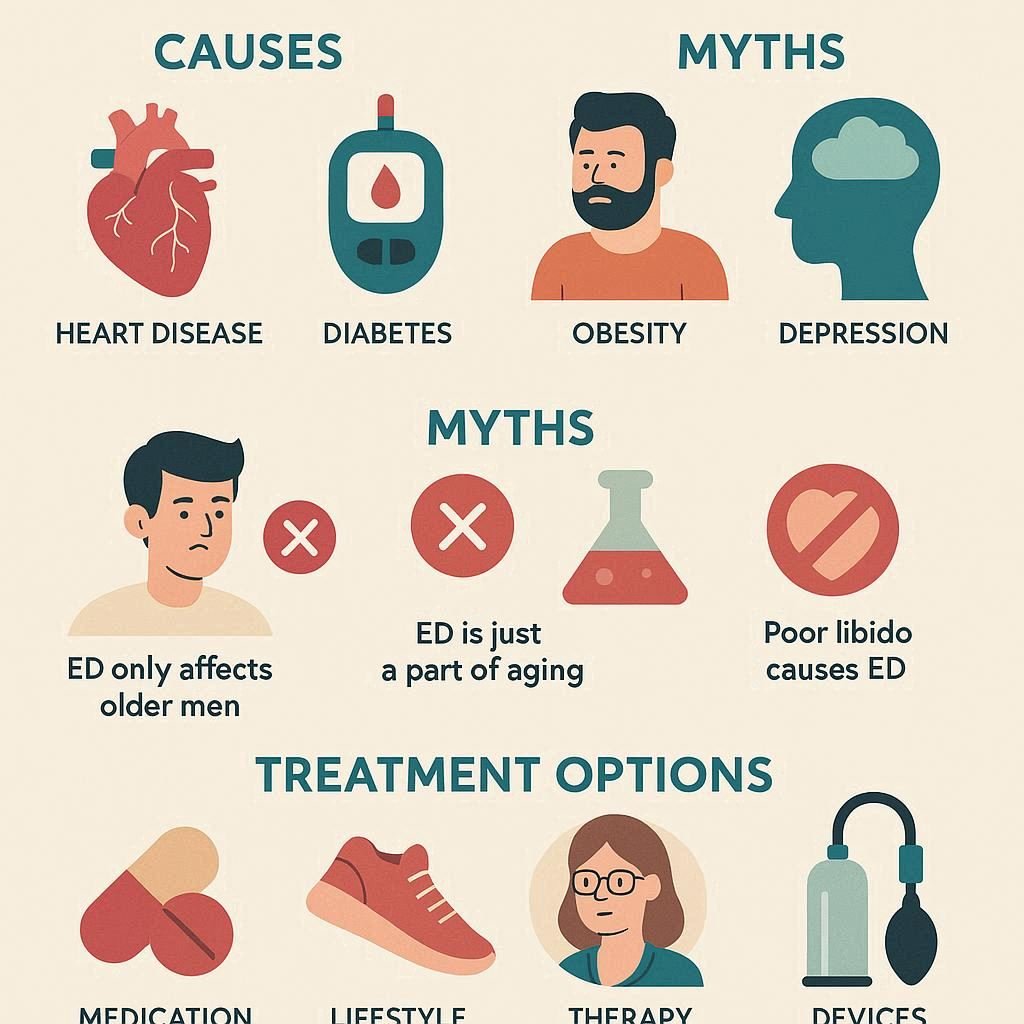
Erectile dysfunction is a widespread but misinterpreted disorder that afflicts millions of men across the globe. Although it is common, a lot of men are not comfortable with the topic, which causes late diagnosis and the needless stress. Erectile dysfunction is not merely an aging or temporary issue; it is a medical condition which may be caused by a mix of physical and psychological causes.
Erectile dysfunction is a critical issue that needs to be understood in order to break the stigma. Having the right information, men will be able to detect symptoms in the initial stages, investigate the effective solutions, and be proactive about their health. This paper will give an in-depth review of erectile dysfunction, its causes, myths surrounding it, and the available treatment methods and motivate men to seek professional assistance without shame.
What Is Erectile Dysfunction?
Erectile dysfunction can be described as the persistent failure to gain or maintain an erection that is adequate to perform satisfactorily during sex. Sometimes it is normal and can occur because of stress or exhaustion, but when it becomes chronic, then it is possible that it can be caused by a health problem.
The stimulation of achieving an erection is a complex activity of the brain, hormones, nerves, blood vessels, and muscles. Erectile dysfunction may be experienced when any of these systems is interrupted. This emphasizes the need to treat the condition as a health problem and not a weakness.
Men are susceptible to erectile dysfunction at any age but with age, it becomes more prevalent. Nevertheless, it is not a necessary aspect of aging and most people respond to effective treatments.
Physiological Erectile Dysfunction Causes
In most cases of erectile dysfunction, physical factors are also important. These are frequently connected to ailments affecting blood circulation, nerve activity, or hormones.
One of the most common physiological causes is poor blood circulation. Such conditions like atherosclerosis, when blood vessels become narrowed or blocked, may restrict the flow of blood to the penis, making it hard to get an erection. This is closely related to cardiovascular diseases and high blood pressure.
Another significant cause is diabetes. Temporarily high blood sugar may harm the blood vessels and nerves and disrupt the process of producing and maintaining an erection in the body. Equally, metabolic disorders and obesity may predispose one to erectile dysfunction.
Sexual functioning can also be impacted by hormonal imbalances, especially low testosterone. Testosterone is important in libido and erectile performance, and low levels can result in loss of sexual desire and inability to attain erections.
Nerve signals can be impaired in the body and brain by neurological disorders, including Parkinson disease or multiple sclerosis. Damage to the spinal cord or pelvic area can also affect the erectile function.
There are also lifestyle triggers, such as smoking, alcohol abuse, and physical inactivity, which also lead to development of erectile dysfunction. These practices have the potential to harm blood vessels and diminish overall health and raise the chances of having symptoms.
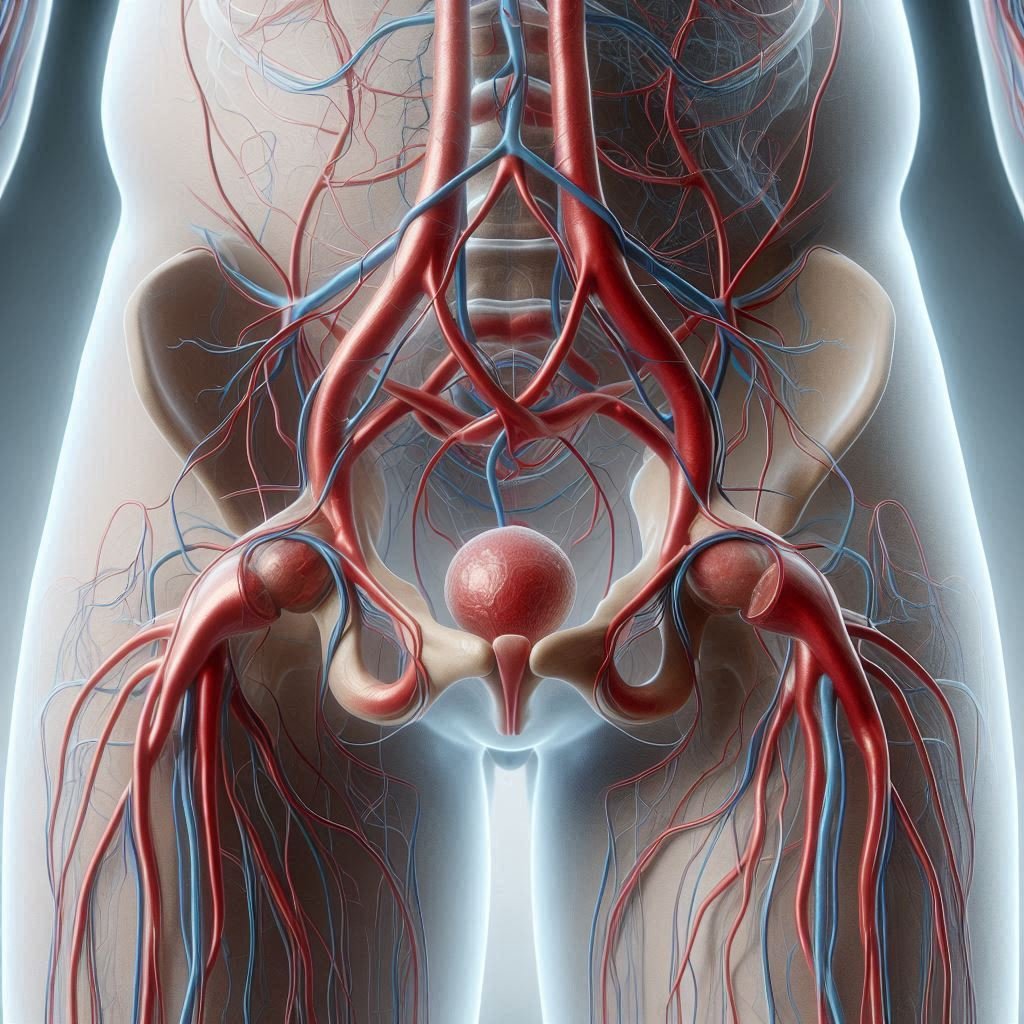
“blood flow problems that cause erectile dysfunction in the reproductive system of men”
Psychological Erectile Dysfunction Causes
Although physical causes are typical, psychological ones are also instrumental in comprehending erectile dysfunction. The mind is a very important part of sexual arousal and performance and emotional or mental issues may disrupt this process.
One of the major psychological factors is stress. Sexual attention may be diverted by work pressure, monetary issues or family obligations. Hormone levels may also be impacted by chronic stress which further complicates the problem.
Anxiety and especially performance anxiety may be a cycle of worrying and struggling. The fear of failure might keep one not to relax and thus find it difficult to get an erection. This may cause recurrence of erection issues, which may strengthen the anxiety
Another factor is depression. It may decrease the desire to engage in activities such as sexual activity and also the capacity of the brain to process pleasure. Some drugs used to treat depression are also responsible to erectile dysfunction.
Emotional intimacy and sexual performance may be influenced by relationship problems, including a lack of communication or unresolved conflicts. These underlying concerns are critical issues that need to be addressed to enhance overall well-being.
Myths About Erectile Dysfunction
There is a lot of misconception about erectile dysfunction which usually makes men avoid seeking help. Such myths may cause undue fear and misunderstanding and it is well to deal with them in a straightforward manner.
A media myth is that only older men have erectile dysfunction. Although age may contribute to the risk, younger men may have the condition as a result of stress, lifestyle, or underlying health challenges
The other myth is that erectile dysfunction is all psychological. Whereas mental health is also a factor, in most instances, there are physical causes of mental conditions that are subject to medical attention.
Others will have the perception that erectile dysfunction is an incurable disease. The reality is that many forms of treatment exist and many men can be greatly improved with proper treatment.
It is also believed that asking someone to assist is a weakness. This stigma makes men reluctant to talk about their symptoms, despite the fact that erectile dysfunction is a health issue which can be treated.
Diagnosis and When to Seek Help
Understanding when to consult a doctor is one important aspect in treating erectile dysfunction. Recurrent symptoms, particularly those ones which last several weeks or months, cannot be overlooked.
A comprehensive medical history and physical examination are usually the starting point of healthcare professionals. They can inquire about lifestyle practices, current health issues, and mood. Diagnostic tools, such as blood tests, can be employed to determine underlying causes.
Early diagnosis will yield better treatment and can also ensure that other health related issues like cardiovascular disease or diabetes that may be associated with erectile dysfunction are detected.
Erectile Dysfunction: Treatment
The management of erectile dysfunction is based on the cause of the dysfunction and can be as such a combination of the approaches. The idea is to tackle both physical and psychological aspects with the aim of producing the most optimal results.
Medical Interventions to Erectile Dysfunction
Erectile dysfunction is based on the cause and can be treated using a combination of methods. It is aimed at working on both physical and psychological aspects in order to attain the most optimal results.
Lifestyle Modifications
The initial measure of treating erectile dysfunction is usually the enhancement of lifestyle practices. Regular exercise is capable of improving blood flow and heart rate. A well-balanced diet helps in the production of hormones and decreases the chances of developing chronic diseases.
Avoiding alcohol and giving up smoking can help a great deal in enhancing erectile activity. Lifestyle modification also includes maintaining a healthy weight and stress management.
Medical Therapies
Drugs are typically used to treat erectile dysfunction. These medications act by making the penis more active in blood circulation, which helps to achieve and sustain an erection. When applied under supervision of a medical expert, they are usually effective.
In other instances, hormone therapy can be prescribed to correct low levels of testosterone levels. Depending on the severity of the condition, other medical alternatives are vacuum devices, injections or even surgical procedures.
Psychological Support
Counseling or therapy can be very useful to men whose erectile dysfunction is associated with psychological factors. Anxiety, stress, and relationship problems can be resolved with the help of cognitive-behavioral therapy (CBT) and other types of counseling.
The emotional connection and the lack of pressure in terms of performance can also be enhanced with the help of open communication with a partner, which will help achieve better results.
Natural Remedies
There are men who delve into natural methods of assisting their treatment. Exercise, meditation, and sleep can be used to positively affect erectile performance.
Although some supplements are available to treat erectile dysfunction, one should seek medical help prior to taking them, to be safe and effective.

“healthy lifestyle habits to help in controlling erectile dysfunction”
Stigma-Busting Erectile Dysfunction
The stigma surrounding erectile dysfunction is one of the largest obstacles to finding solutions to the problem. Most men are ashamed or embarrassed and they are not able to seek help.
It is imperative to change this mentality. Erectile dysfunction is a disease and not a sign of masculinity or individual value. The discussion and awareness can be made open and make the topic normalized, which will motivate men to act.
With the help of healthcare providers, a supportive environment can be established, where patients can feel free to talk about their issues. Stigma can also be minimized in terms of education and awareness campaigns.
The Importance of Early Intervention
Early intervention can play a crucial role in the treatment of erectile dysfunction. It is possible to address the condition as soon as possible in order to avoid it becoming worse and mitigate the consequences on emotional and relational health.
Erectile dysfunction in most instances is a precursor to other health complications, especially cardiovascular complications. Sexual health is not just enhanced but general health and longevity boosted through seeking help.
Proactive action, including switching to healthier living and seeing a medical practitioner, can result in better life and outcomes.
Conclusion
Erectile dysfunction is a multifaceted process, which is affected by physical and psychological factors. The causes, the myths that should be disproved and the treatment options available are all the necessary steps that should be taken in order to manage it properly.
Armed with the appropriate knowledge and assistance, men will be able to surmount the difficulties brought about by erectile dysfunction and restore their trust in their health. All lifestyle modifications, medical interventions, and psychological interventions are significant towards success.
Above all, men are supposed to be given the confidence to seek professional help without embarrassment. It is not just a healthy move towards the well being of individuals but also a part of a bigger culture of awareness and acceptance to confront erectile dysfunction.