An engine rattling noise is one of the most common and worrying sounds a car owner can experience. While some rattles may be minor, others can signal serious mechanical issues. The sound often occurs during acceleration, idling, or when the engine starts. Ignoring these noises can lead to expensive repairs or even complete engine failure. Understanding the causes and knowing how to fix them can help you maintain your vehicle’s performance and longevity.
Common Causes of Engine Rattling Noise
a. Loose Components:
Loose bolts, heat shields, or exhaust parts can vibrate, causing a metallic rattling sound. This is especially common in older vehicles or after extensive driving.
b. Low Engine Oil:
If your engine oil is too low, moving parts won’t be properly lubricated, creating friction that leads to rattling or knocking sounds.
c. Faulty Timing Chain:
A worn or stretched timing chain can produce a distinct rattling noise, especially when the engine starts. If ignored, it could lead to serious engine damage.
d. Damaged Catalytic Converter:
A failing catalytic converter may break apart internally, causing a metallic rattle underneath your vehicle, particularly during acceleration.
e. Piston or Valve Problems:
If the rattling noise is coming from deep within the engine, it could indicate worn pistons, rods, or valves — issues that require professional diagnosis and repair.
How to Diagnose the Problem?
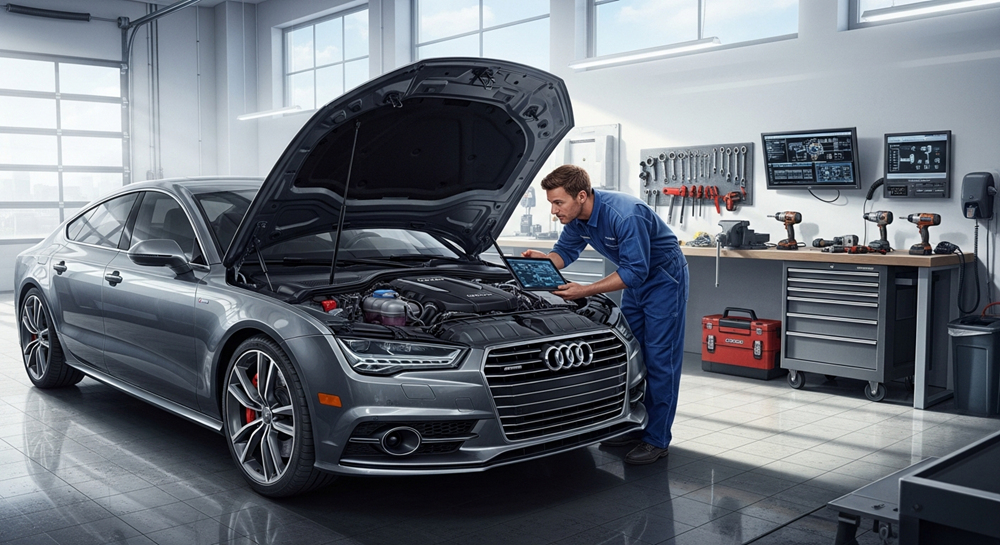
Start by identifying when the rattling occurs — at idle, during acceleration, or only when the car is cold. Open the hood and listen closely. If the sound comes from the engine bay, it might be a timing chain or valve issue. If it’s underneath, it could be related to the exhaust or catalytic converter. Checking the oil level and using an OBD-II scanner for fault codes can also help you pinpoint the issue.
Effective Fixes for Rattling Sounds
- Tighten Loose Parts: Check and secure loose bolts, heat shields, and brackets.
- Change Engine Oil: Refill or replace oil if levels are low or if it’s dirty.
- Replace Faulty Components: Replace damaged timing chains, exhaust parts, or catalytic converters as needed.
- Professional Inspection: For internal engine rattles, seek help from a certified mechanic to avoid further damage.
Prevention Tips
- Perform regular oil changes as per manufacturer recommendations.
- Use high-quality fuel and lubricants.
- Inspect your exhaust system periodically.
- Address minor rattles early before they become major issues.
- Follow your car’s maintenance schedule to prevent wear and tear.
FAQs
Q1: Is it safe to drive with a rattling engine?
A: It depends on the cause. Minor rattles might be harmless, but internal engine noises could indicate serious damage. Always have it checked promptly.
Q2: Why does my car rattle only when accelerating?
A: This could be due to exhaust system issues, loose heat shields, or engine knocking caused by poor fuel quality.
Q3: Can low oil cause a rattling sound?
A: Yes. Insufficient lubrication leads to metal-on-metal contact, resulting in rattling or knocking noises.
Q4: How much does it cost to fix engine rattling?
A: Costs vary — simple fixes like tightening bolts may be free, while major repairs (like timing chain replacement) can cost several hundred dollars.