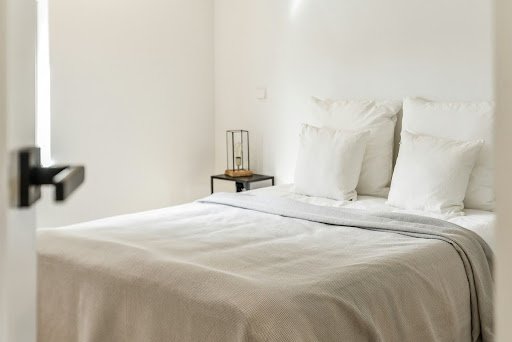
As cities expand and housing demand continues to rise, people are beginning to rethink what “home” really means. Instead of relying solely on new construction, many are discovering the value of transforming existing structures into beautiful, functional living spaces. This approach, known as repurposed housing, is quickly becoming a practical and creative solution for modern living.
From unused warehouses to aging mobile homes and vacant commercial properties, repurposing allows these spaces to be reimagined into something meaningful. It’s not just about saving money—it’s about making smarter, more sustainable choices for the future.
What Makes Repurposed Housing So Appealing?
Repurposed housing stands out because it combines practicality with creativity. Rather than starting from scratch, homeowners and developers use existing structures as a foundation and adapt them to meet modern needs.
This approach reduces construction time and often lowers overall costs. More importantly, it allows for unique designs that reflect personality and innovation. No two repurposed homes are exactly the same, which adds to their charm.
For many people, it’s also about making better use of available resources. Instead of letting buildings sit empty or deteriorate, repurposing gives them a second life.
A Smart Solution for Modern Housing Challenges
Housing shortages and rising costs are major concerns in many parts of the world. Traditional construction can be expensive and time-consuming, making it difficult for many people to afford new homes.
Repurposed housing offers an alternative. By working with existing structures, homeowners can bypass some of the high costs associated with new builds. This makes it an attractive option for first-time buyers, investors, and those looking to downsize.
In urban areas, where space is limited, repurposing unused buildings provides a practical way to increase housing availability without expanding city boundaries.
Sustainability at the Core
One of the biggest advantages of repurposed housing is its positive impact on the environment. Construction waste is a significant issue globally, with large amounts of materials ending up in landfills.
Repurposing helps reduce this waste by reusing existing materials and structures. This not only conserves resources but also reduces the need for new raw materials.
Energy efficiency can also be improved during the conversion process. Upgrading insulation, installing modern windows, and incorporating renewable energy solutions can make repurposed homes more sustainable in the long run.
For environmentally conscious homeowners, this approach aligns with the goal of reducing their carbon footprint while still enjoying a comfortable living space.
Creative Possibilities Are Endless
One of the most exciting aspects of repurposed housing is the range of possibilities it offers.
Old barns can be transformed into warm, rustic homes that blend traditional charm with modern comfort. Warehouses can become stylish loft apartments with open layouts and industrial aesthetics. Even shipping containers can be converted into compact, efficient living spaces.Commercial properties, such as offices and retail stores, are also being repurposed into residential units. This is especially useful in areas where demand for housing is high but commercial spaces are underutilised.
Each project presents its own set of opportunities, allowing homeowners to create something truly unique.
Challenges to Consider
While repurposed housing offers many benefits, it is not without its challenges. One of the main considerations is the condition of the existing structure. Not all buildings are suitable for conversion, and some may require significant repairs.
Meeting building codes and regulations is another important factor. Depending on the location and type of structure, there may be specific requirements that need to be addressed.
Design limitations can also come into play. Working within the framework of an existing building may require creative problem-solving to achieve the desired layout.Despite these challenges, careful planning and professional guidance can help ensure a successful project.
Steps to Get Started with RepurposingIf you’re considering repurposed housing, the first step is to identify a suitable property. Look for structures with strong foundations and potential for transformation.
Next, conduct a detailed assessment. This includes evaluating structural integrity, utilities, and any necessary upgrades.Working with experienced architects and contractors is highly recommended. They can help navigate design challenges and ensure compliance with local regulations.Planning the layout is another crucial step. Think about how you want to use the space and how to maximise functionality.
Finally, focus on incorporating sustainable features. Energy-efficient systems and eco-friendly materials can enhance both comfort and long-term value.
Why More People Are Embracing This Approach
Repurposed housing is gaining popularity because it offers a balance between affordability, sustainability, and creativity. It allows people to think outside the box and create homes that are both functional and meaningful.
For some, it’s about reducing environmental impact. For others, it’s about achieving homeownership in a more affordable way. And for many, it’s simply about creating a space that feels unique and personal.
As awareness continues to grow, more individuals and communities are exploring this innovative approach to housing.
The Role of repurposehousing.com
For anyone interested in exploring this concept further, repurposehousing.com serves as a valuable resource. It highlights the potential of transforming existing structures into livable spaces and provides insights into the process.
Having access to reliable information can make a significant difference, especially for those new to repurposed housing. From understanding the basics to exploring creative ideas, the right guidance can help turn a vision into reality.
Looking AheadThe future of housing is evolving, and repurposing is set to play a major role in that transformation. As cities become more crowded and environmental concerns grow, the need for sustainable and efficient housing solutions will continue to increase.
Innovations in design and technology are making it easier to convert existing structures into modern homes. Governments and organisations are also beginning to recognise the benefits, which may lead to more support and incentives for repurposing projects.This shift represents a move toward smarter, more responsible living.
Final Thoughts
Repurposed housing is more than just a trend—it’s a forward-thinking approach to modern living. By turning old or unused spaces into functional homes, individuals can reduce costs, minimise waste, and create something truly unique.
While the process requires planning and creativity, the rewards are well worth the effort. From environmental benefits to design flexibility, repurposed housing offers a compelling alternative to traditional construction.
As more people embrace this concept, it has the potential to reshape the way we think about housing—making it more sustainable, accessible, and inspiring for generations to come.